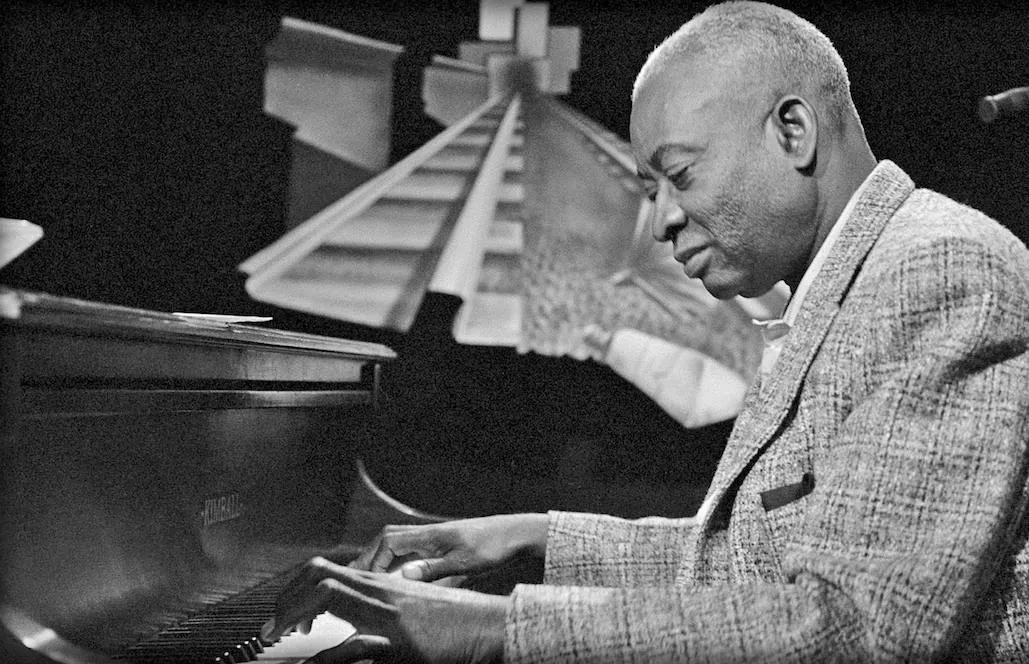
Black Gospel Music, is a uniquely American style of religious song, which can trace its roots to African American spirituals, and early blues and jazz. Gospel lyrics resemble evangelism or sermonizing. Gospel music is church music. But it has a deeper meaning than that it has a history and it also has a race background. In general Gospel music is a genre of Christian music that usually has dominant vocals. The word Gospel means good news. It spreads a message of Christianity of God, it expresses a message of good news. Gospel Music is joy and hope; it helped African American slaves to go through their daily challenges and still have hope and faith. Groups of slaves would sing together as they worked on plantations, often choosing old songs connected to their faith.
For some, this was little more than a way to feel closer to God during hardship. For others, the communal songs and harmonies would create bonds between workers. There was also the use of song as a means of covert communication. The music was born from the traditional hymns and spiritual songs the Africans sang during the slave era. These spirituals were songs of hope sung by the enslaved people before freedom/emancipation. These hymns were composed in a book, and the White Americans sang them during their worship, mostly on Sundays. The singing of these hymns was audible to the enslaved people while on the plantations, and thus they modified them to a call-and-response format. An individual would sing one line of the hymn, and then the entire group would harmoniously repeat it. This gave rise to the Negros spirituals, which later influenced the development of gospel music.
Therefore, gospel music can be defined as African-American Christian music. Gospel music comprised the hymns and other songs borrowed from the oral traditions of the African-American culture. During the late 1800’s African American churches started developing this type of music. Gospel music is deeply rooted in the rich traditions of the African-American church. Music expresses emotions, suffering, hope and help people to see things from a different point of view. There’s many different type of music, and church decided to have their own music called gospel music. Music is also entertainment, church needed their own music that they could identify. Every type of music is important but gospel music has a lot of importance because is related to church but also has a background race story. Gospel music helped slaves to escape to freedom and it also helped them to see life in a different way.
It helped them to have hope and faith because gospel music is about God and his power and miracles. It is a sacred music genre that emerged in the 1920s out of a confluence of sacred hymns, spirituals, shouts, jubilee quartet songs, and Black devotional songs with noticeable blues and jazz rhythmic and harmonic influences. It is often considered the sacred root of several pop, and rock n’ roll music genres. Thomas A. Dorsey (the “Father of Gospel Music”) coined the term in Chicago in 1921. Dorsey used the term gospel song to differentiate his music from “gospel hymns,” a term often used among African American hymn writers of the early 20th century. Like African American spirituals of the 19th century, the lyrical content of gospel music is centrally important, because it addresses the worldviews, theologies, culture, and experiences of African Americans, that other races and cultures could not feel.
Song lyrical content can be devotional, testimonial, inspirational, social justice oriented, or evangelistic. It can be performed in a variety of vocal settings (i.e., choir, ensemble, solo, or duet) and usually has instrumental accompaniment. Modern-day Black artists from R&B and urban scenes can often trace their influences back to the soul singers and R&B artists of the mid-century. Some go deeper into the music of their churches and communities. This all leads back to a deep-rooted connection to gospel music.
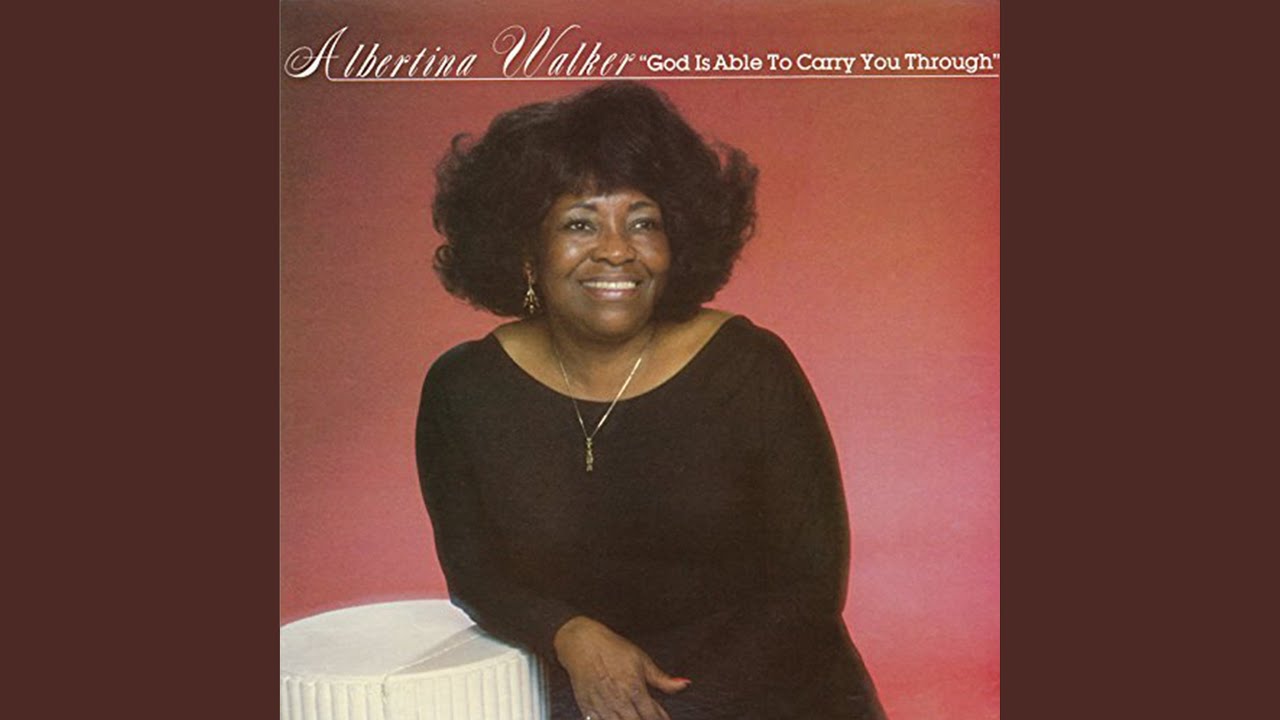
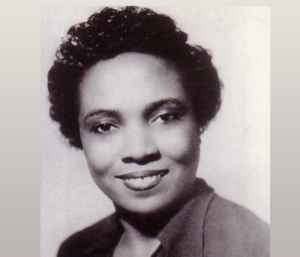
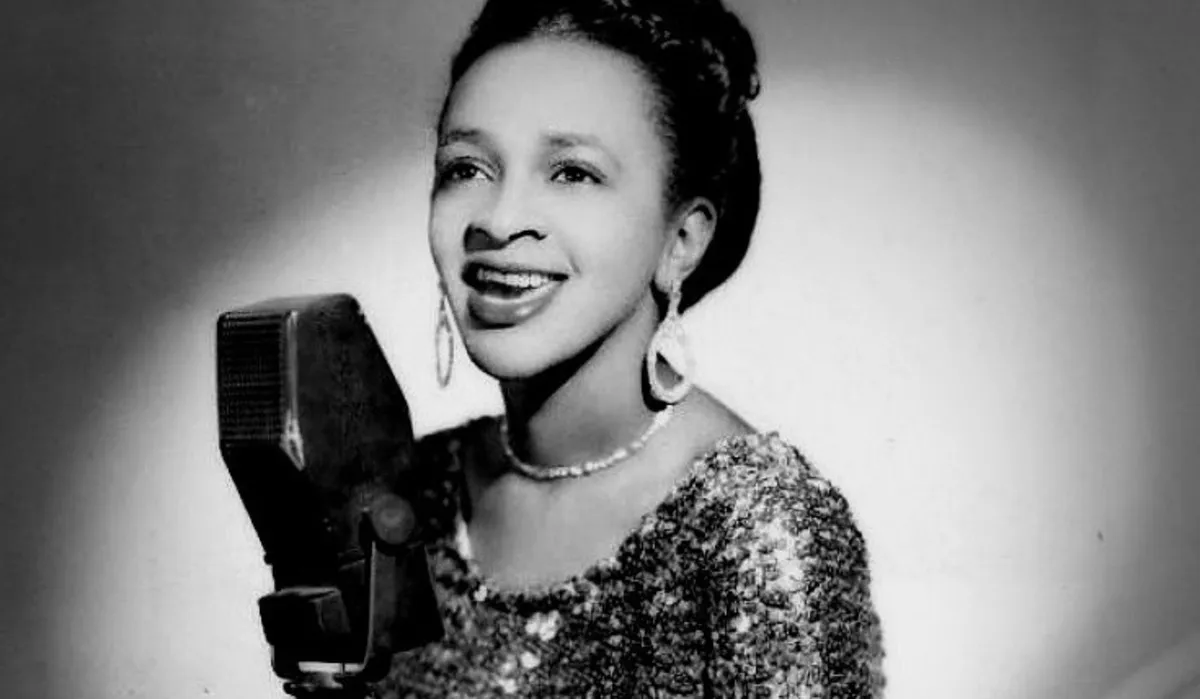
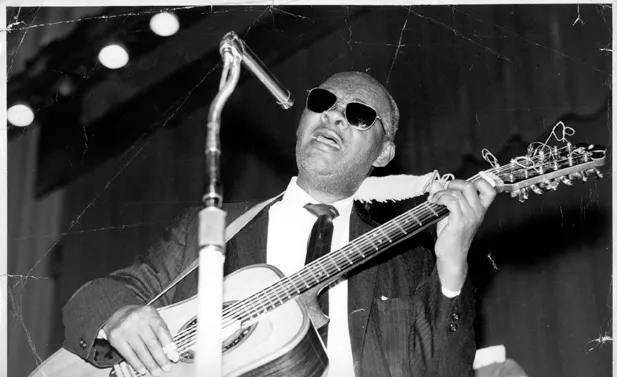
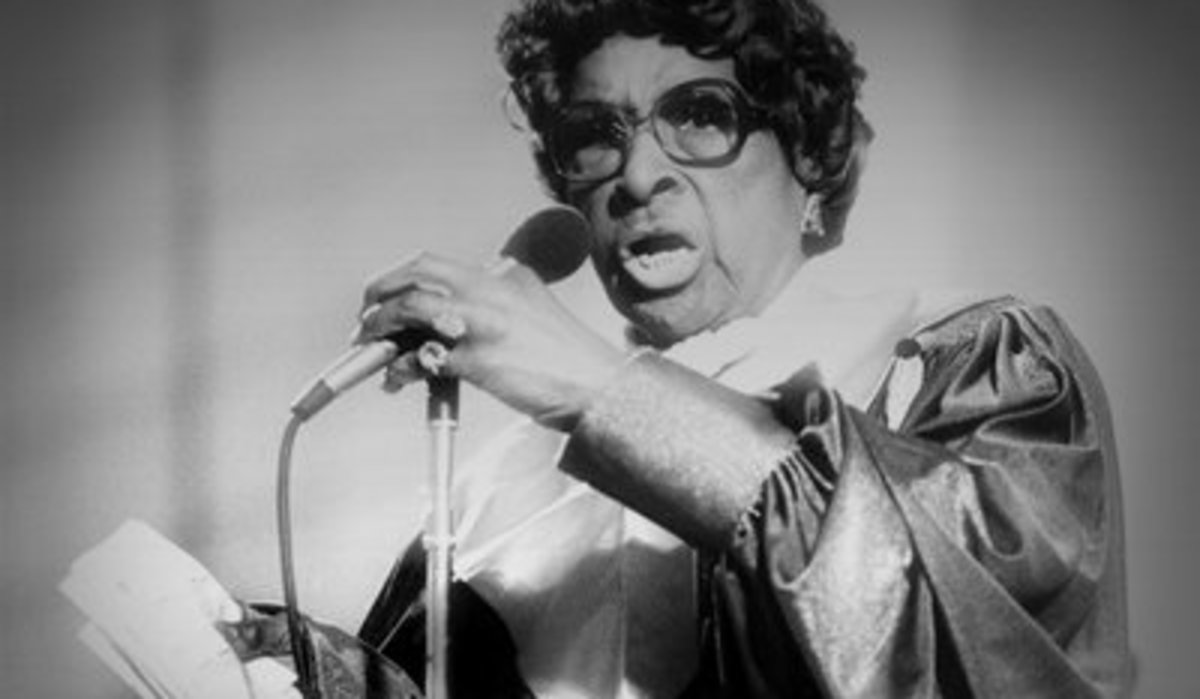
Among prominent Black gospel music composers and practitioners have been the Rev. C.A. Tindley, composer of “I’ll Overcome Someday,” which may have served as the basis for the anthem of the modern-era civil rights movement, “We Shall Overcome”, Reverend Gary Davis, a wandering preacher and guitar soloist, and Thomas A. Dorsey, the prolific and best-selling songwriter, who penned over 1,000 Gospel songs and whose works included, most notably, “Precious Lord, Take My Hand”. Important women in the Black gospel tradition have included Roberta Martin, a gospel pianist based in Chicago with a choir and a school of gospel singing, Mahalia Jackson, who toured internationally and was referred to as “The Queen of Gospel”, and Sallie Martin, nicknamed “Mama Gospel”, for popularizing the gospel sound and her influence on other artists.
Four Types of Gospel Music:
Gospel music exists in many forms throughout the world.
- Traditional Black Gospel music: Traditional Black Gospel music maintains close ties to the Black church. It makes ample use of traditional hymns like “Amazing Grace”, “(There will Be) In The Valley”, and “Precious Lord, Take My Hand.” The musical style is known for gospel choirs, rollicking instrumentalists, energetic hand-clapping, call-and-response, and ties to social causes like the Civil Rights movement.
- Urban contemporary gospel: The most popular gospel music of the present era features strong influence from hip-hop and contemporary R&B. Stars of contemporary gospel often work out of major music hubs like New York, Los Angeles, and Atlanta. They score Billboard hits thanks to a crossover sound that aligns with contemporary pop hits.
- Country gospel: Some gospel manifests as country music with Christian themes. As is true for urban contemporary gospel, some Christian country artists toggle between spiritual music and mainstream country-pop hits. Nashville, Tennessee, is a major hub for country gospel music.
- British gospel: Gospel music enjoys strong popularity within the Black community of the United Kingdom. UK gospel reflects the Caribbean and African ancestry of many Black Englanders.
- Contemporary Gospel: Contemporary gospel music features vocalists singing over electronic instrumentals or choir backing. The contemporary gospel is so popular in North America that it has had its own radio stations and television stations developed entirely for people to listen to and enjoy the music. While not unique to Black gospel music, this modernization of biblical hymns is innovative and ingenious and has been very successful in attracting younger people to the church.