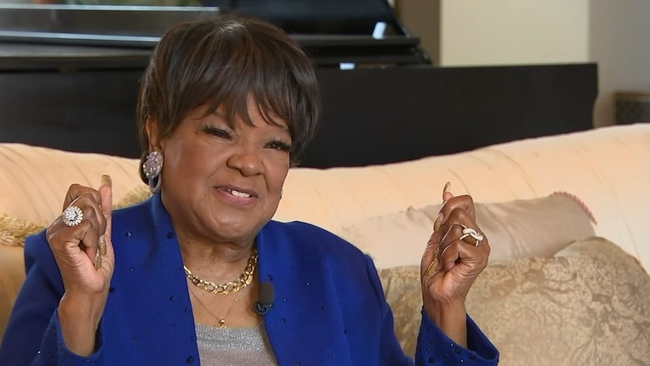
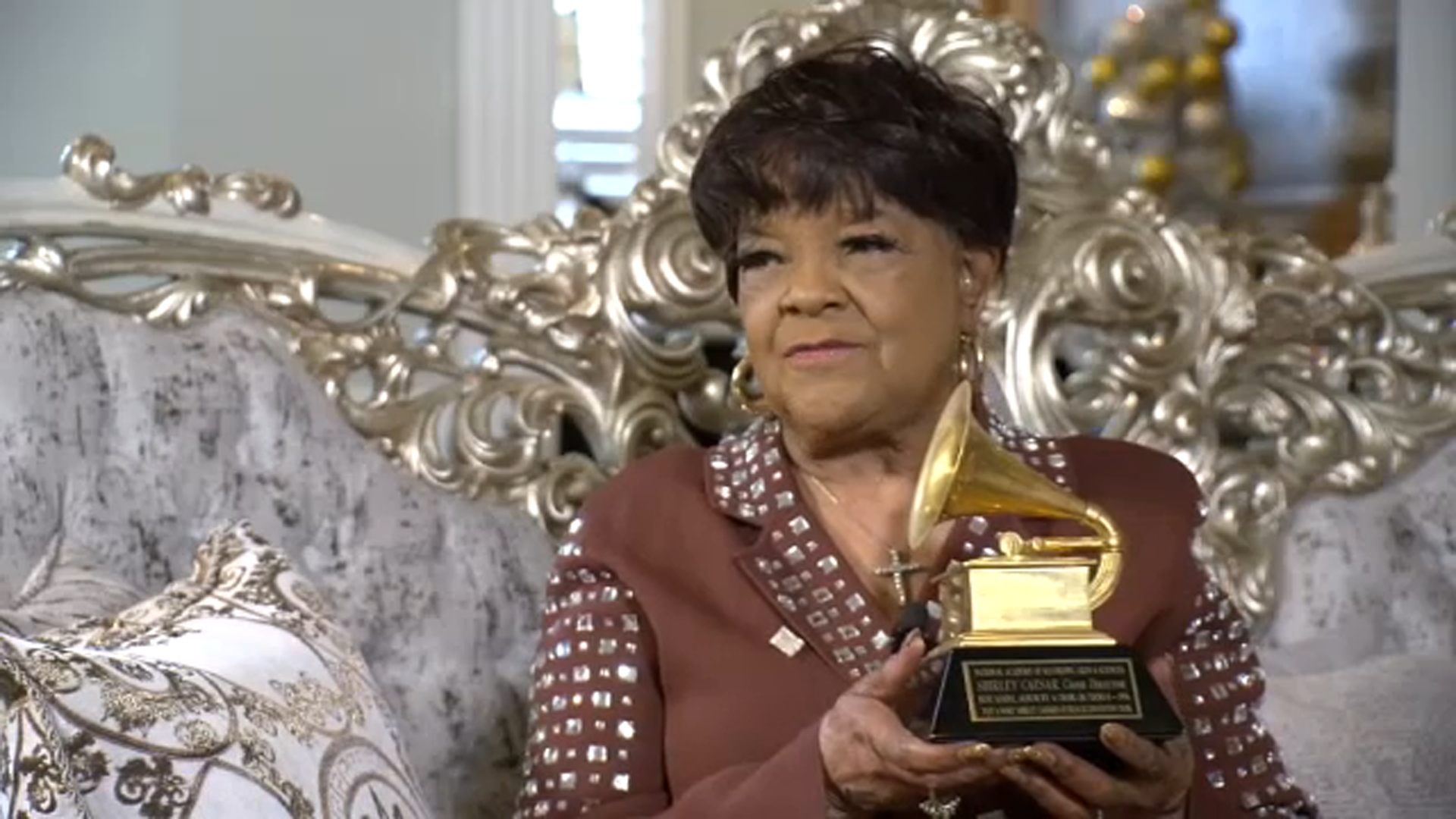
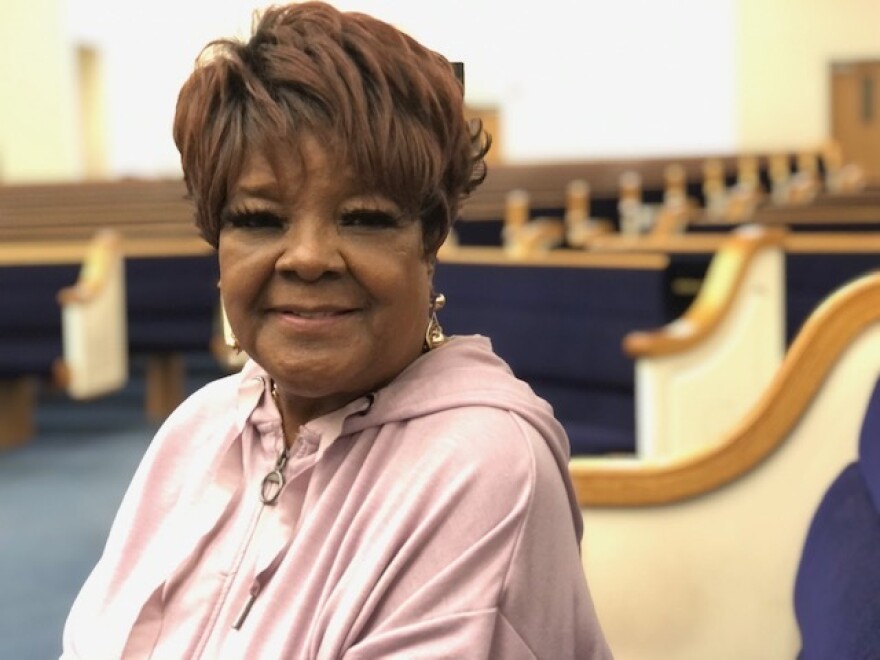
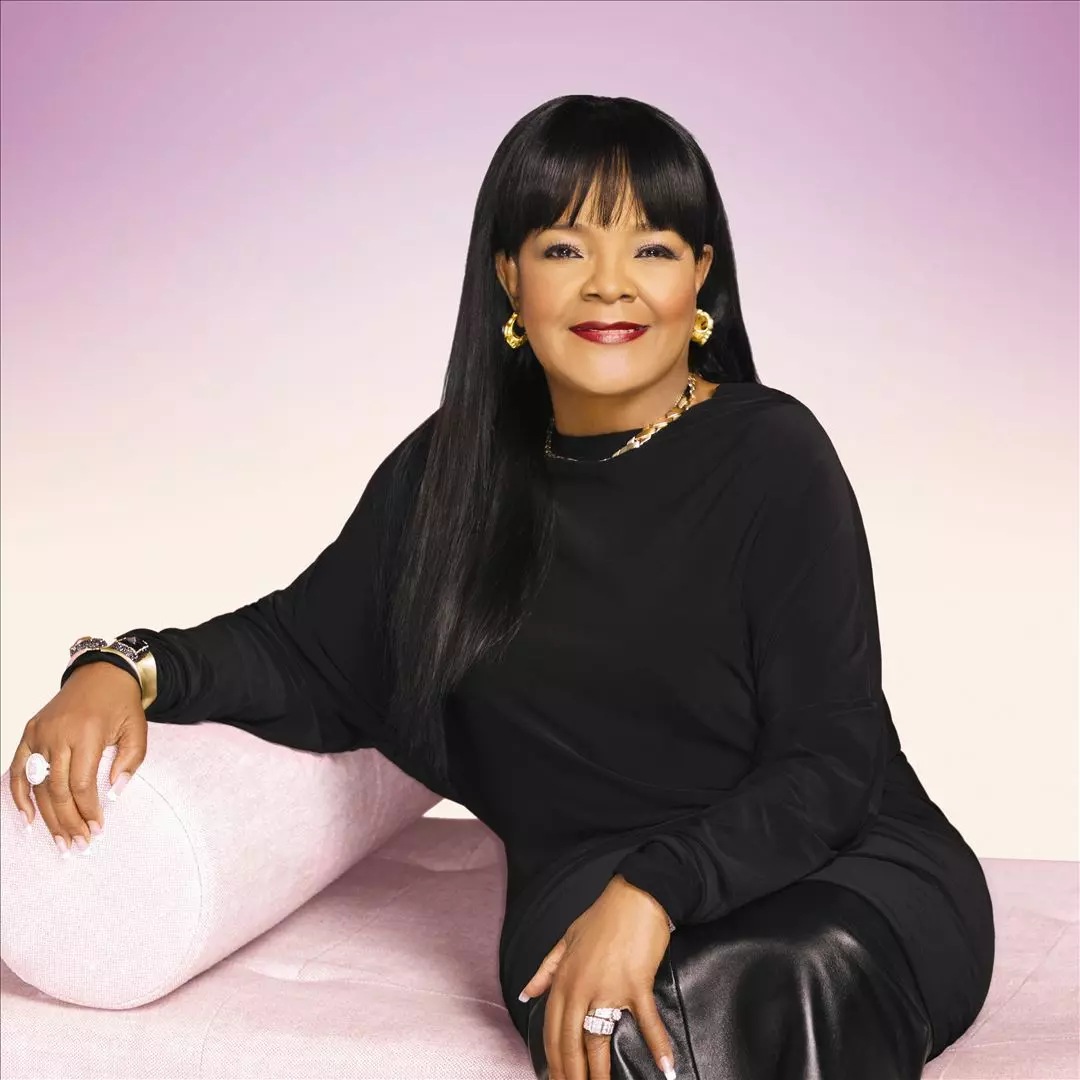
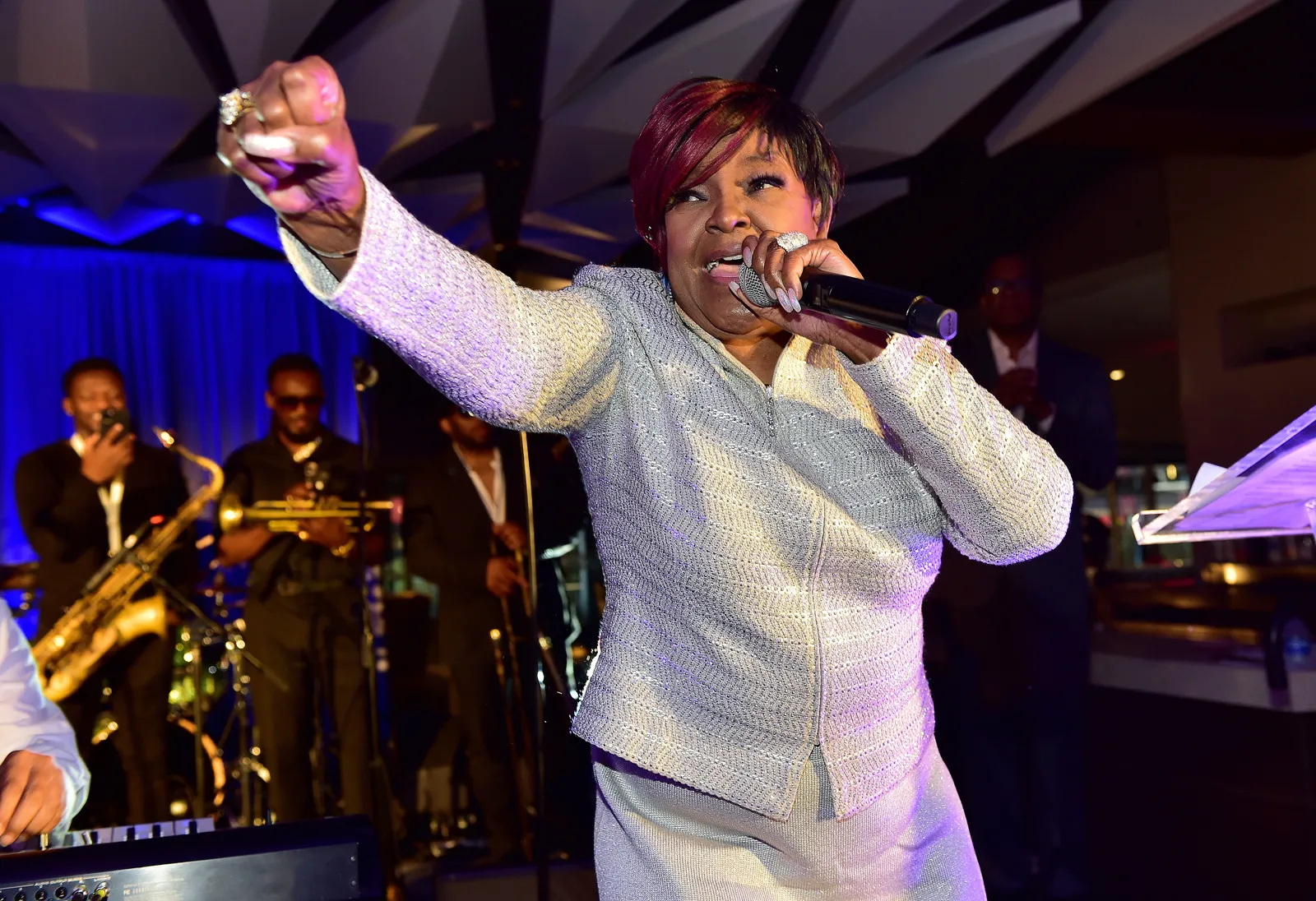
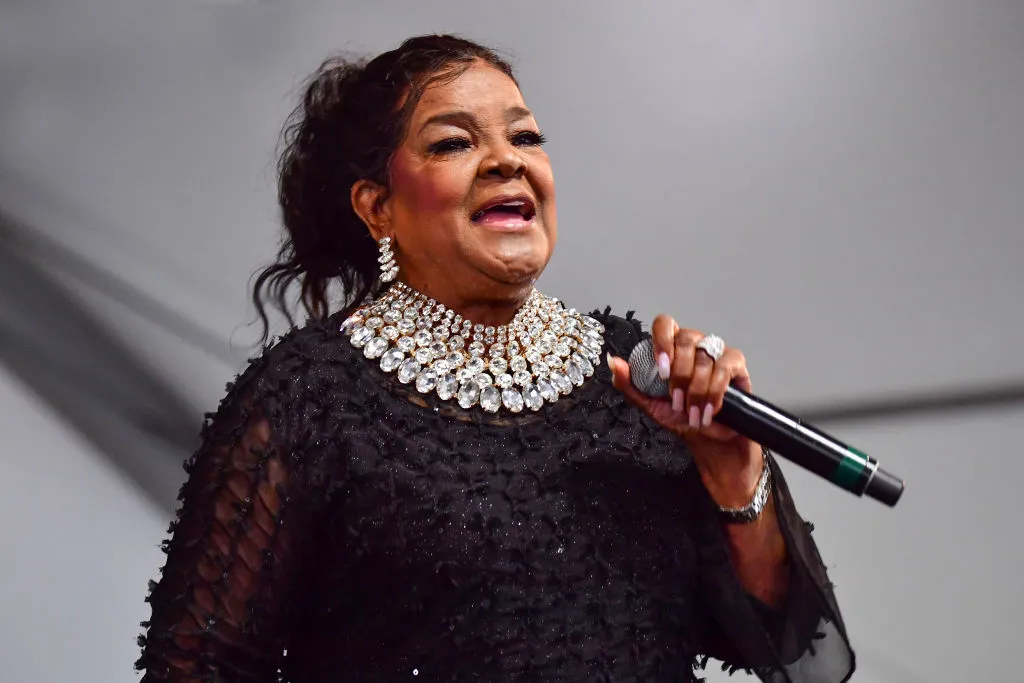
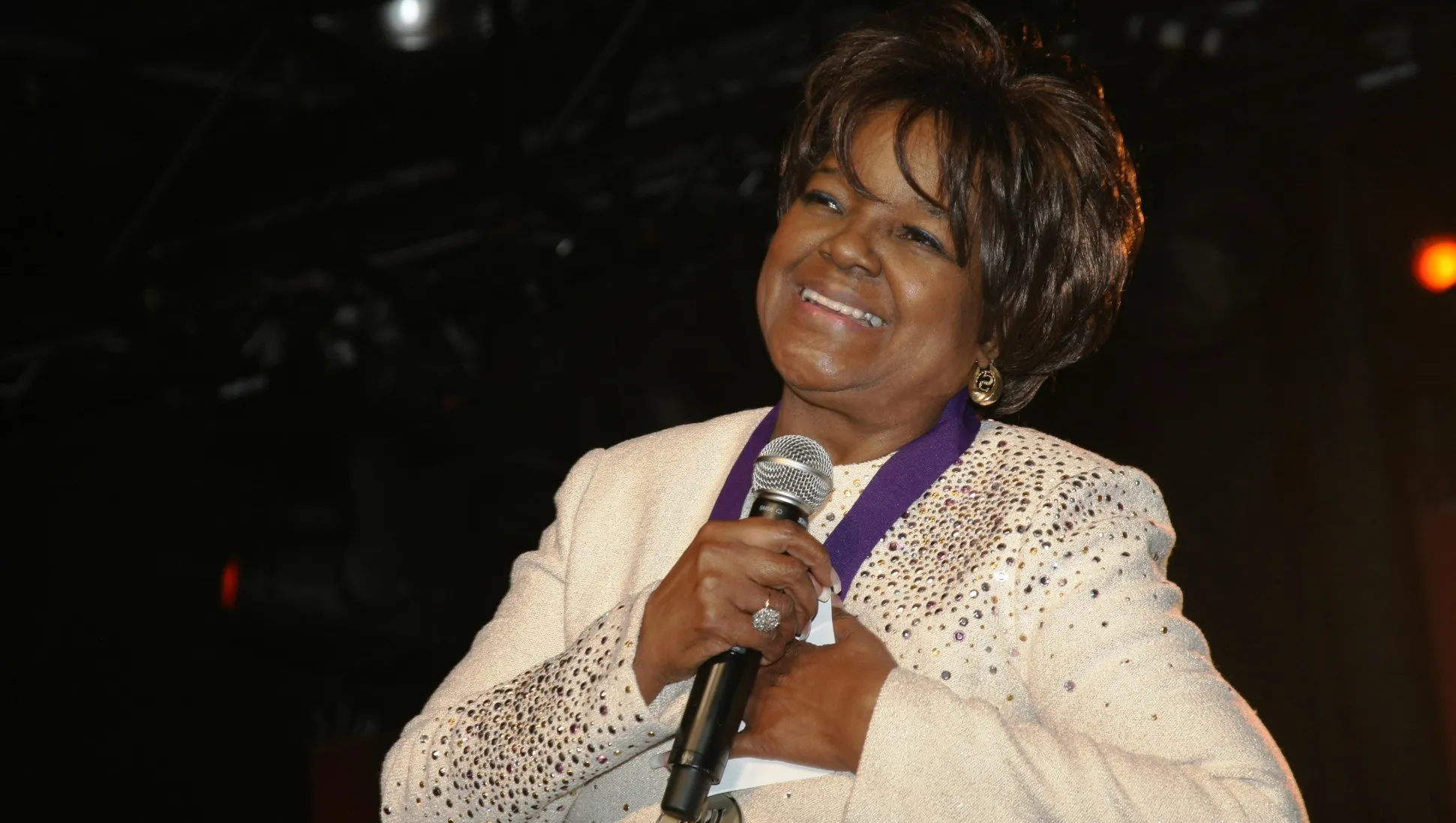
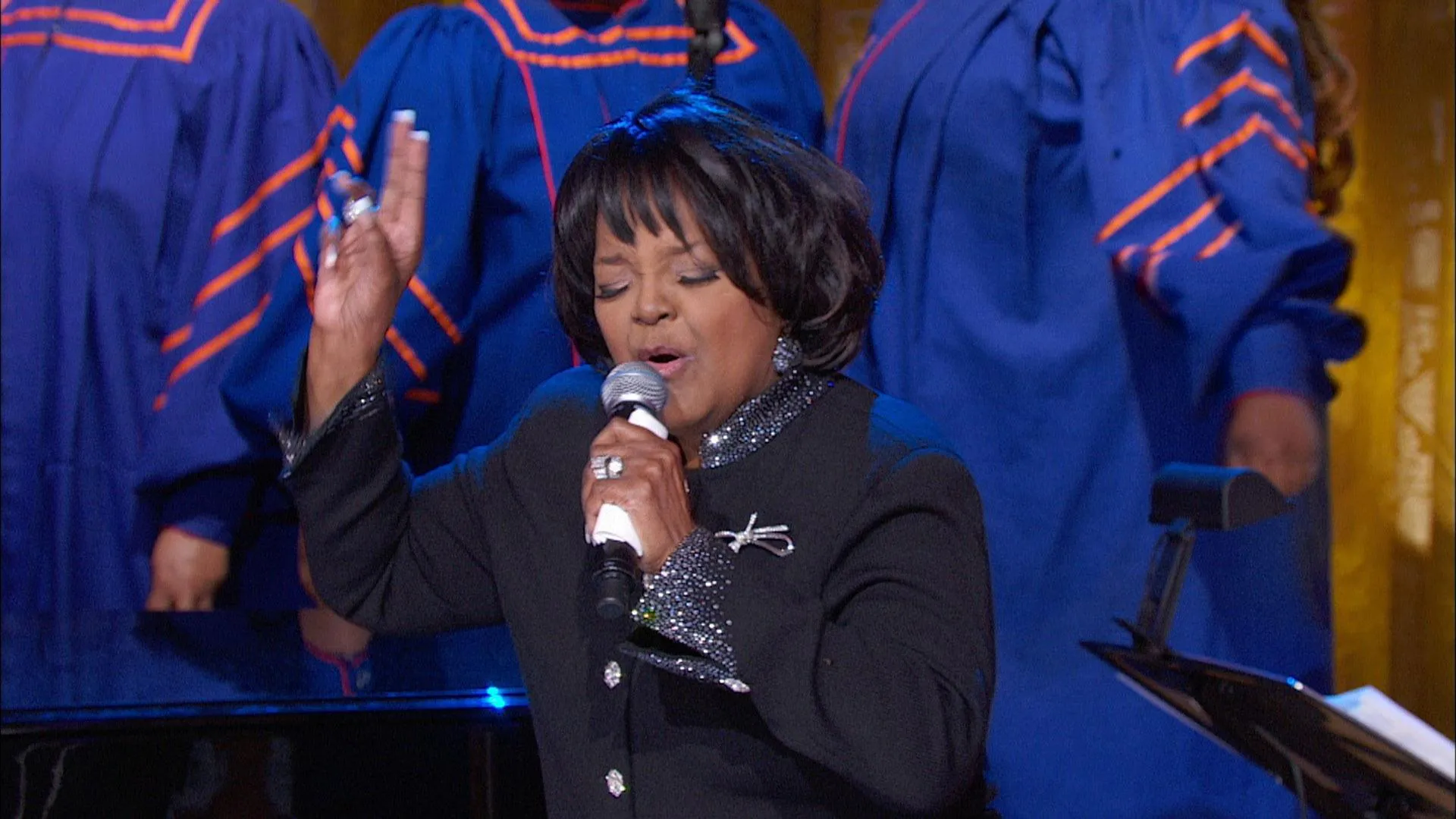
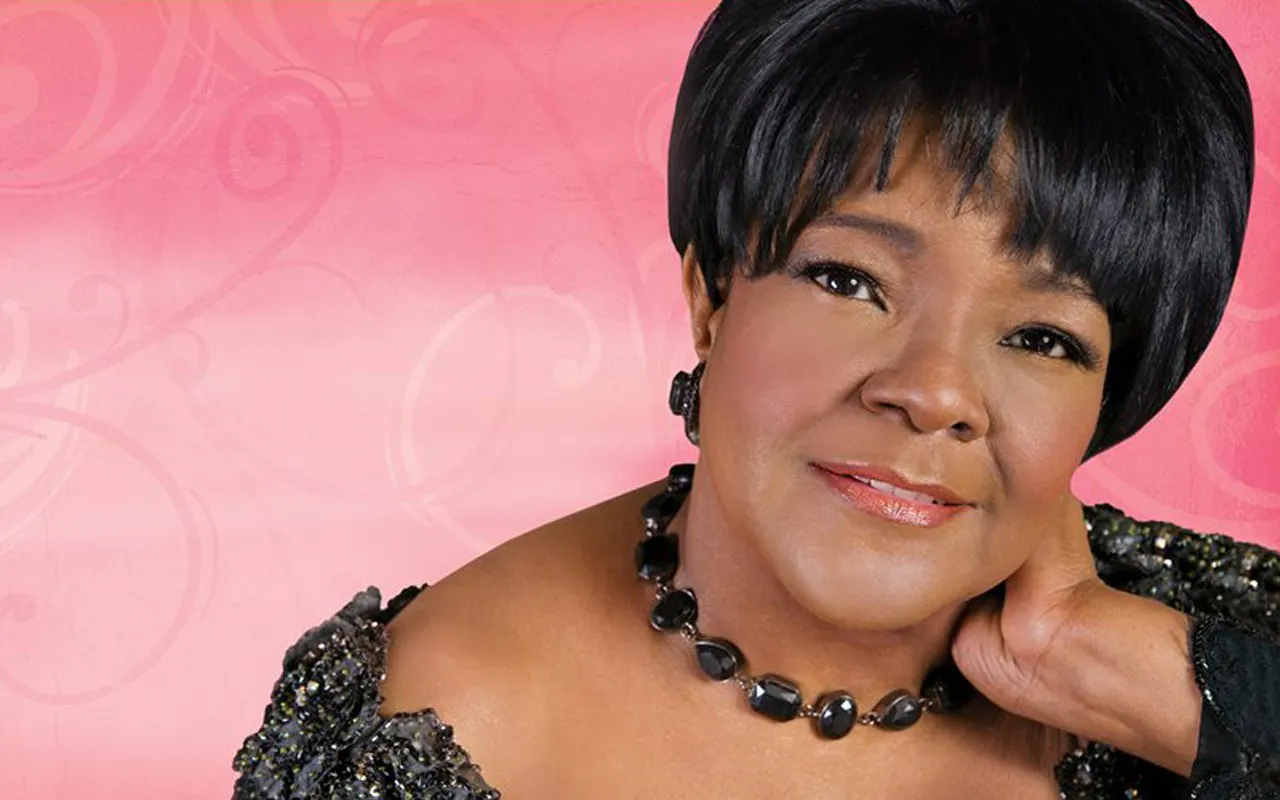
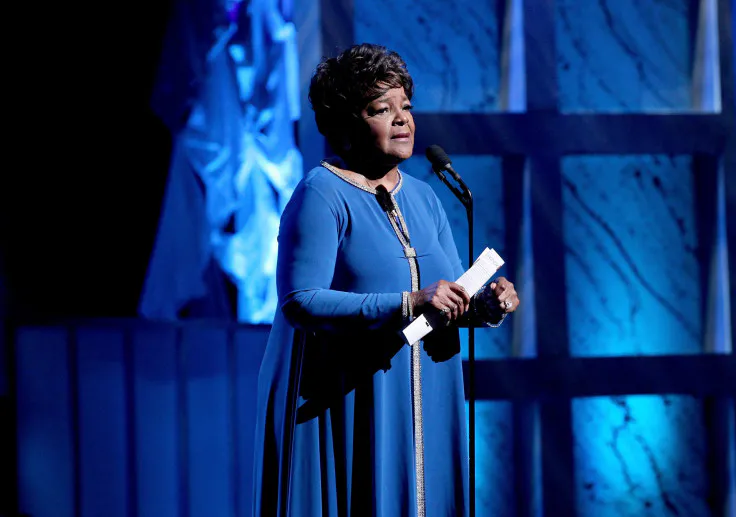
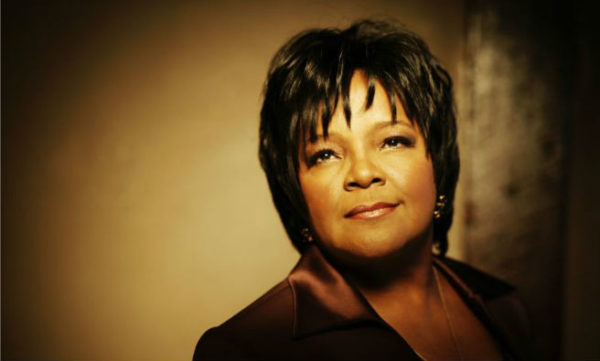
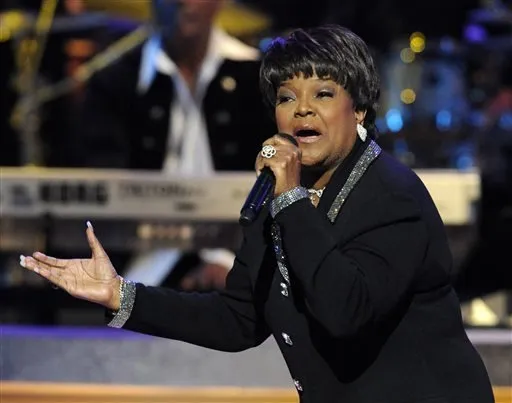
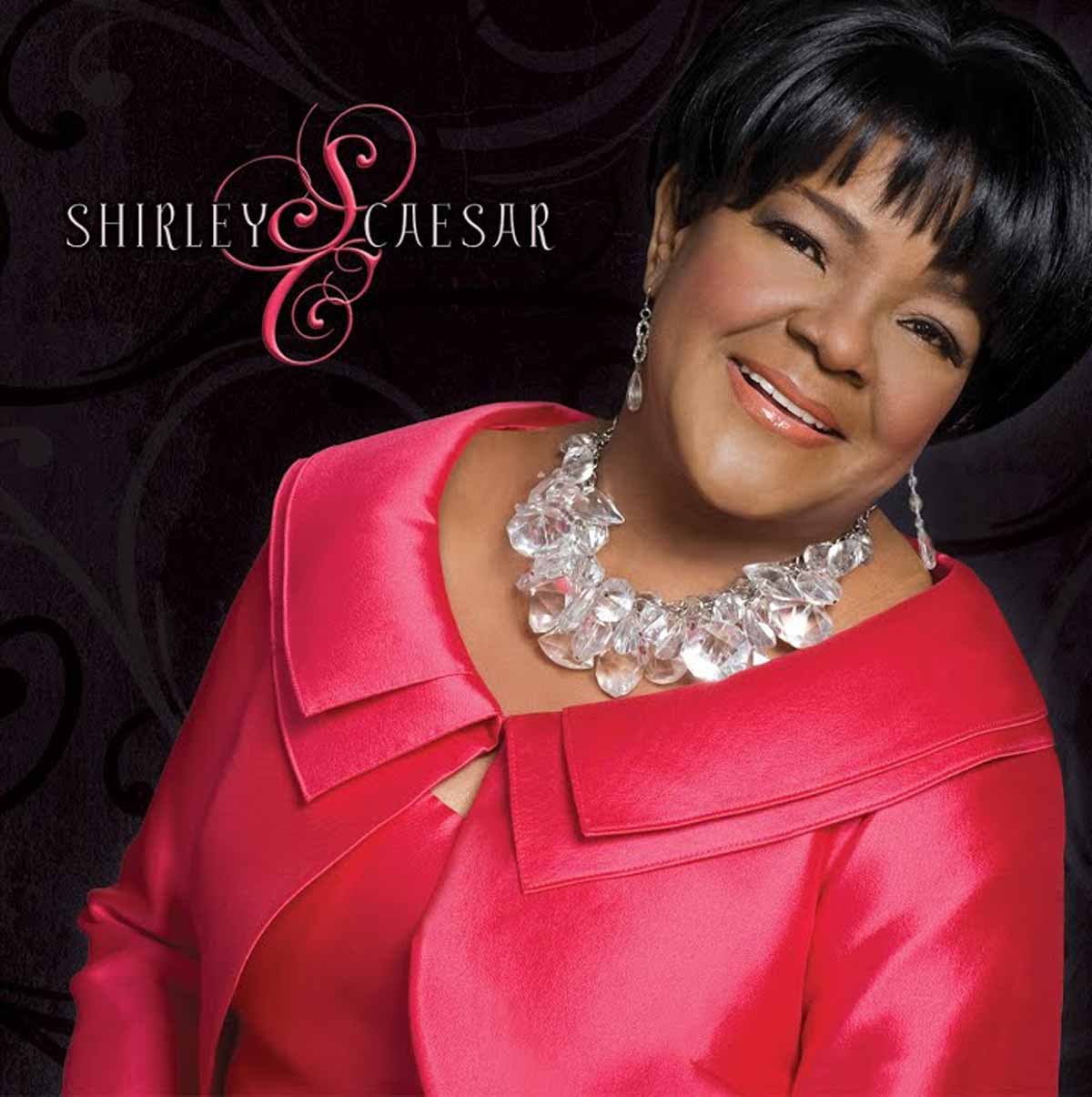
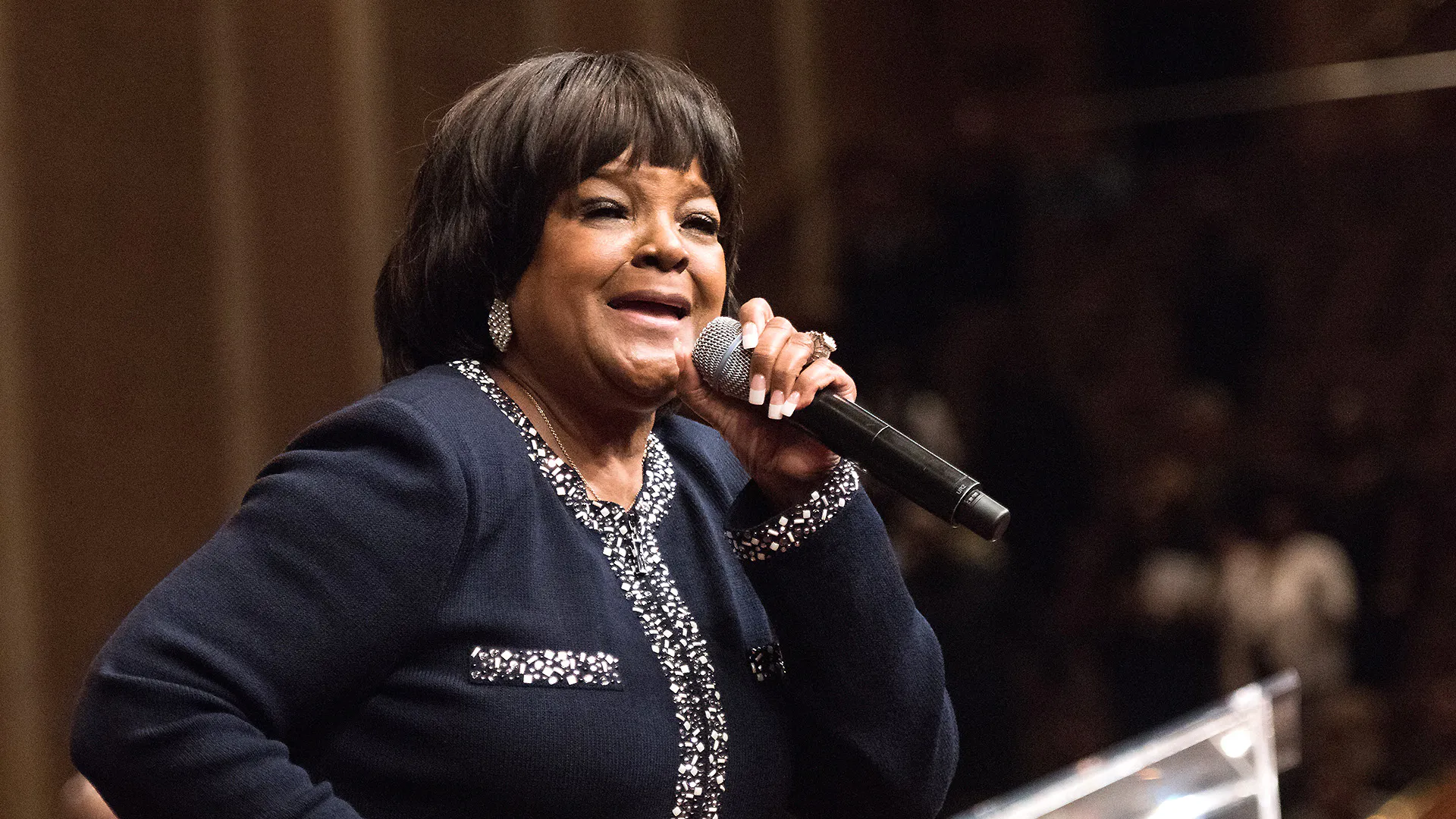
Shirley Caesar is one of the world’s most visible gospel singers. Her work has earned her 11 Grammys, as well as many other awards, and the titles “the Queen of Gospel Music” and “the First Lady of Gospel Music.” Shirely Ann Caesar was born on October 13, 1938 in Durham, North Carolina the 10th of 13 children. Her father James was a tobacco worker who was well-known in the Carolinas as the lead singer in a gospel quartet, the "Just Came Four". In 1943 at the age of five Caesar started singing and performing as “Baby Shirley” throughout North Carolina and South Carolina and began singing with the group at age ten. When she was eight, her father died, and she began touring a few years later with an evangelist named LeRoy Johnson, who also had a television show in Portsmouth, Virginia. Caesar’s career began in 1951 when she was only 12 years old when she recorded her first song “I’d Rather Have Jesus”.
This was a time when Jim Crow laws were still in effect in North Carolina. Caesar remembers restaurants putting up the “CLOSED” sign when she would arrive. “I went to school in the days when all the white kids got things better,” she told People. “I remember once when a lady gave cookies to all the kids in the school. The White kids got the fresh ones; we got the stale ones.” Despite these obstacles, her beloved mother Hannah taught her to respect herself and to persevere. After finishing Hillside High School in Durham in 1956, she enrolled in North Carolina College, where she majored in business education with hopes of becoming an evangelist. She has said that she got the call to God's work in the middle of a typing test, when she heard someone call out her name.
Around the same time, Shirley heard Chicago's female gospel group, the Caravans, one of the most popular gospel groups at that time, and she saw an opportunity to answer the call. She sought an audition with the group, was immediately hired, and left school for a life of singing and ministry. The Caravans had several members who became famous in the history of gospel music: Albertina Walker, Inez Andrews, and Sarah McKissick. Each woman had a different style and Shirley’s contribution was an energetic and dramatic approach where she would act out the songs and walk among the congregation, engaging the members directly. Her forte was the sermon in the middle of songs that addressed the subject of the song and expounded on its theme.
She exhorted the listeners to reach out to God and to take the example of Jesus. On the subject of motherhood, she was particularly effective. Her biggest hit with the Caravans was the song "Sweeping Through the City" followed by "No Coward Soldier". In 1961 Caesar released a solo single, "Hallelujah, It's Done," which incorporated a sermon along with the music, and she began touring as a singing evangelist during downtime from the Caravans. Along the way, Shirley found a male counterpart in the singer James Cleveland and they made several records together. They became known as the “King and Queen of Gospel”. After 8 years with the Caravans, she decided to leave after being offered a solo recording contract with Hob Records. Her first LP on the Hob label was entitled I'll Go, backed up by the Institutional Radio Choir and includes the classics "Oh Peter, Don't Be Afraid" and "Choose Ye This Day".
In 1966, Caesar left the Caravans to preach as a full-time evangelical and established the Mount Calvary Word of Faith Church in Raleigh, North Carolina. Of her call to the ministry, she said, "I am called to be a preacher-evangelist first, and a singer second". Caesar formed her own group in 1966 called the Caesar Singers, but she would reunite with the Caravans and the Reverend Cleveland occasionally throughout the years. Caesar’s won a Grammy Award for the song “Put Your Hand in the Hand of the Man from Galilee” in 1971. It was the first of her 12 Grammy Awards. On the night of the awards, she had returned very late from an engagement in Homer, Louisiana. People began banging on her door, and when she eventually answered, her sister Ann, one of her backup singers, shouted “You won!” It was the first Grammy for a African American female gospel singer since Mahalia Jackson won the award in 1962.
In 1975, Caesar’s single “No Charge,” was released as a country music song. It became an instant hit and her first gold record. Sharing the album’s name, it peaked at number 40 on the Billboard R&B chart and number 91 on the Billboard Hot 100 chart. During that same year, Other hits soon followed, with recordings such as "Satan, We're Gonna Tear Your Kingdom Down", "God's Not Dead, He's Yet Alive" and the classic "Don't Drive Your Mama Away". Although she had success she wanted to reach larger audiences and felt this wasn't being achieved with Hob Records. She decided not to renew her record contract with them which ended that same year. To reach more people with her music, Caesar signed with a secular record label called Roadshow Records in 1977 and released the debut album entitled "First Lady". The producer of the album titled the album First Lady because Caesar was the first female to ever record on the label.
The album contained songs with strong gospel lyrics, but many within the gospel community felt that the music itself was "too worldly," and many gospel DJs refused to play it on their radio station. One song, however, "Faded Rose", later became a Caesar classic. The "First Lady" title caught on within the gospel industry, and gospel promoters everywhere started introducing her as "The First Lady of Gospel Music", a title that has been associated with her ever since. The second and final album she recorded for Roadshow was "From the Heart" in 1978. It was poorly received for the same reason. Caesar searched for a gospel label and decided to sign with Word Records in 1980 and went on to win several more Grammy Awards during the next several years and beyond.
She stayed with Word for many years and recorded some of the biggest hits of her career such as "God's Got It All in Control", "Hold My Mule", "He's Working It Out for You", "Jesus, I Love Calling Your Name" and "You're Next in Line for a Miracle". She has made a name for herself on the gospel music circuit, making guest appearances on the Bobby Jones gospel show and other popular television shows. Caesar married Bishop Harold I. Williams in June 1983 in an elaborate wedding in 1983 that had 140 people in the wedding party alone. Soon after their marriage, they became co-pastors of the 1,500-member Mount Calvary Word of Faith Church in Raleigh. When Caesar ran for public office and was elected to the Durham City Council in 1987, she concentrated her efforts on housing and care for the poor and elderly. She told Ebony magazine, “My main objective is to make sure we focus on the needy and not the greedy”.
Broadway found that the gospel singer could conquer a big city when Caesar packed them in for the musical "Mama, I Want to Sing" in 1994. Her second Broadway musical in 1995 was titled "Born to Sing: Mama 2". "Born to Sing: Mama 3" followed soon after. Perhaps her proudest achievement was the creation of a ministry in Durham to provide emergency funds, food and shelter for the needy, called the Shirley Caesar Outreach Ministries, Inc. Caesar released a number of albums before the end of the decade. "A Miracle in Harlem", a live album released in 1997, was recorded at the First Corinthian Baptist Church in Harlem, New York, and featured backup vocals from the Love Fellowship Church Choir. Over the years, Caesar has tried out many different styles of music, while keeping her message of faith and worship consistent. Caesar’s autobiography, "Shirley Caesar: The Lady, the Melody, the Word", was published at the same time.
She released "You Can Make It" in 2000, an energetic collection of songs that covered a range of styles from traditional gospel to soul to R&B. The gospel style of song and sermonette, singing that involves both the spoken word and dramatic acting, was developed primarily by Shirley Caesar. Shirley was the first female gospel artist to perform at Harvard University. But while her catalog is varied, there is a consistency to it that ensures her fans will almost always be pleased by any new recordings. Shirley would go on to record 40 albums, many compilations, and three gospel-style musicals. Among her numerous honors are 17 Dove Awards, the Gospel Music Association's highest tribute. In addition, she has been awarded 13 Stellar Awards, an Essence Award, two National Association for the Advancement of Colored People (NAACP) Image Awards and received Honorary Doctorates from Shaw University in Raleigh, NC and Southeastern University in Lakeland, FL. She was inducted into the Gospel Hall of Fame in 1982.