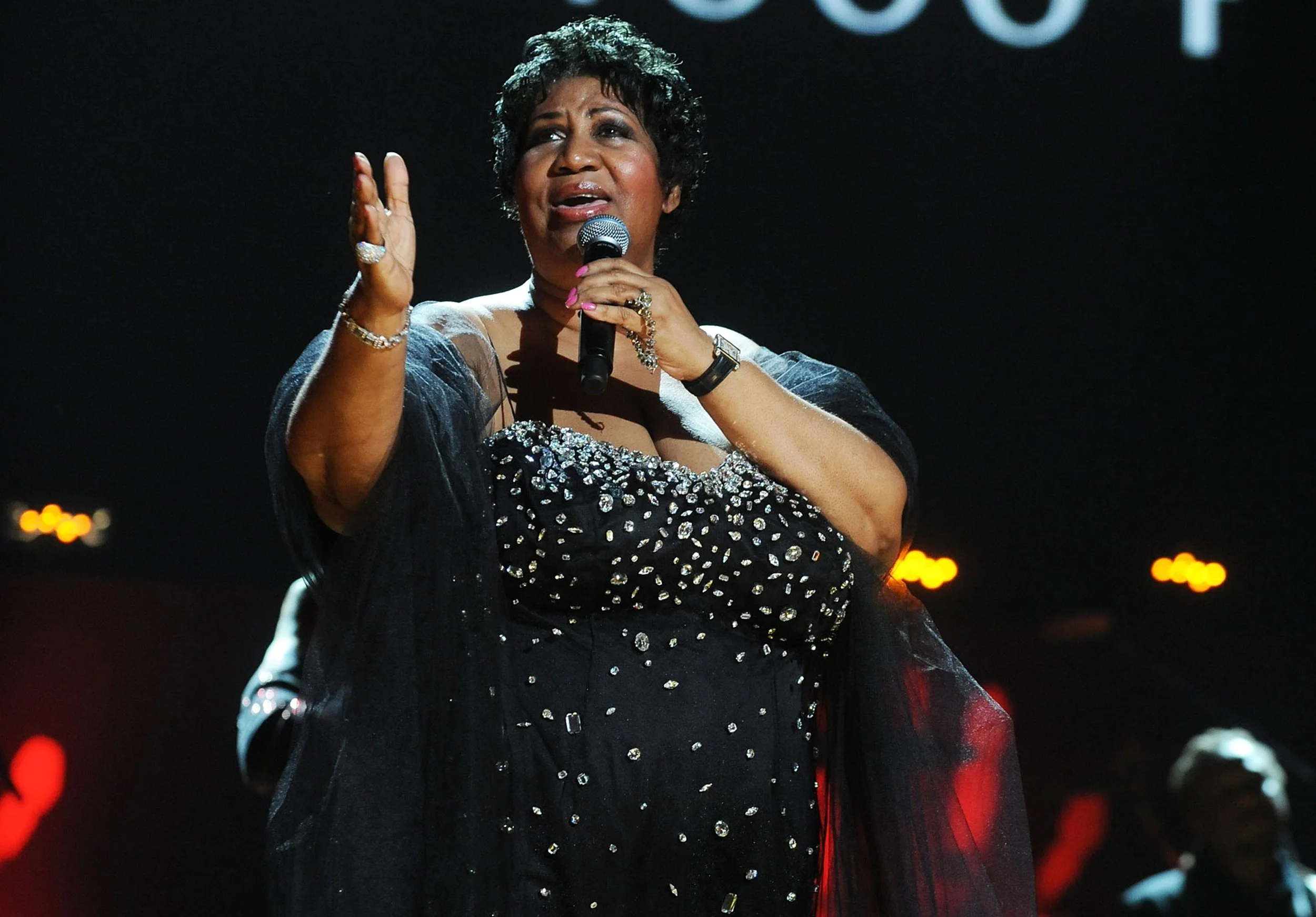
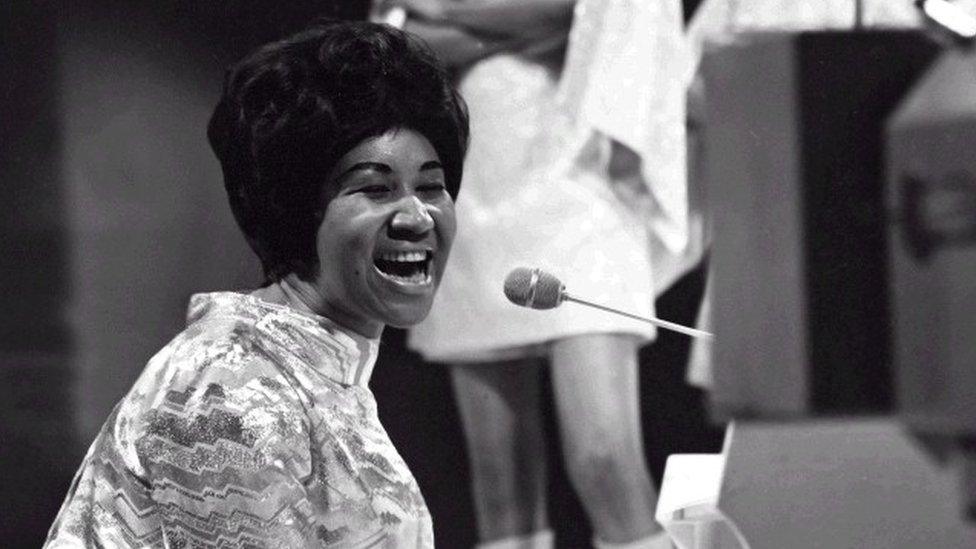
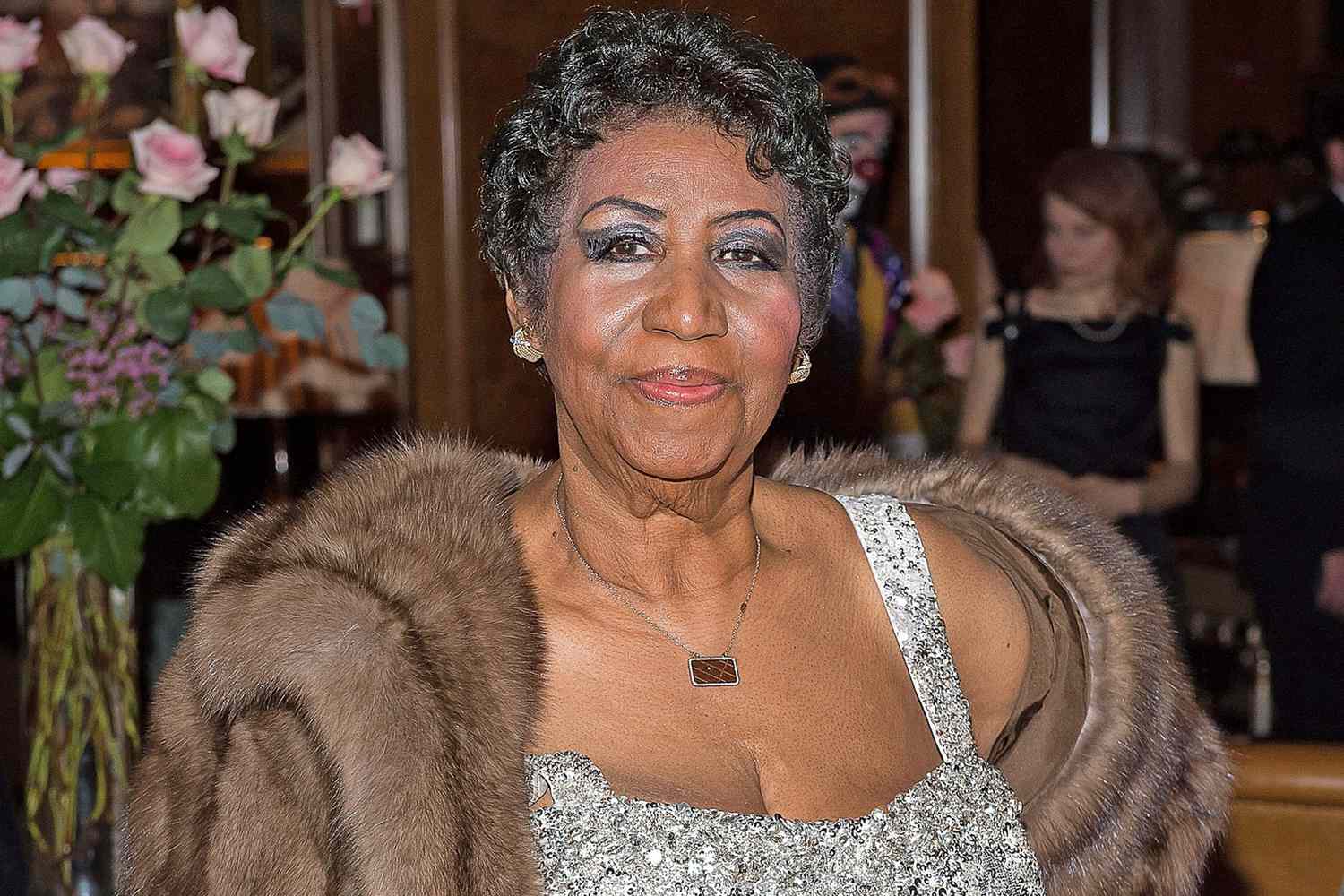
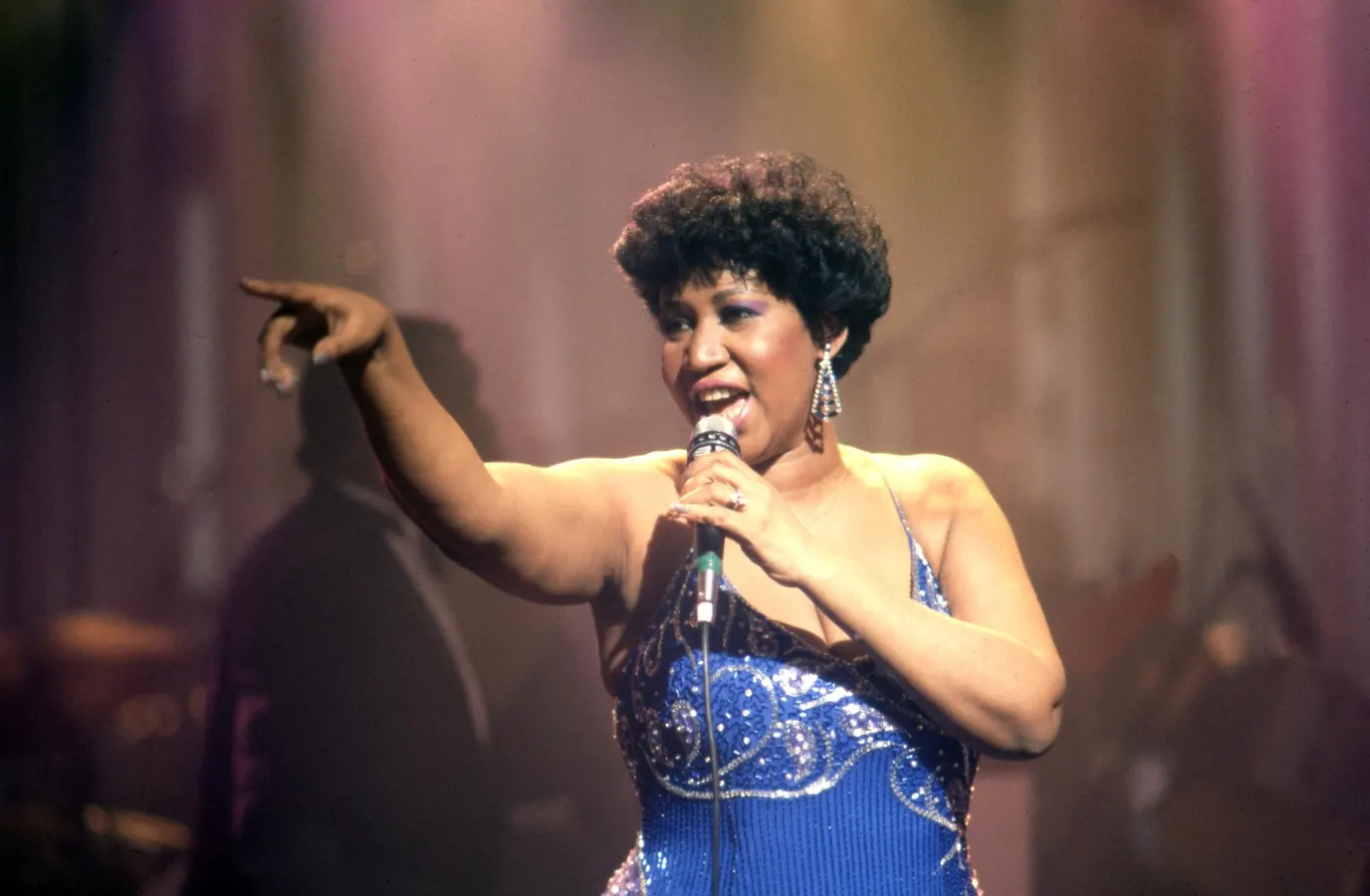
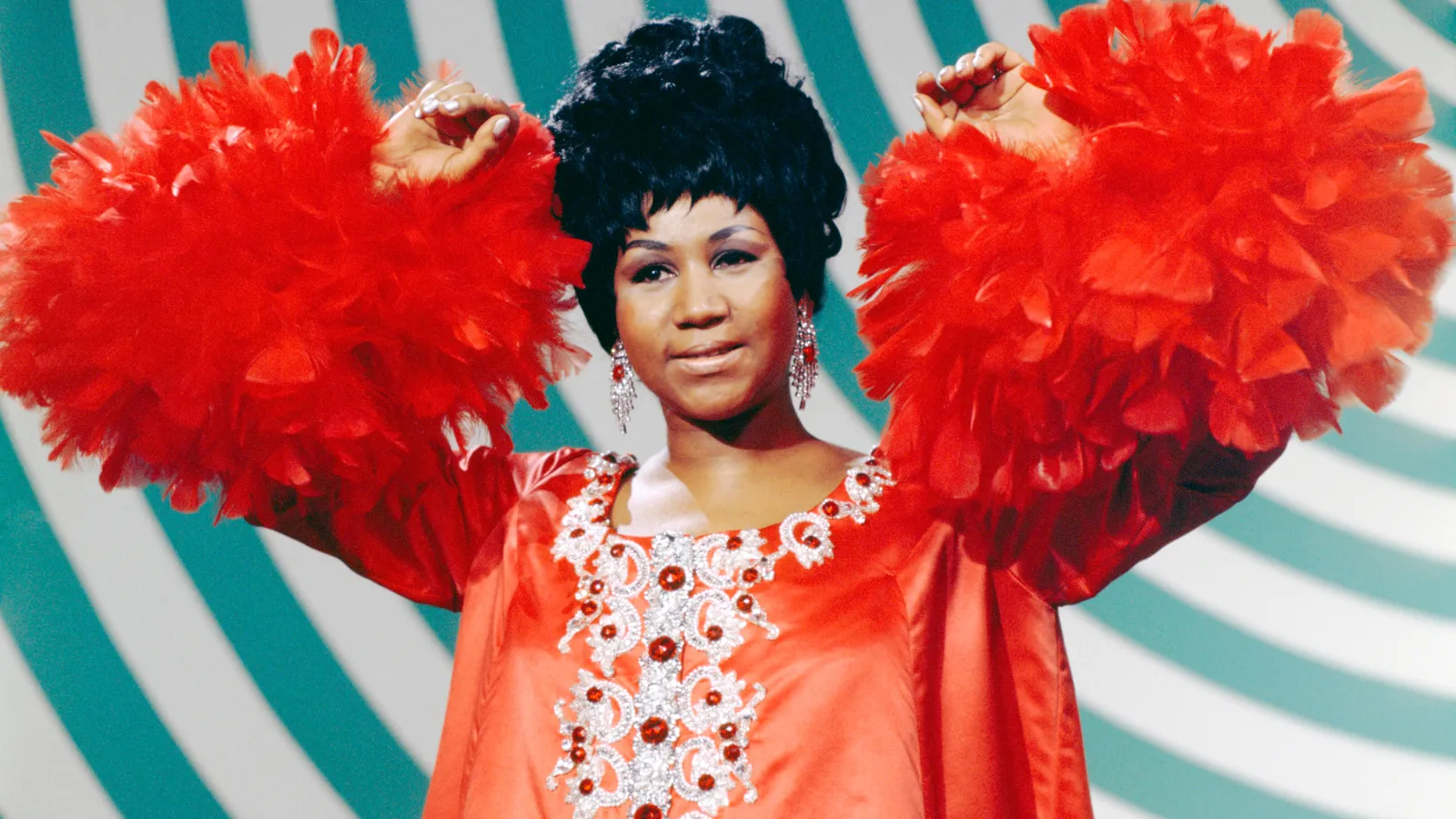
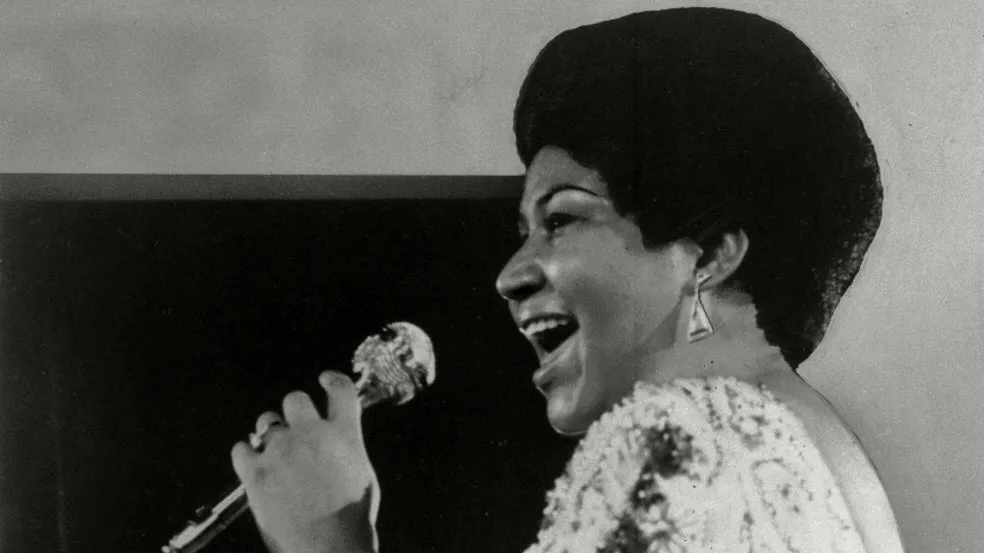
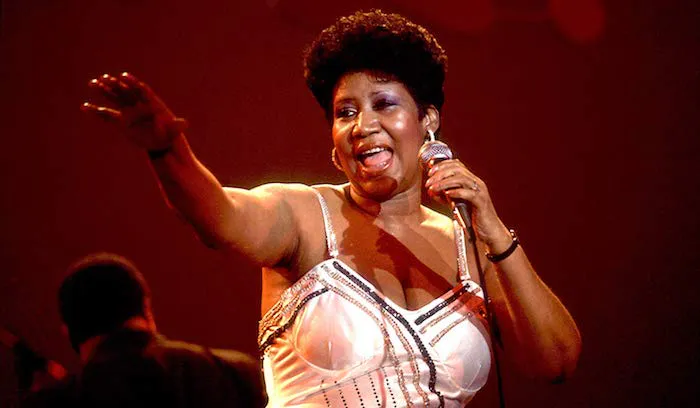
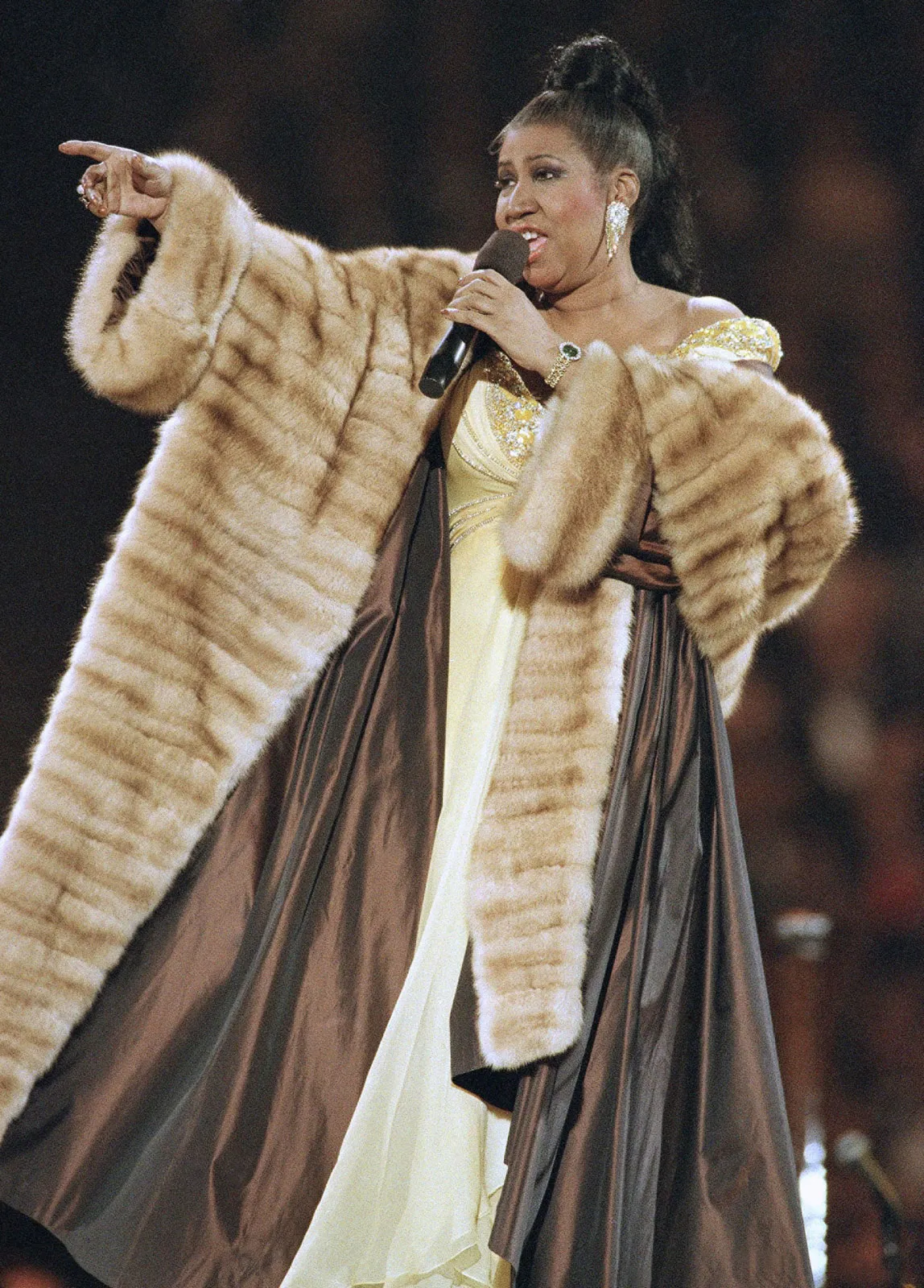
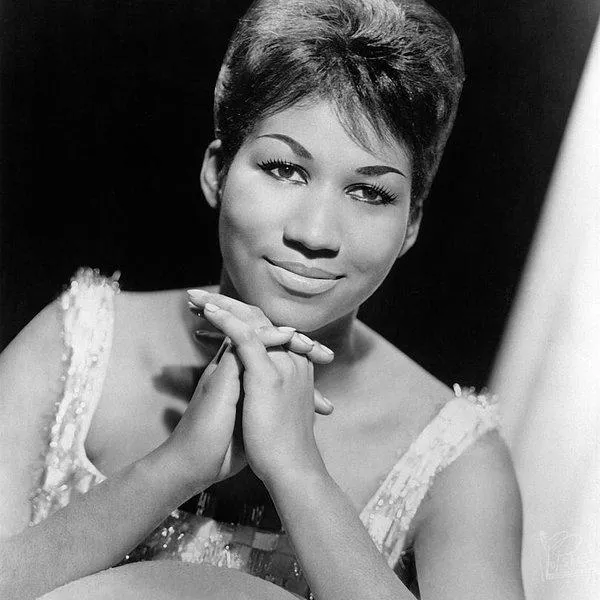
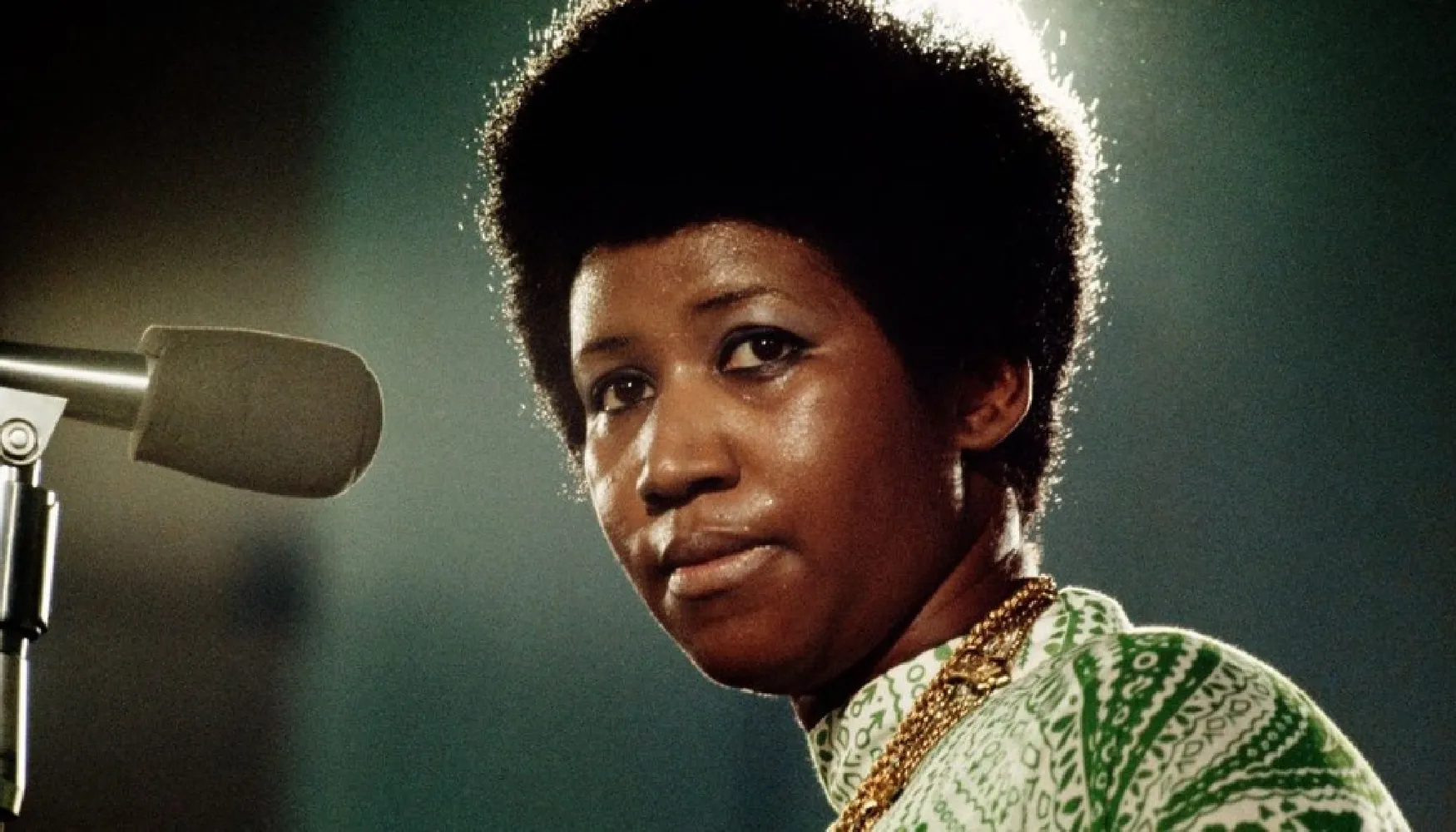
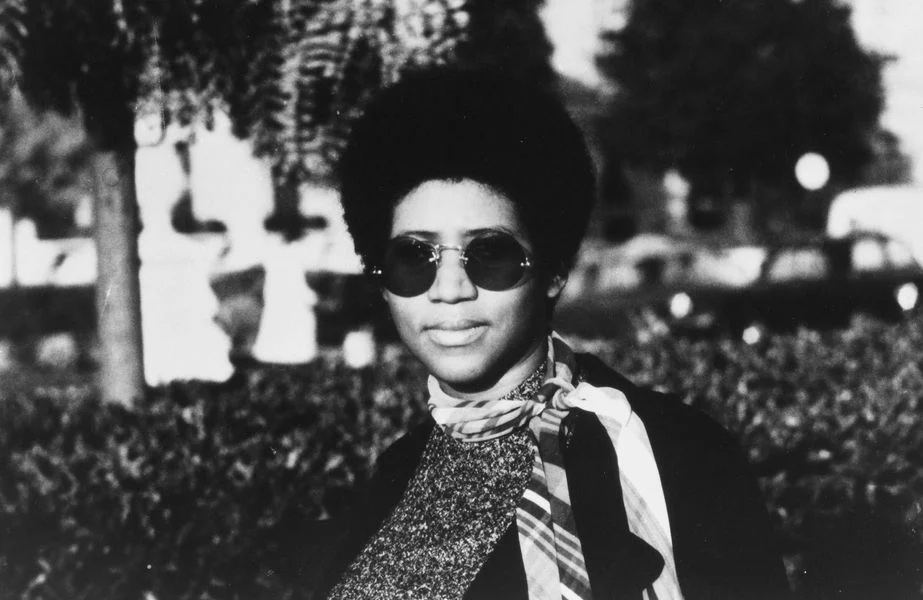
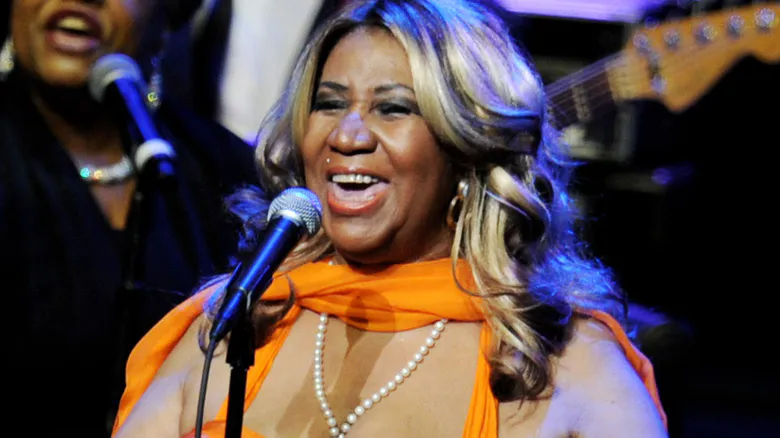
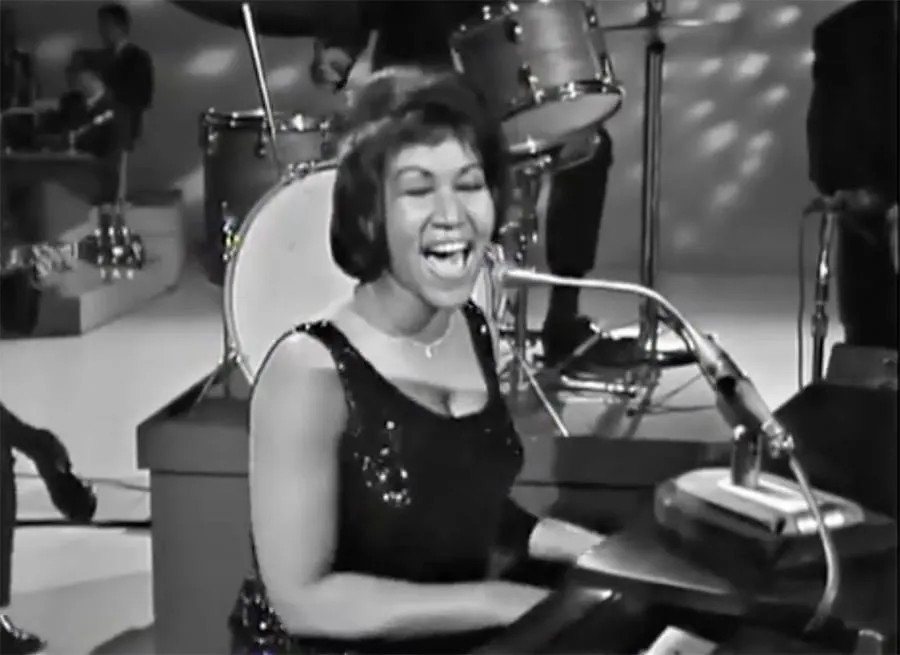
One of the best known and most popular Soul and R&B singers, though she's sung songs in just about every genre you can think of. She's had pop hit after pop hit and consistently crosses over on the charts. The “Queen of Soul” Aretha Louise Franklin was born in Memphis, Tennessee on March 25, 1942 to Baptist preacher Clarence La Vaughan "C. L." Franklin and Barbara Siggers Franklin. When she was two years old her family moved to Detroit, Michigan where her father became minister at New Bethel Baptist Church. Both parents were gospel singers but her mother, later separated from Franklin’s father, died when Aretha Franklin was ten. Rev. Franklin was not only a popular pastor but an influential civil rights activist, in demand for speaking engagements around the country. Notable figures from the civil rights movement were regular visitors to New Bethel Church and were welcome guests in the Franklin home.
His fame led to his home being visited by various celebrities. Among the visitors were gospel musicians James Cleveland, and early Caravans members Albertina Walker and Inez Andrews. Her central influence, Clara Ward of the renowned Ward Singers, was a family friend. The Rev. Franklin and Ms. Ward did have a romantic relationship in the 1940s–early 1950s, when both were rising figures in gospel. Ward’s mother and manager, Gertrude Ward, was strongly opposed to anything that might damage Clara’s career or reputation. Their relationship did not develop into anything publicly formalized, but it was a widely acknowledged romantic involvement. It ended with Ward's death in 1973, though Aretha "preferred to view them strictly as friends".
Aretha was exposed at an early age to such music legends, when they visited her father. She grew up with Smokey Robinson in a neighborhood that spawned the Four Tops, Diana Ross and Jackie Wilson. Aretha’s father encouraged her to sing. When she was small, her father would stand her on a chair to be seen from the pews when she sang in church. She learned to play piano by ear, although she resisted formal lessons. Franklin sang her first solo in her father’s church at age nine or ten. As a young teen, Franklin performed with her father on his gospel programs in major cities throughout the country and was recognized as a vocal prodigy. She learned to play piano by ear, although she resisted formal lessons, and by age ten, she could foresee a career as a gospel singer.
At the tender age of 12, she gave birth to her first child, a boy, in 1955. She gave birth to her second child, another boy, at age 15 in 1957. The father of her first son has never been publicly confirmed. The father of her second son was Edward Jordan, a young man she knew. The children were largely raised with help from family members (especially her grandmother), which was not uncommon in that context. This kind of extended-family child-rearing structure was very common in Black church communities of that era. Rather than scandal ending her future, Aretha’s musical career continued to grow, especially within the church. Even though Aretha Franklin became a mother extremely young, her life did not derail in the way people might expect. Her father did not publicly reject her and continued to support her life and career. Her early motherhood became part of a complex but supportive family environment.
When Franklin was 12, her father began managing her. In her teens, she joined the junior choir that traveled with her father on his speaking engagements. While in California, the Franklins met the young Sam Cooke, lead singer with the gospel group the Soul Stirrers. They followed his career with interest as he left the Soul Stirrers to focus instead on secular pop music. Sam Cooke’s success made a deep impression on young Aretha, who began to wonder if she too might pursue a music career outside of the church. As a young gospel singer, Franklin spent summers on the gospel circuit in Chicago and stayed with Mavis Staples's family. Also important was James Cleveland, who helped to focus her early career as a gospel singer, teaching her rudimentary piano chords and helping her expand her vocal range. Cleveland had been recruited by her father as a pianist for the Southern California Community Choir.
At age 18, Franklin confided to her father that she aspired to follow Sam Cooke in recording pop music, and with her father’s blessing, Franklin switched from sacred to secular music. Passing on an offer from Berry Gordy’s Motown Records in Detroit, Rev. Franklin prevailed on musician friends to form a small group to make a demonstration recording for Columbia Records. An executive at Columbia, the legendary producer John Hammond, was impressed with Aretha’s demos and invited her to New York for a live audition. She moved to New York City to make her first major-label recordings. Hammond teamed Aretha Franklin with some of the best arrangers and musicians in the business and recorded a variety of material, emphasizing the breadth of her talent. Franklin's first Columbia single, "Today I Sing the Blues", was issued in September 1960 and later reached the top 10 of the Hot R&B Sides chart.
In January 1961, Columbia issued Franklin's first album, "Aretha: With The Ray Bryant Combo". The album featured her first single to chart the Billboard Hot 100, "Won't Be Long", which also peaked at number 7 on the R&B chart. Before the year was out, Franklin scored her first hit-single with her rendition of the standard "Rock-a-Bye Your Baby with a Dixie Melody". By the end of 1961, Franklin was named as a "new-star female vocalist" in DownBeat magazine. During the year, Franklin married Ted White, a 31 year-old record promoter. Although Jo King had been Franklin’s manager for several years, White took over the management of Franklin’s career soon after their marriage. Her records were well reviewed, and she swiftly acquired a reputation in the industry as a compelling new voice. Shy and unassuming by nature, Franklin worked with the veteran Black dancer and choreographer Charles “Cholly” Atkins to acquire a more forceful stage presence.
By the mid-‘60s, she was winning an enthusiastic following for her live performances, and critics had begun to call her the “Queen of Soul”, a title that would never be challenged. By 1964, Franklin began recording more pop music, reaching the top 10 on the R&B chart with the ballad "Runnin' Out of Fools", in early 1965. She had two R&B charted singles in 1965 and 1966, with the songs "One Step Ahead" and "Cry Like a Baby", while also reaching the Easy Listening charts with the ballads "You Made Me Love You" and "(No, No) I'm Losing You". During this time Franklin was making $100,000 per year from countless performances in nightclubs and theaters. Also during that period, she appeared on rock-and-roll shows, such as Hollywood a Go-Go and Shindig! However, she struggled with commercial success while at Columbia. White was particularly opposed to the direction in which various Columbia producers were pushing Franklin.
Despite her popularity with critics and audiences, Franklin’s record label seemed uncertain about which direction to take her career. Columbia had her recording both R&B and “easy listening” pop songs. She scored hits on both the R&B and Easy Listening charts, but with the new sounds of rock and soul music dominating the charts, Franklin did not believe Columbia was providing the best opportunity to fulfill her true potential. Not having much success at Columbia Records, she switched to Atlantic Records, where producer Jerry Wexler allowed her to sculpt her own musical identity. Wexler decided that he wanted to take advantage of her gospel background. The Atlantic days would lead to a series of hits for Aretha Franklin from 1967 to early 1972. Her rapport with Wexler helped in the creation of the majority of her peak recordings with Atlantic. Franklin returned to her gospel-blues roots, and the results were sensational.
In January 1967, Franklin traveled to Muscle Shoals, Alabama, to record at FAME Studios and recorded the song "I Never Loved a Man (The Way I Love You)", backed by the Muscle Shoals Rhythm Section, which was famous as the site of the soul sound. The song was released the following month and shot to number one on the R&B chart, while also peaking at number nine on the Billboard Hot 100, giving Franklin her first top-ten pop single and her first million-seller. The song's B-side, "Do Right Woman, Do Right Man", reached the R&B top 40, peaking at number 37. The following spring, Atlantic released the single that will forever be inextricably associated with Aretha Franklin, "Respect", written by R&B superstar, Otis Redding. Franklin rearranged the song, adding the break in which she spelled out the word “R-E-S-P-E-C-T” while her sisters rapidly sang the words “sock it to me,” a popular catchphrase of the day.
“Respect” brought Franklin two Grammy Awards, for Best R&B Record and Best Female R&B Performance. More hits songs came for Aretha after that first million-seller. Her first Atlantic album became a gold record, selling half a million copies. In the late '60s, Franklin became one of the biggest international recording stars in all of pop. Many also saw her as a symbol of Black America itself. She reflected the increased confidence and pride of African-Americans in the decade of the Civil Rights movement and other triumphs for the Black community. She had found her style with a new blend of gospel vocals with inventive piano playing in passionate secular love songs. Working with Wexler and Atlantic, Franklin had become "the most successful singer in the nation" by 1968.
Franklin scored two more Top Ten singles in 1968: “Baby I Love You” and the unforgettable “(You Make Me Feel Like) A Natural Woman,” which was written by Carole King. During the year, Franklin issued the top-selling albums "Lady Soul" and "Aretha Now", which included some of her most popular hit singles, including "Chain of Fools", "Ain't No Way", "Think", and "I Say a Little Prayer". That February, Franklin earned the first two of her Grammys, including the debut category for Best Female R&B Vocal Performance. Earlier that year, in February 1968, she was presented with the Drum Beat Award of the Southern Christian Leadership Conference by Dr. Martin Luther King, Jr., less than two months before his death. Franklin toured outside the US for the first time in late April/May 1968, including an appearance at the Concertgebouw, Amsterdam, where she played to a near-hysterical audience who covered the stage with flower petals.
In June 1968, she appeared on the cover of Time magazine. "Think”, which came out in 1968, Franklin wrote with her first husband, contained more than one meaning in its lyrics. Franklin divorced her husband Ted White in 1969 and took full charge of her career for the first time. Her brother became her manager. In the early 1970s, she continued her run of hit albums with "Spirit in the Dark" and "Young, Gifted and Black". She was the first soul artist to play at the San Francisco rock venue Fillmore West, a performance documented on the album "Aretha Live at Fillmore West", in 1971. Franklin's commercial and artistic success was unabated in the early 1970's. During this time she landed more huge hits with "Spanish Harlem," "Bridge Over Troubled Water," and "Day Dreaming."
Spurred by Mahalia Jackson's passing and a subsequent resurgence of interest in gospel music, Franklin returned to her roots in gospel music. In January 1972 she recorded a live album at New Missionary Baptist Church in Los Angeles with James Cleveland and the Southern California Community Choir. Aretha brought her elite New York-based rhythm section to the church to provide a "funky rhythm" to the live divine proceedings. Recording the title track was so emotional for the Reverend James Cleveland that he broke down in tears at the piano and had to leave the session. Amazing Grace sold over two million copies, making it the bestselling album of her career, and is among the five Aretha recordings featured in the Grammy Hall of Fame. It also won Franklin the 1973 Grammy Award for Best Soul Gospel Performance. It is one of the bestselling gospel albums of all-time as well as the highest selling live gospel music album of all time.
Jerry Wexler’s departure from Atlantic in 1976, left her without a strong partner at the label. By the late 1970s disco cramped Franklin’s style. A collaboration with Quincy Jones on the album "Hey Now Hey" was a disappointment. She scored her last R&B hit of the ‘70s with “Something He Can Feel” from the soundtrack of the film "Sparkle". Her last albums for Atlantic sold poorly, and in the middle of the decade, her career was faltering. Franklin moved from New York to Los Angeles in search of renewed inspiration and opportunity. In 1978, she married actor Glynn Turman, at her father's church, making a new home for her children as well as his. Family matters took center stage in 1979. In 1980, after leaving Atlantic Records, Franklin signed with Clive Davis's Arista Records. Franklin's first Arista release, Aretha, was released in 1980 and produced the top three R&B hit single "United Together".
She was back in the public eye with a memorable performance in the highly successful film The Blues Brothers, singing her 1960s hit “Think.” Franklin gradually returned to the top of the charts with her albums for Arista, scoring a gold record with her 1982 album, Jump to It. The same year, Franklin separated from her husband, Glynn Turman, and returned home to Detroit to be near her family. In 1985, Arista hired a young Narada Michael Walden to produce the album, "Who's Zoomin' Who". Eschewing her R&B and soul roots, the album brought on a crossover pop sound with elements of synthesized dance-rock and urban pop. Featuring the top ten Hot 100 hits such as "Freeway of Love" and the title track, the album peaked at number thirteen on the Billboard 200.
She enjoyed further chart success throughout the 1990s with the singles “A Deeper Love,” “Willing to Forgive,” and “A Rose Is Still a Rose.” The album of the same name was also a gold record. Franklin returned to the charts in 1993 with the house song "A Deeper Love", which was featured on the soundtrack to "Sister Act 2: Back in the Habit" and topped the Billboard Dance Club Play chart and was a UK top five hit. She was no stranger to public ceremonies, having performed at President Bill Clinton’s inaugural gala in 1993. In 1995, Franklin portrayed Aunt Em in the Apollo Theater revival of The Wiz. That year, Franklin contributed to the soundtrack of Waiting to Exhale, after being handpicked by Whitney Houston to perform the ballad "It Hurts Like Hell", which reached the Billboard R&B charts. The music industry honored her with a Grammy Legend Award in 1991 and a Grammy Lifetime Achievement Award in 1994.
In 1998, Franklin was scheduled to appear at the Grammy Awards. When fellow guest performer, the famed operatic tenor Luciano Pavarotti, was forced by illness to cancel at the last minute, Franklin was asked to fill in his place in the program. The orchestra had prepared to accompany Pavarotti in one of his signature pieces, the aria “Nessun Dorma” from Puccini’s opera Turandot. Franklin already had sung the aria herself at a benefit concert a few months earlier, in her own key. To the amazement of producers, musicians, and the audience, she offered to sing it with the orchestra in the tenor’s original key. Her astonishing performance stopped the show. The aria became a regular part of her concert repertoire and inspired her to further explore classical vocal literature.
To complete her Arista obligations, Franklin issued the duets compilation album "Jewels in the Crown: All-Star Duets with the Queen" in 2007. On January 20, 2009, Franklin made international headlines for performing "My Country, 'Tis of Thee" at President Barack Obama's inaugural ceremony. In 2010, Franklin accepted an honorary degree from Yale University. Her 2014 album, "Aretha Franklin Sings the Great Diva Classics", included not only her version of “Nessun Dorma” but a version of “Rolling in the Deep,” previously a hit for the British singer Adele. Franklin’s version became her 100th song to make the Billboard R&B/Hip-Hop chart. After cancelling some concerts due to health issues, she toured the United States again in 2014. In 2015, she sang “Nessun Dorma” for Pope Francis at the World Meeting of Families. At that year’s Kennedy Center Honors, during a tribute to Carole King, Franklin sang “(You Make Me Feel Like) A Natural Woman” to an audience including President Barack Obama and Mrs. Obama, winning a standing ovation from the audience.
She was at Detroit's Ford Field on Thanksgiving Day 2016 to perform a rendition of "The Star-Spangled Banner" that lasted more than four minutes and featured a host of improvisations. Franklin, though fighting illness, performed at the opening of the Tribeca Film Festival in April 2017 to help celebrate record executive Clive Davis. In November of that year, Franklin released the album titled "Brand New Me", which had been recorded at Abbey Road Studios and consists of the Royal Philharmonic Orchestra providing new arrangements for several of Franklin's classic songs using archival vocals, including "Think" and "Respect". Amid continued reports of her progressively ill health, on November 7, 2017, she gave her last public performance, singing at the Cathedral of St. John the Divine in New York City, at the 15th Annual Elton John AIDS Foundation Gala. Aretha Franklin succumbed to pancreatic cancer at the age of 76 in August of 2018.
Her recorded legacy and the example of her passion, endurance, and commitment to her art continue to inspire musicians, music lovers and ordinary men and women the world over. From her time growing up in the home of a prominent African-American preacher to the end of her life, Franklin was immersed and involved in the struggle for civil rights and women's rights. She provided money for civil rights groups, at times covering payroll, and performed at benefits and protests. Franklin was also a strong supporter of Native American rights. She quietly and without fanfare supported Indigenous peoples' struggles worldwide, and numerous movements that supported Native American and First Nation cultural rights. In 2005, she was awarded the Presidential Medal of Freedom by President George W. Bush. At the dedication of the Martin Luther King Jr. National Memorial in 2011 in Washington, DC, Franklin performed "Take My Hand, Precious Lord," a favorite hymn of Dr. King. In 2012, Franklin was inducted to the GMA Gospel Music Hall of Fame, and the Rhythm & Blues Hall of Fame in 2015. Aretha Franklin won 18 Grammy Awards throughout her career, eight of which were consecutive wins for best R&B female vocal performance from 1967 to 1974.