James
Lesesne
Wells
James Lesesne Wells played a pivotal role in the Harlem Renaissance, not as an artist, but more so as an educator. Wells focused his 60-year art career on expressing himself freely and teaching others more than striving for popularity or commercial success. He was born in Atlanta, Georgia on November 2, 1902. His father was a Baptist minister and his mother taught school. At an early age, the family moved to Florida. His first experience as an artist was through his mother, who encouraged him to help out with art instruction in her kindergarten classes. At the age of thirteen, he won first prize in painting and a second prize in woodworking at the Florida State Fair, a first prize in painting and a second prize in woodworking.
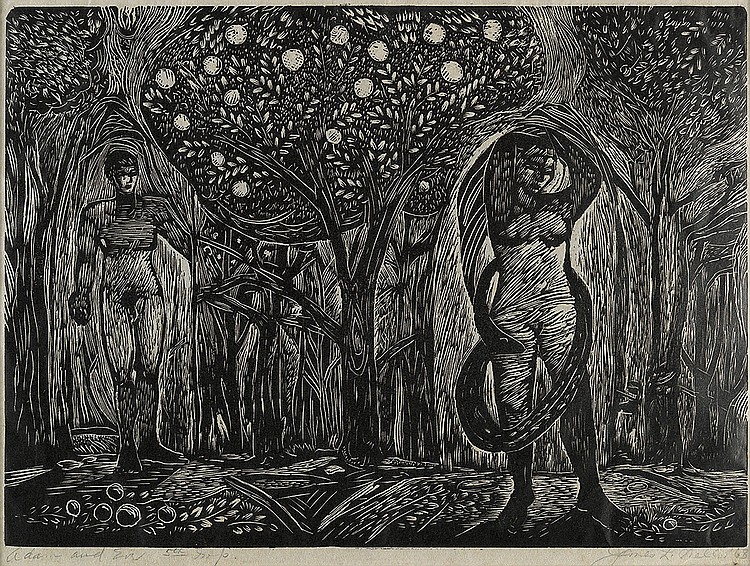
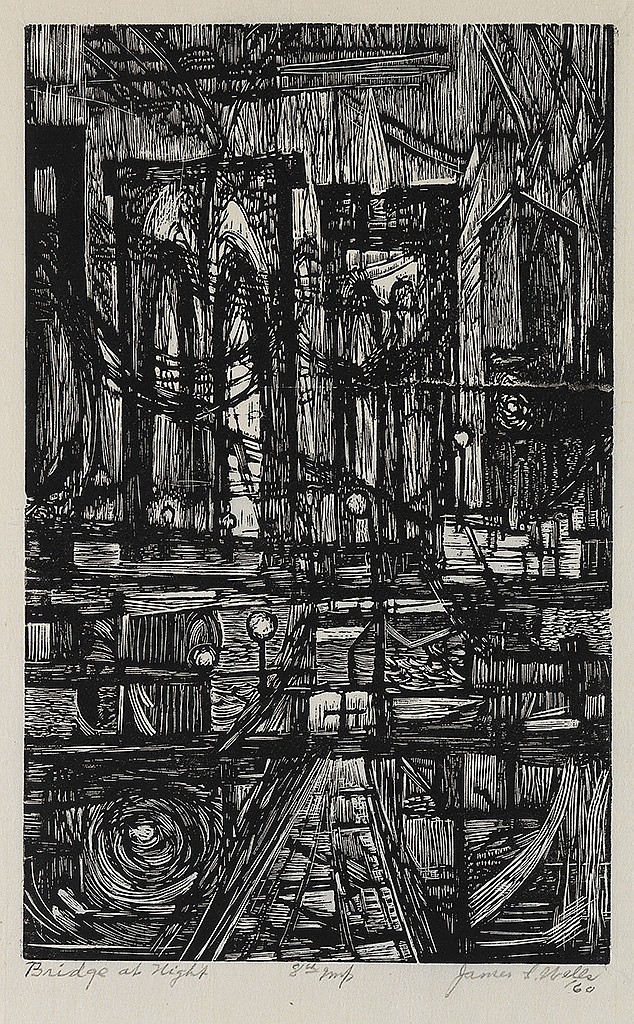
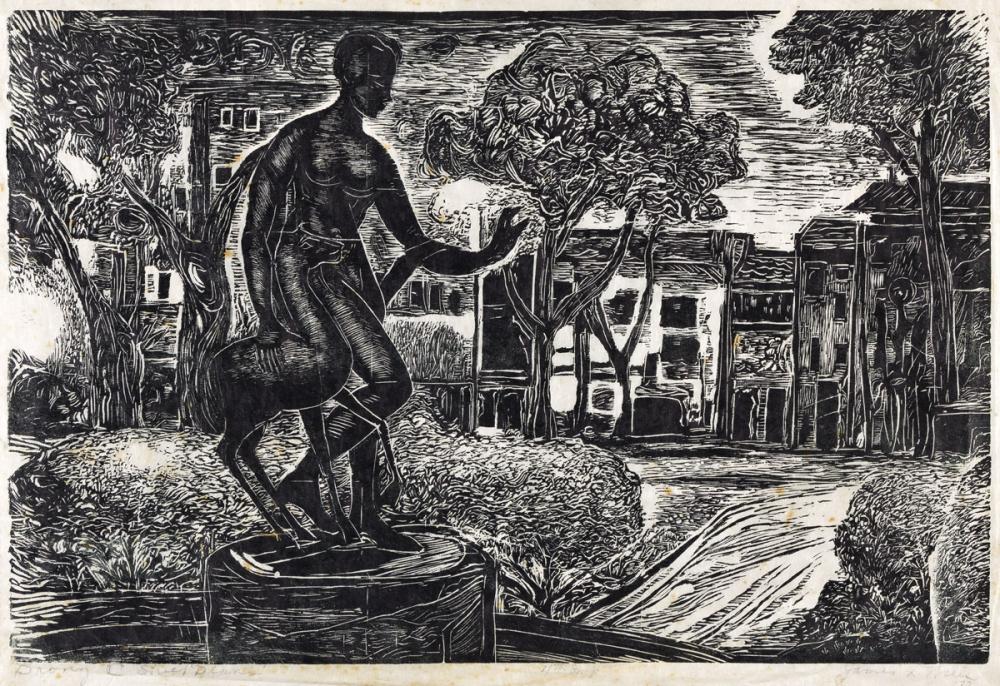
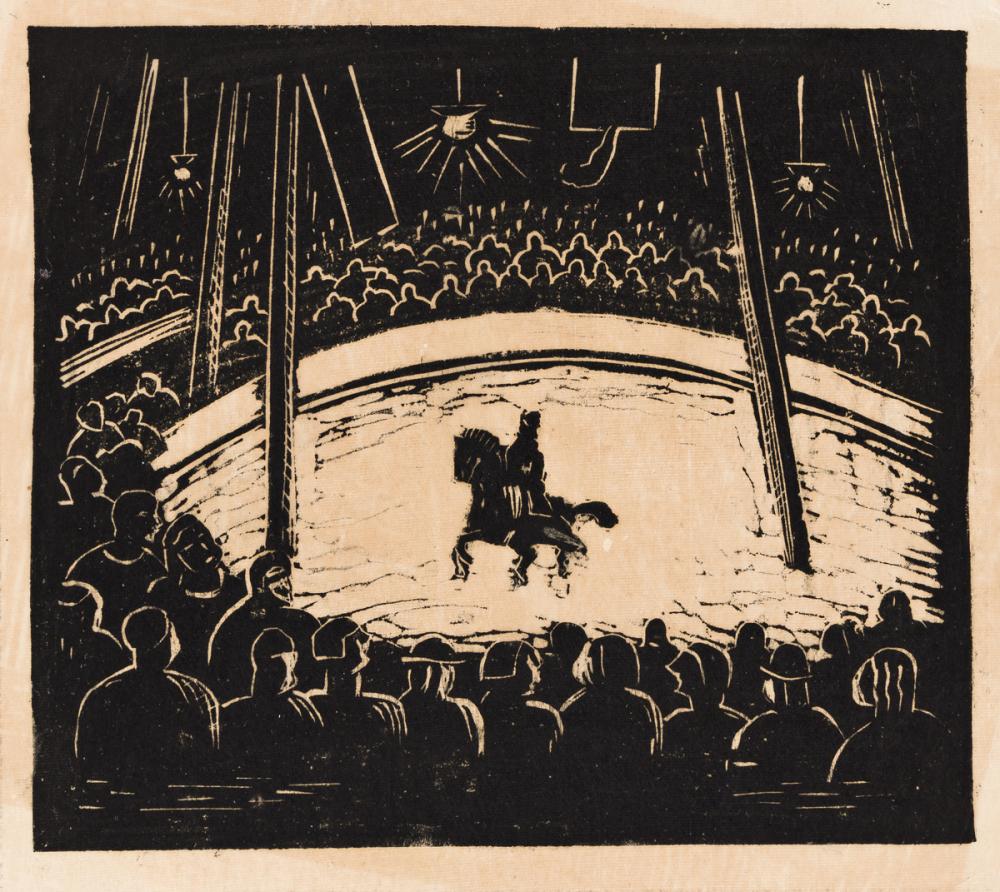
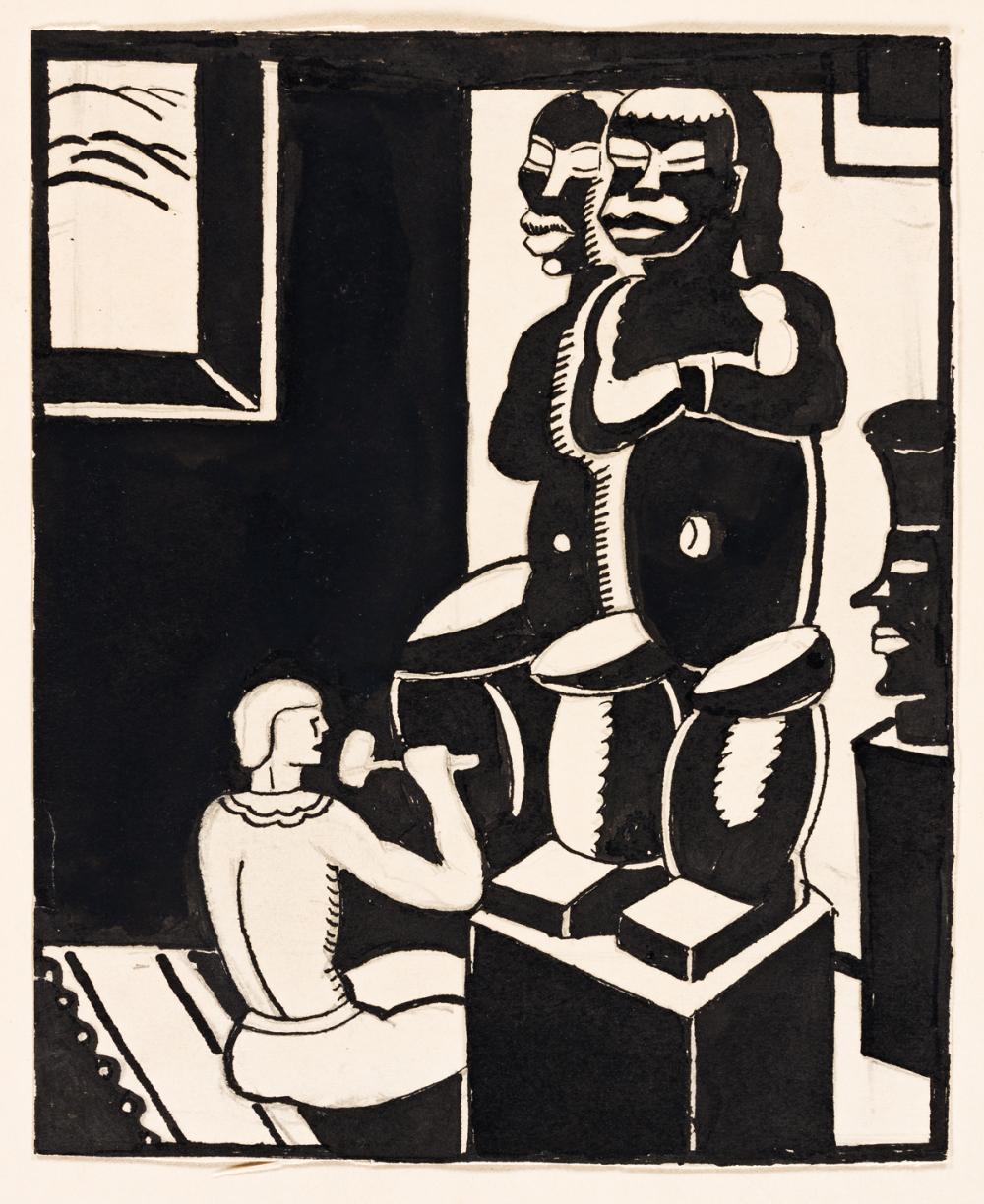
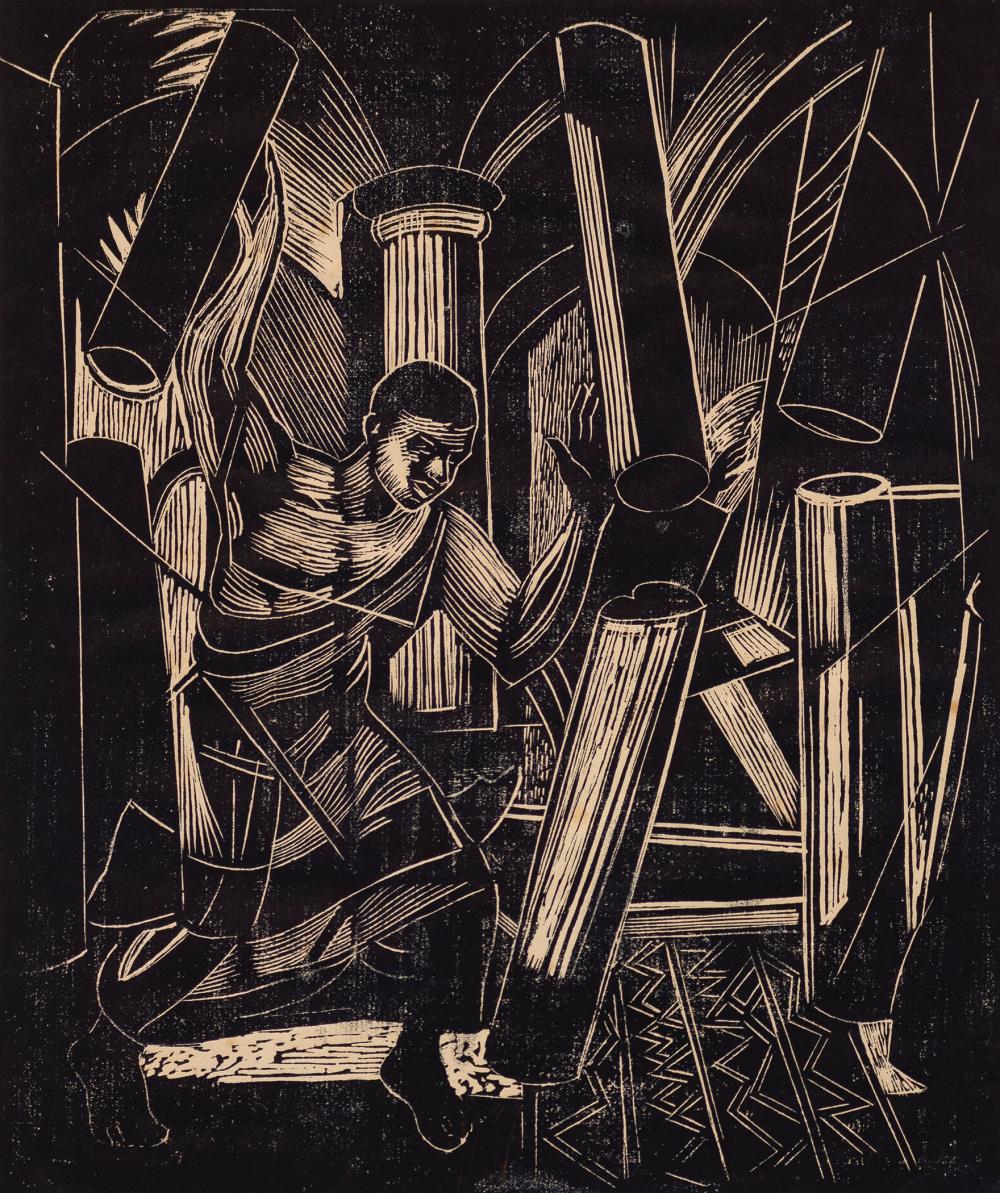
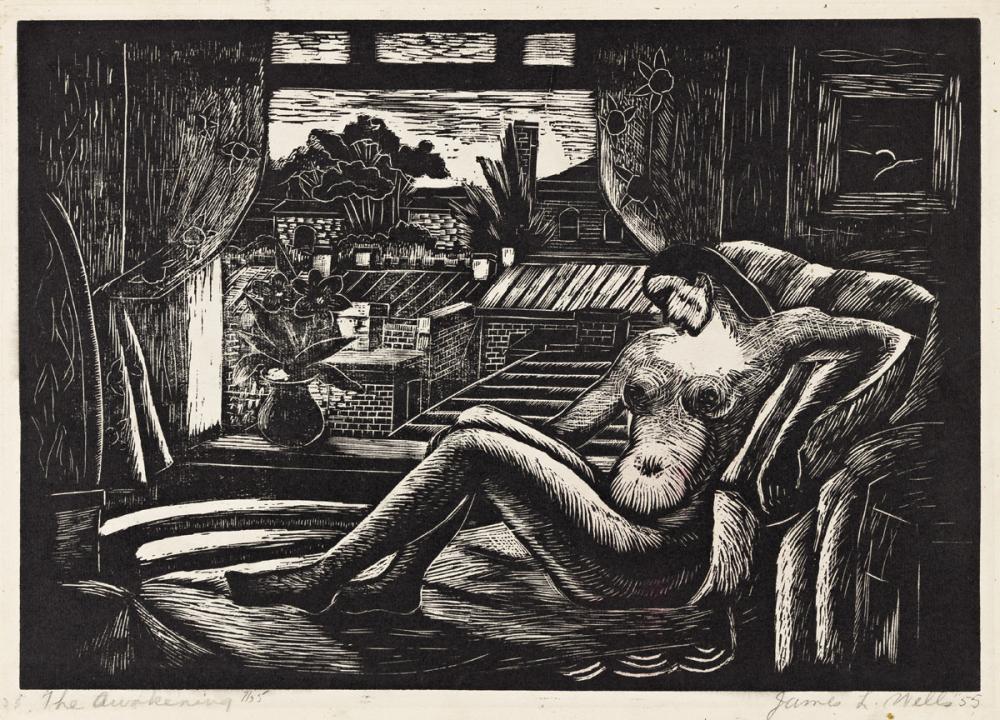
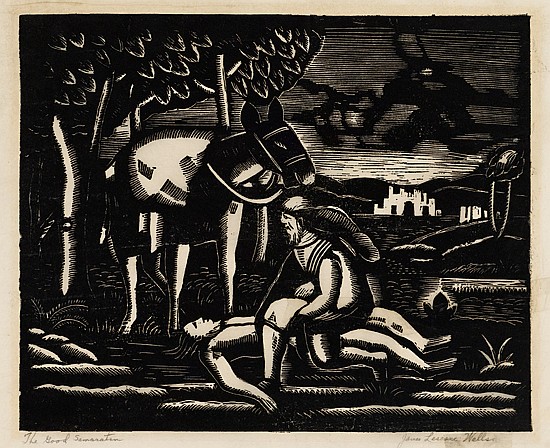
Wells studied at Lincoln University in Pennsylvania for a year before transferring to Columbia University in New York, where he majored in art. His exposure to an exhibition of African sculpture at the Brooklyn Museum of Art was an inspiration to him. At Columbia University, Wells studied under Millard Meiss and Arthur Wesley Dow. He recounts how these two men broadened his understanding and appreciation of both Western and Eastern art history. Unlike most of his contemporaries, he saw prints as a major art form. Wells was primarily a graphic artist, he worked with block printing, lithography and etching. He created graphic illustrations for books, journals, and other publications, including the illustrations for a poetry collection of Marianne Moore and history periodicals of the Association for the Study of Afro-American Life and History.
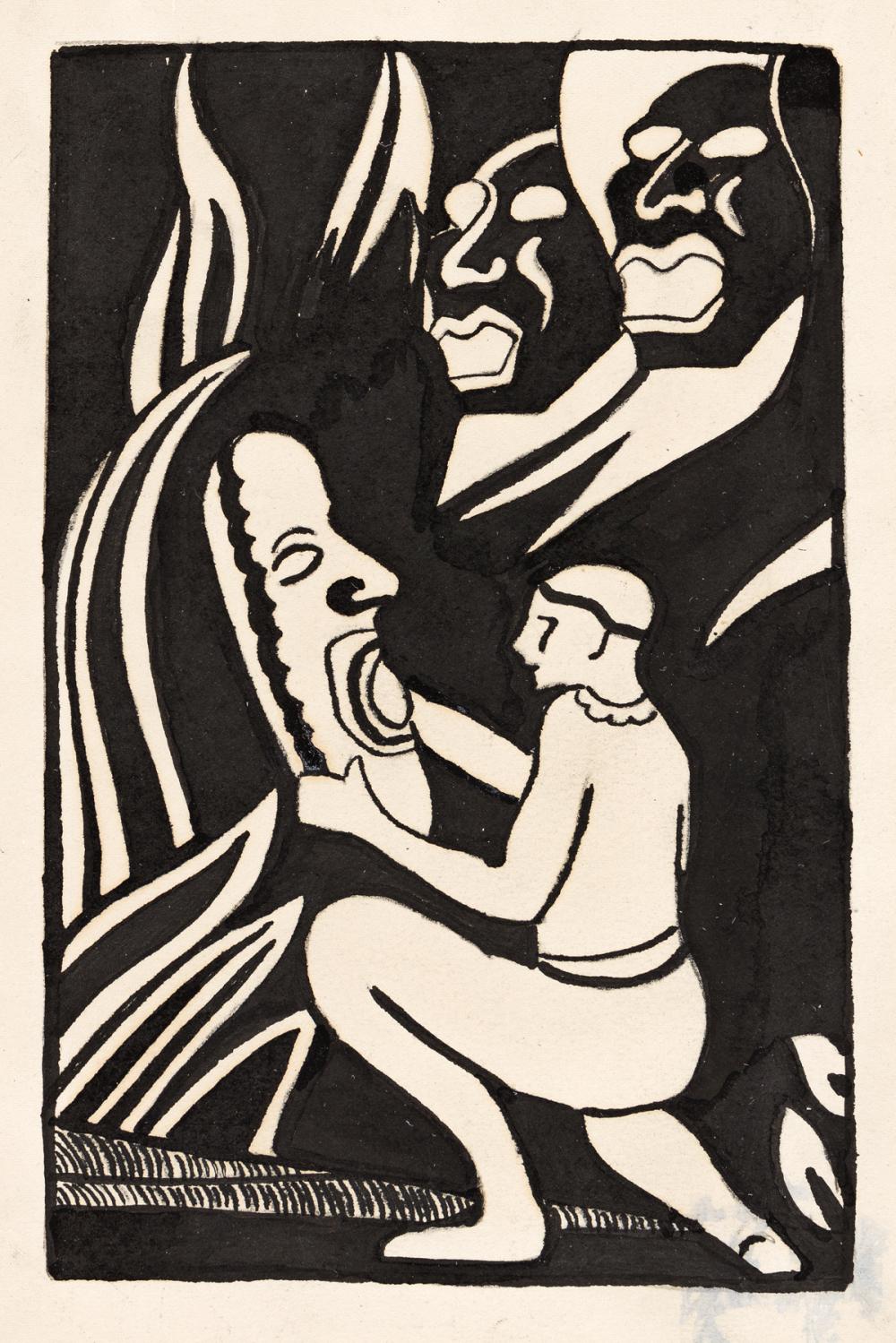
After graduation, Wells created block prints to illustrate articles and publications such as Willis Richardson’s “Plays and Pageants of Negro Life.” His work was included in an exhibition of “International Modernists” in April 1929 by J. B. Neumann, owner of the New Art Circle gallery. In 1929, he was hired by Howard University to teach crafts, ceramics, sculpture, and clay modeling along with metal and block printing. He taught clay modeling, ceramics, sculpture, metal and block printing. Two years later, Well convinced the University’s College of Fine Arts to offer classes in linoleum printmaking. Wells was known for his inventive and modern printmaking. He was an influential teacher and mentor to young artists during his career, including prominent sculptor Elizabeth Catlett.
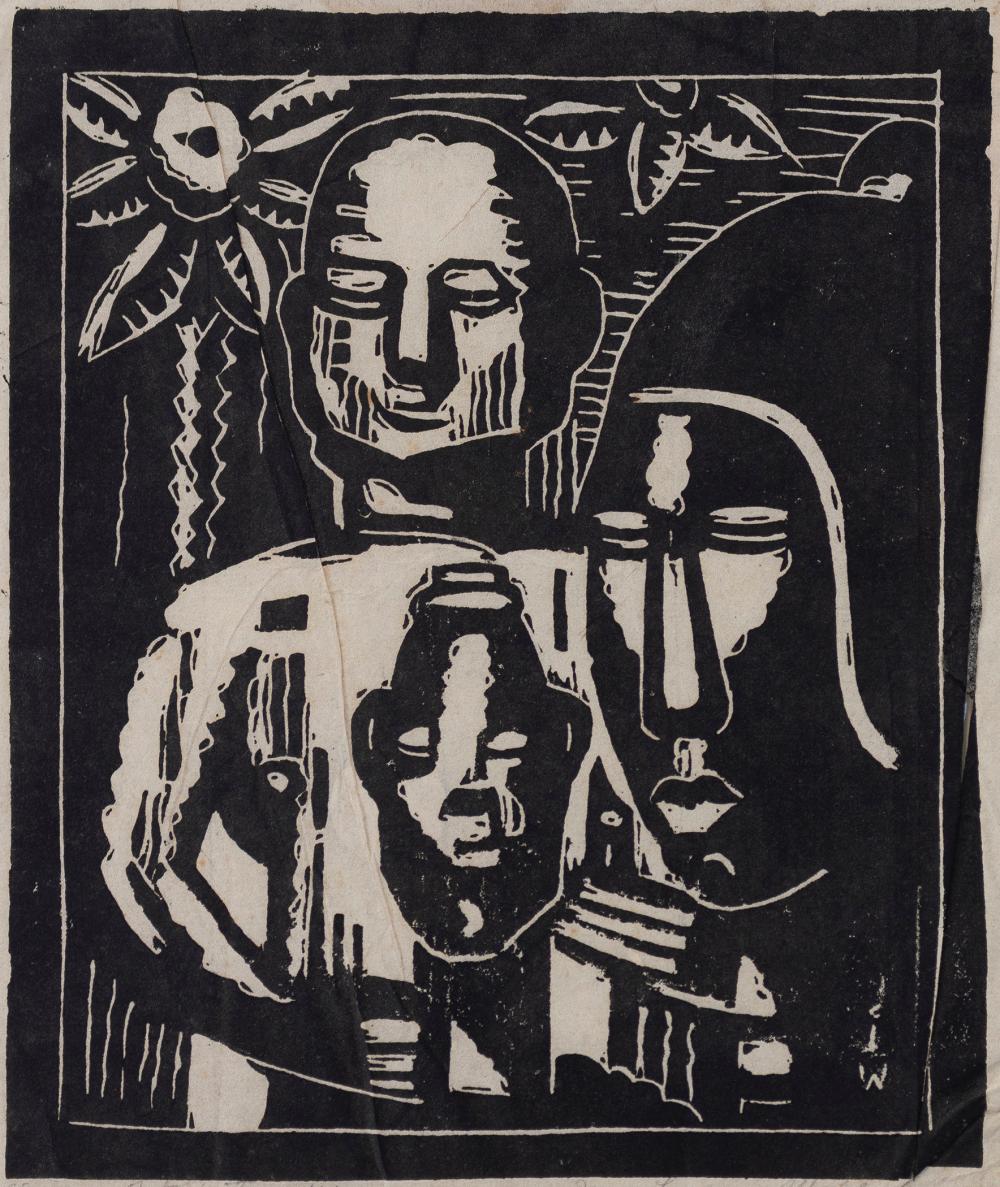
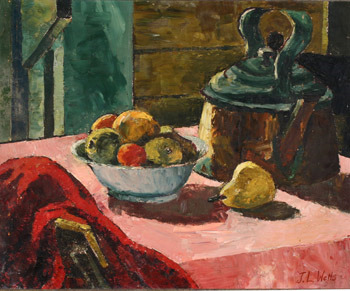
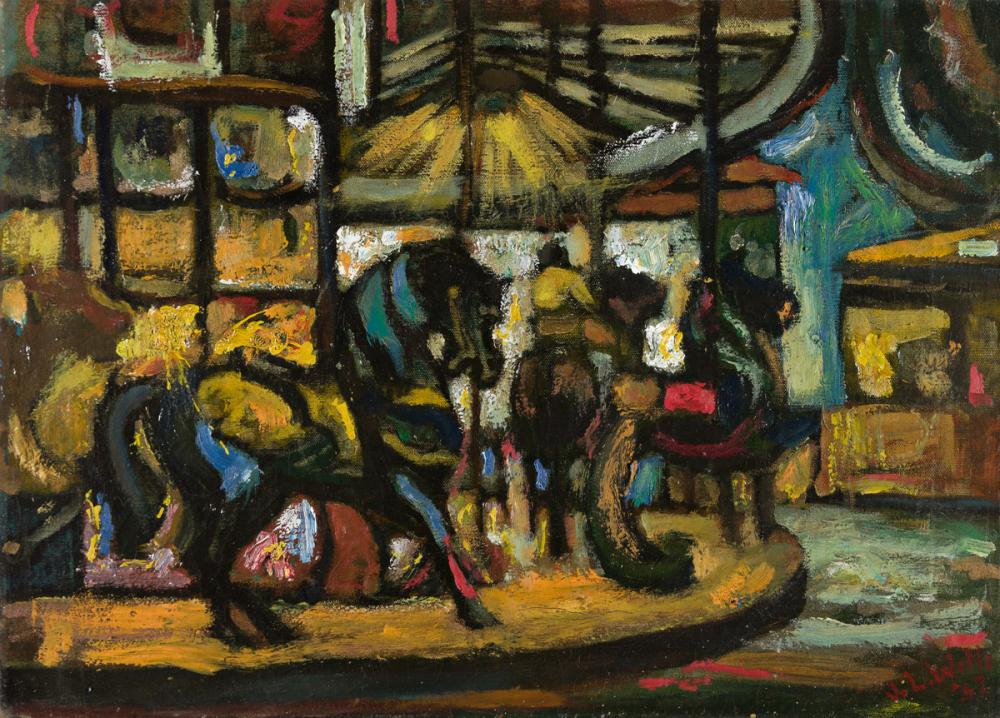
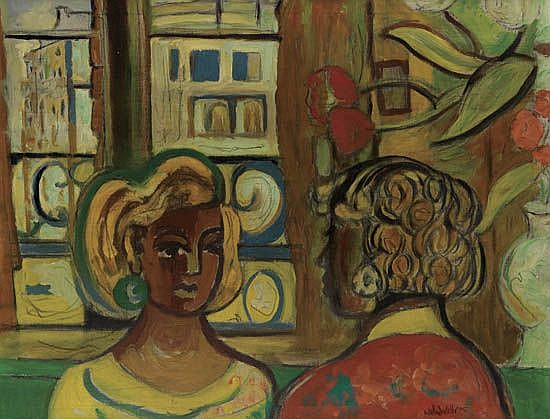
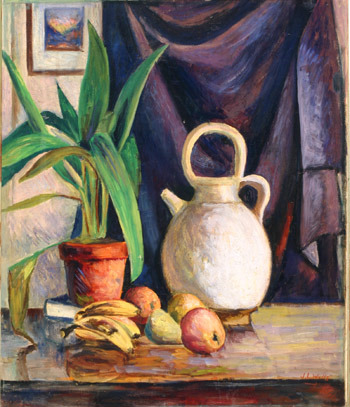
Simultaneously, Wells helped to found the Harlem Arts Workshop, which offered free art lessons to underprivileged children in Harlem. These students included Jacob Lawrence, Palmer Hayden, Aaron Douglas, Robert Blackburn, Romare Bearden, Charles Alston and Georgette Seabrooke. Wells sacrificed his own work for the education of his students. After 1931, Wells gained recognition as a painter. Many of his paintings were shown at the Phillips Memorial Gallery, included in the William Harmon Foundation traveling exhibitions, and exhibited in many museums and art galleries worldwide. His early work was inspired by German Expressionist woodcuts. He also was fascinated with abstract cubism and African sculpture.
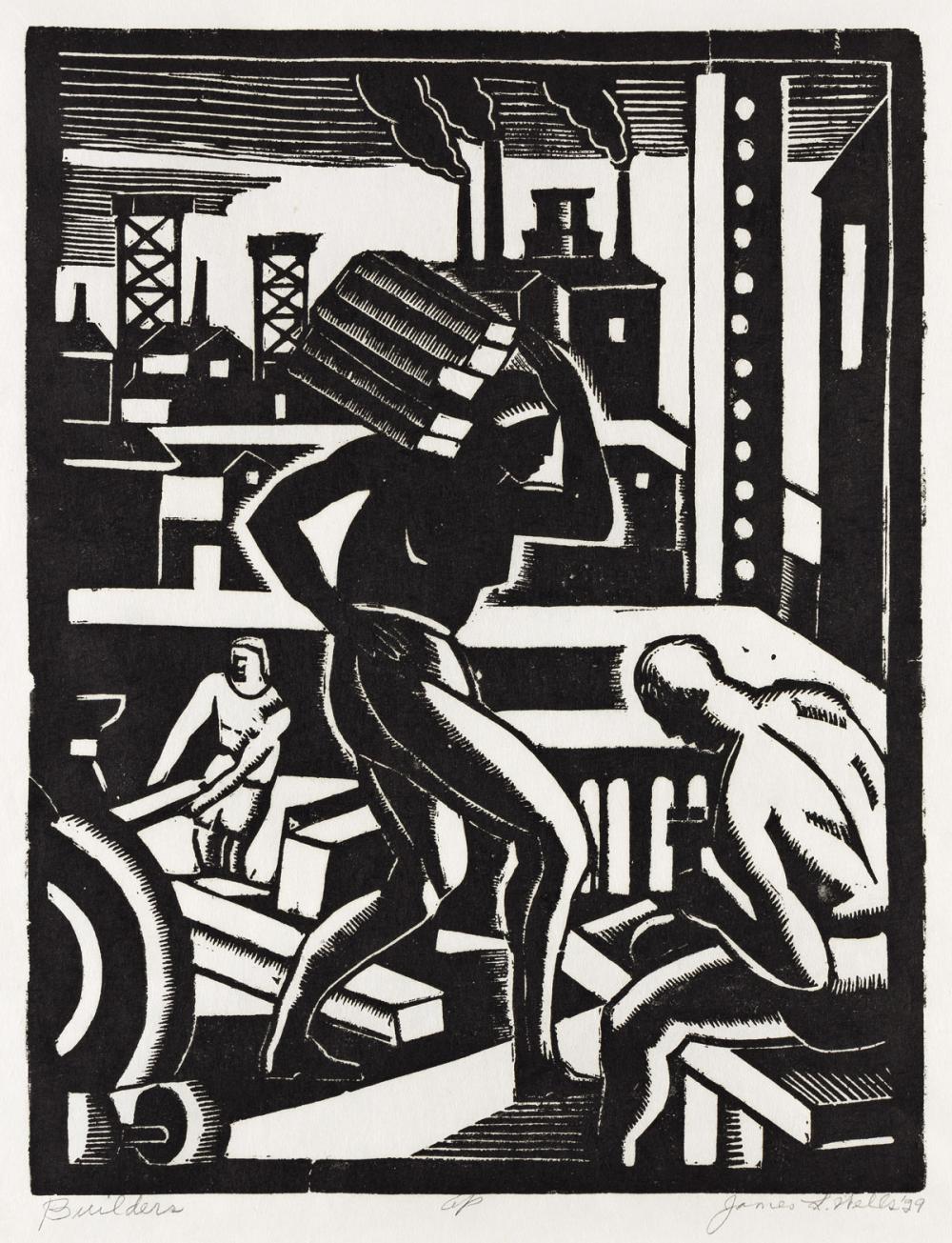
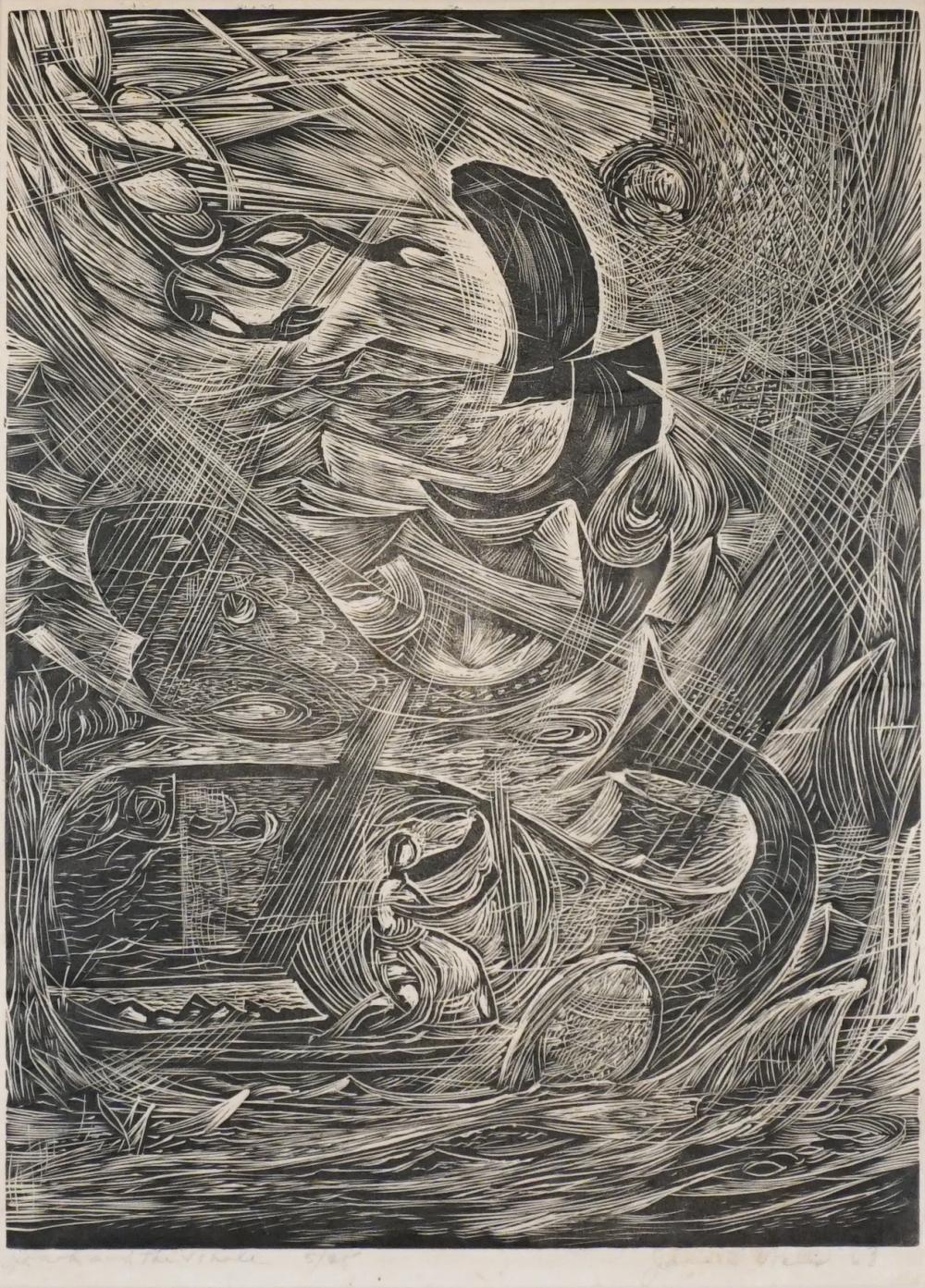
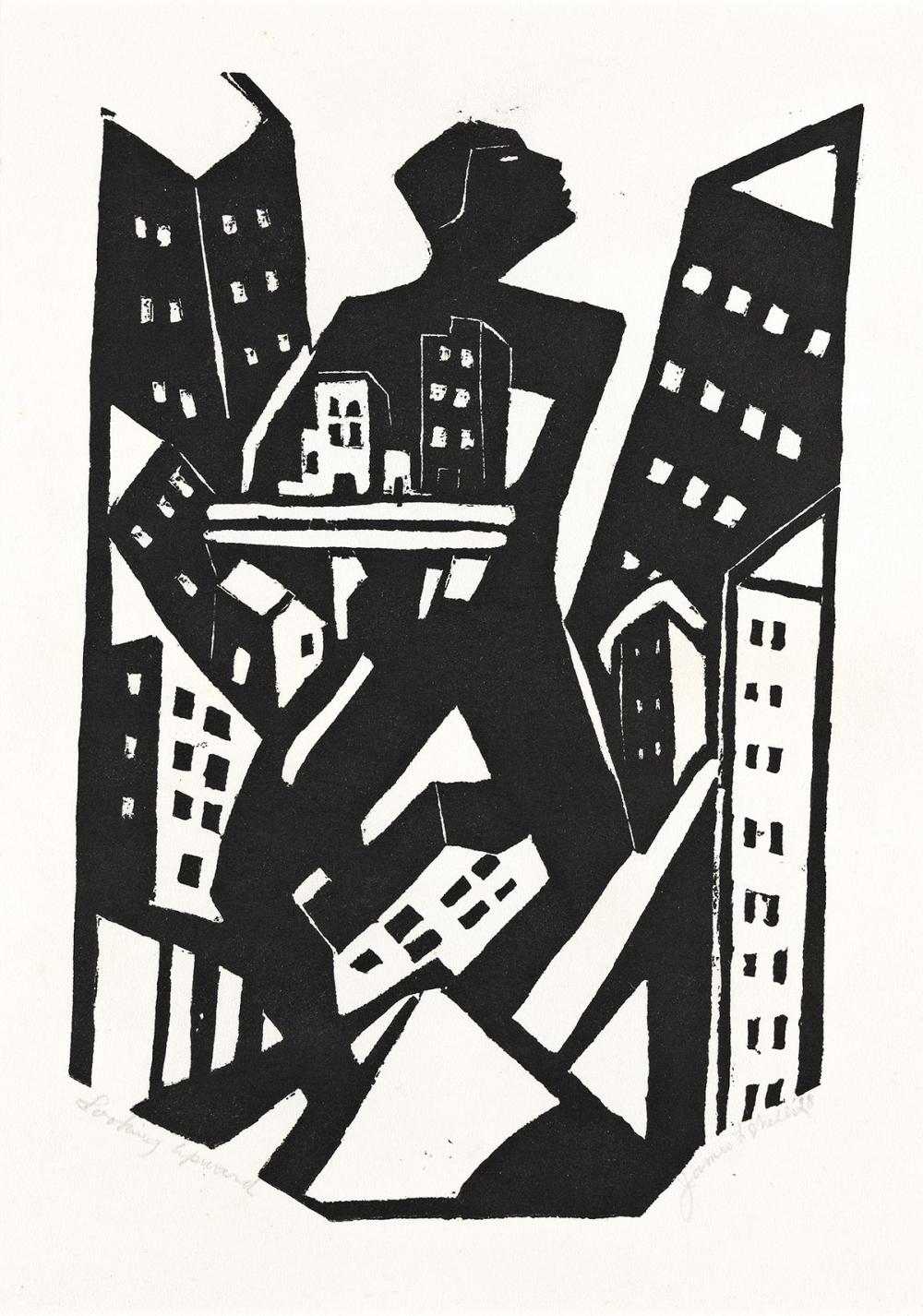
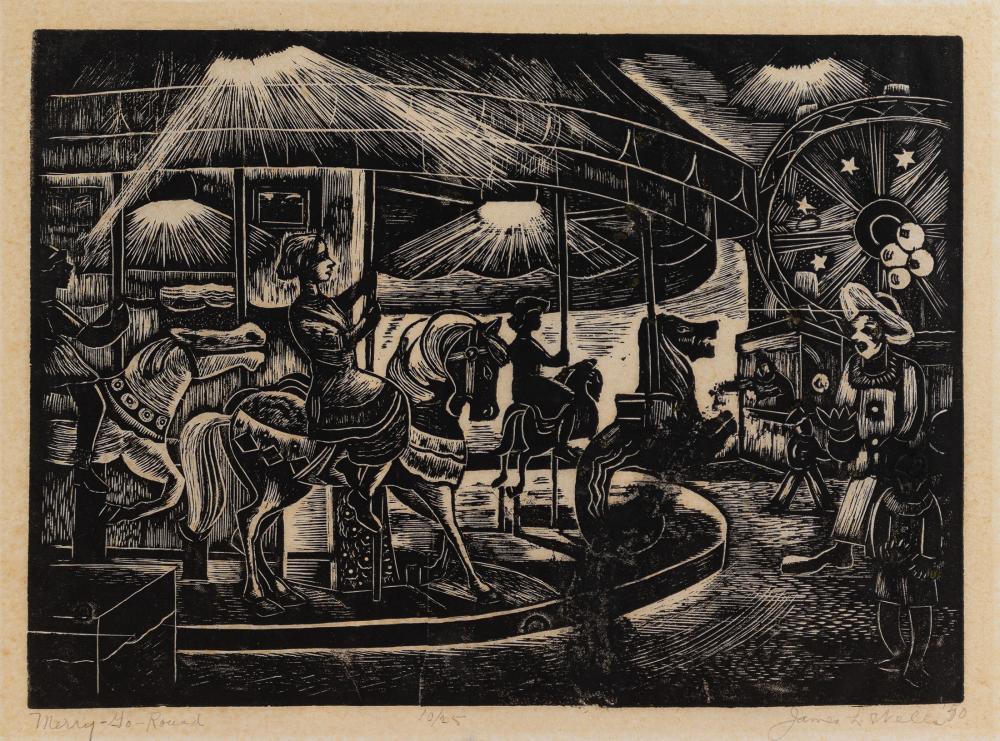
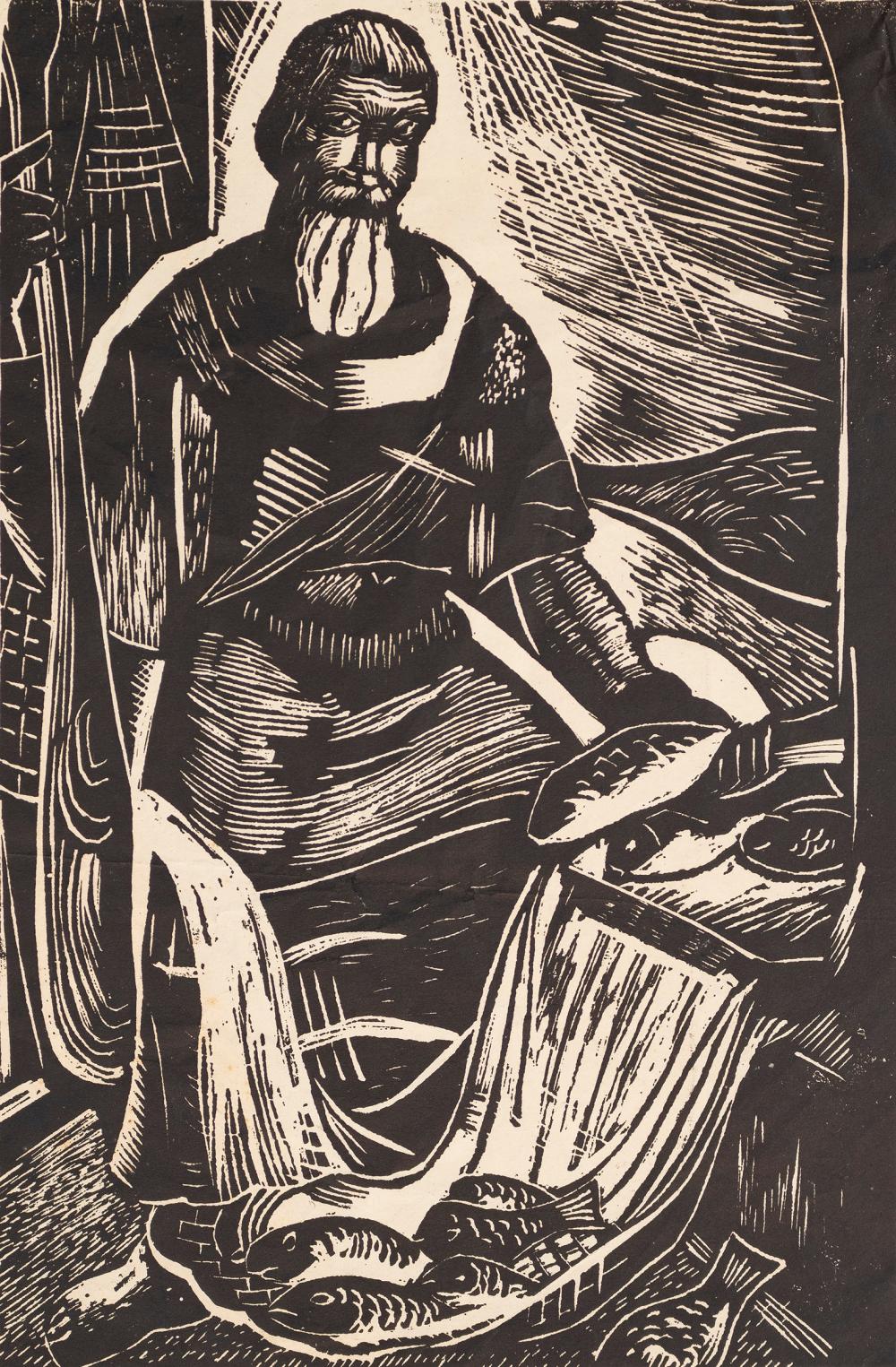
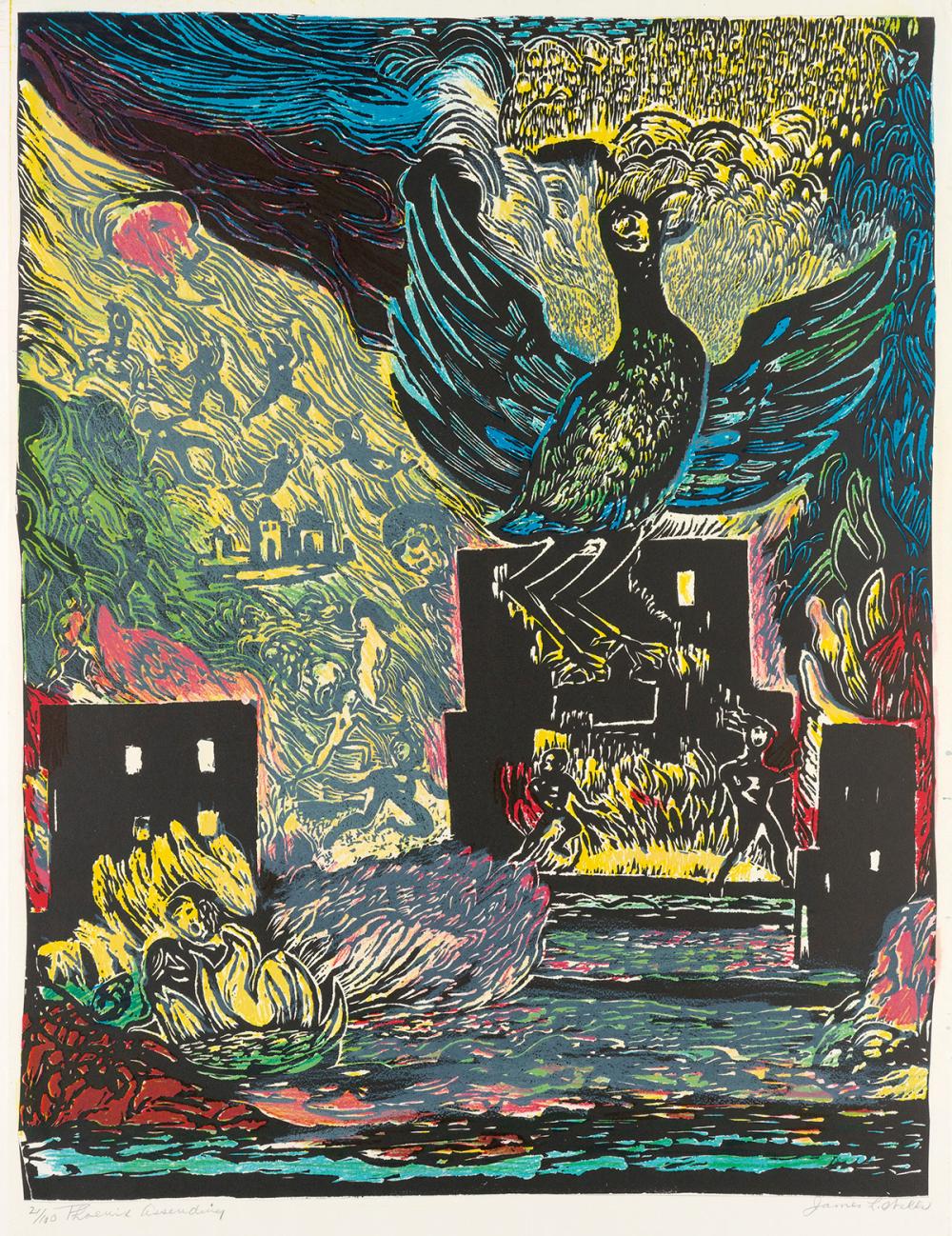
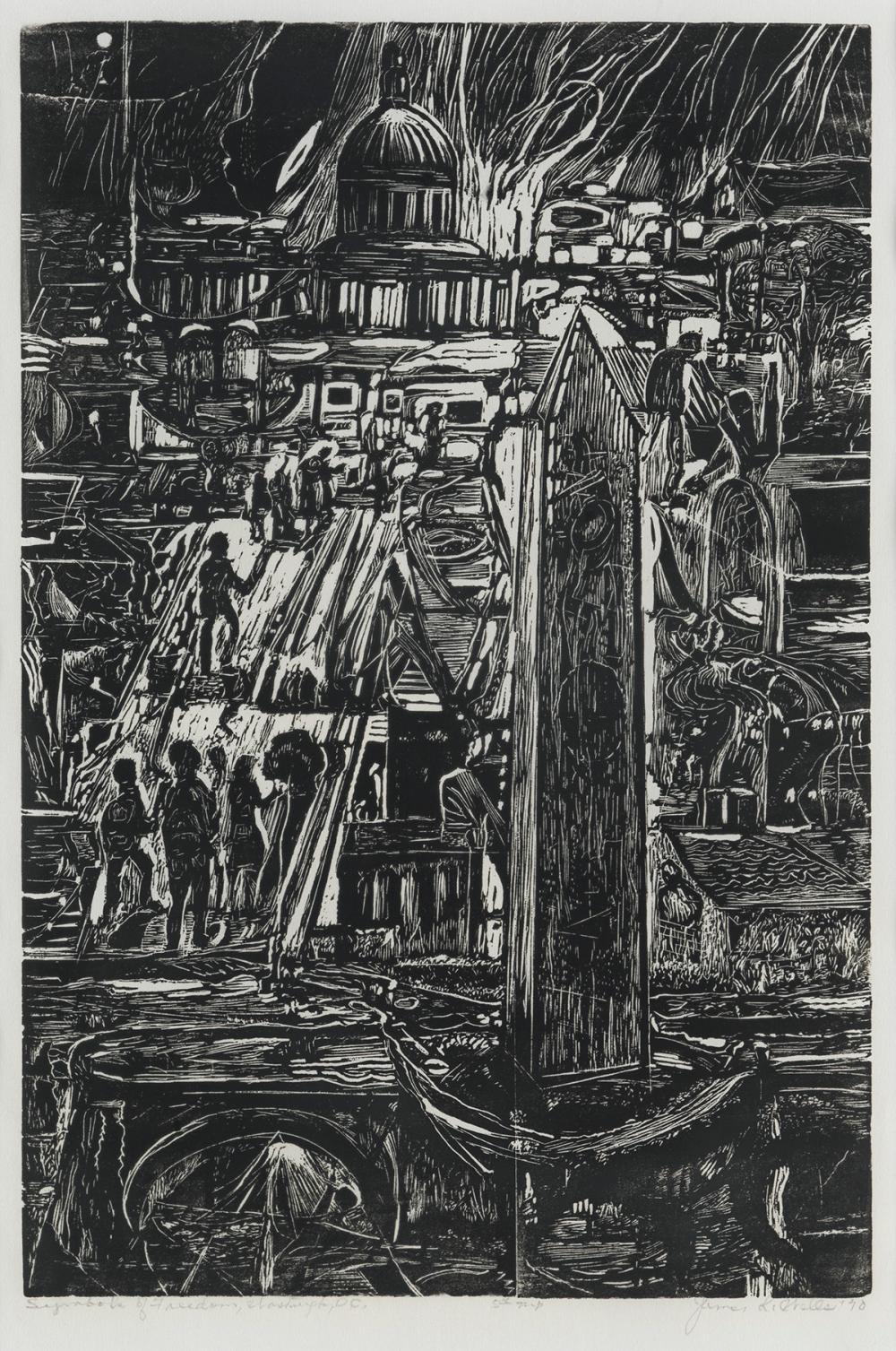
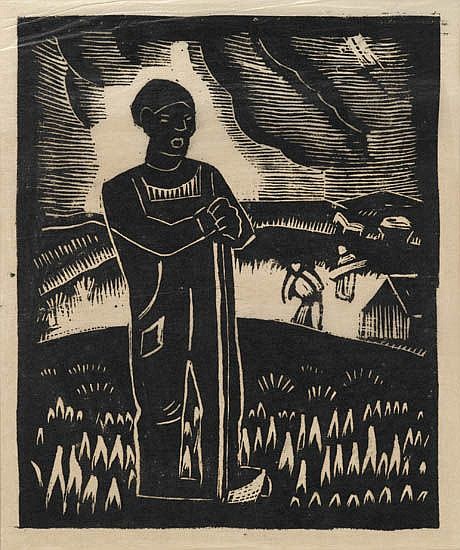
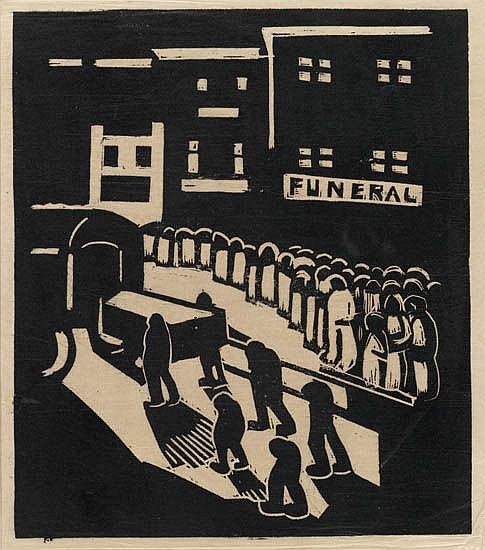
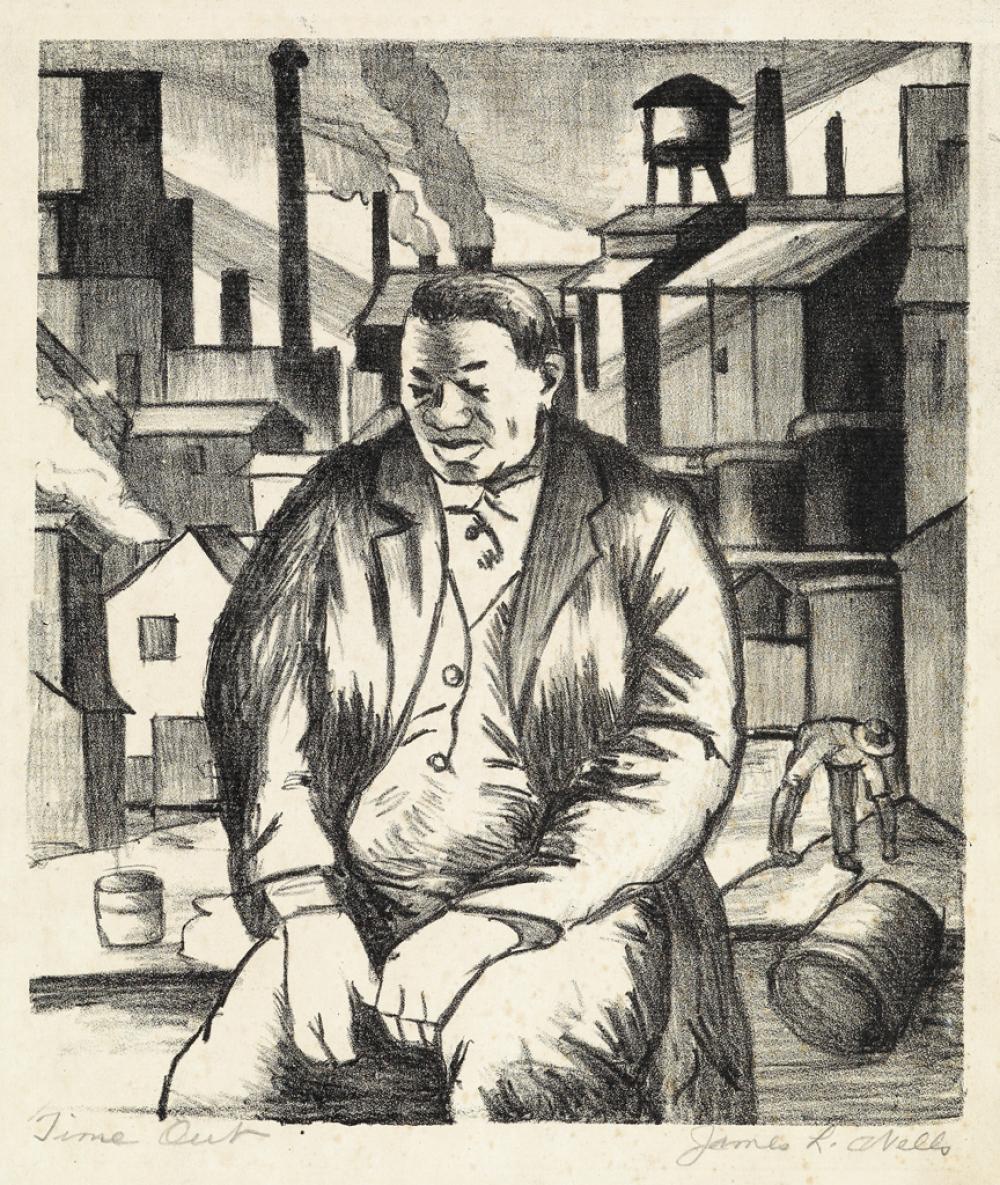
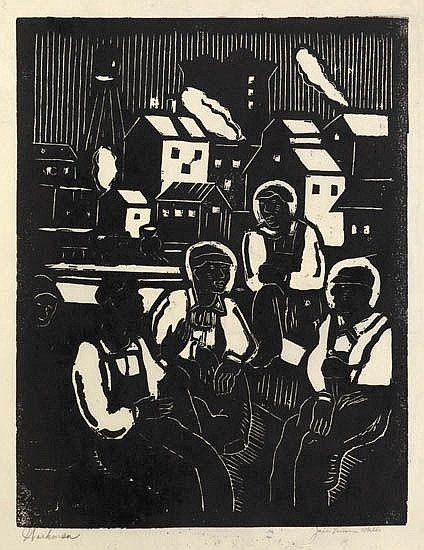
The fine arts serigraph was developed during the Great Depression by the Works Project Administration to make art more accessible to the masses. Prints were also seen as a way of communicating African-American history and concerns. Therefore, between 1933-1934 Wells decided to devote himself almost exclusively to printmaking. From that point on, he created art that was reproducible: lithographs, woodcuts and etchings. His new work reflected his interest in the African-American experience, and often portrayed workers from all cultures and ethnicity. Printmaking became his passion. Wells was an innovator in the field of printmaking. Though many of his peers saw little value in this art form, Wells nonetheless made a name for himself during the Harlem Renaissance.
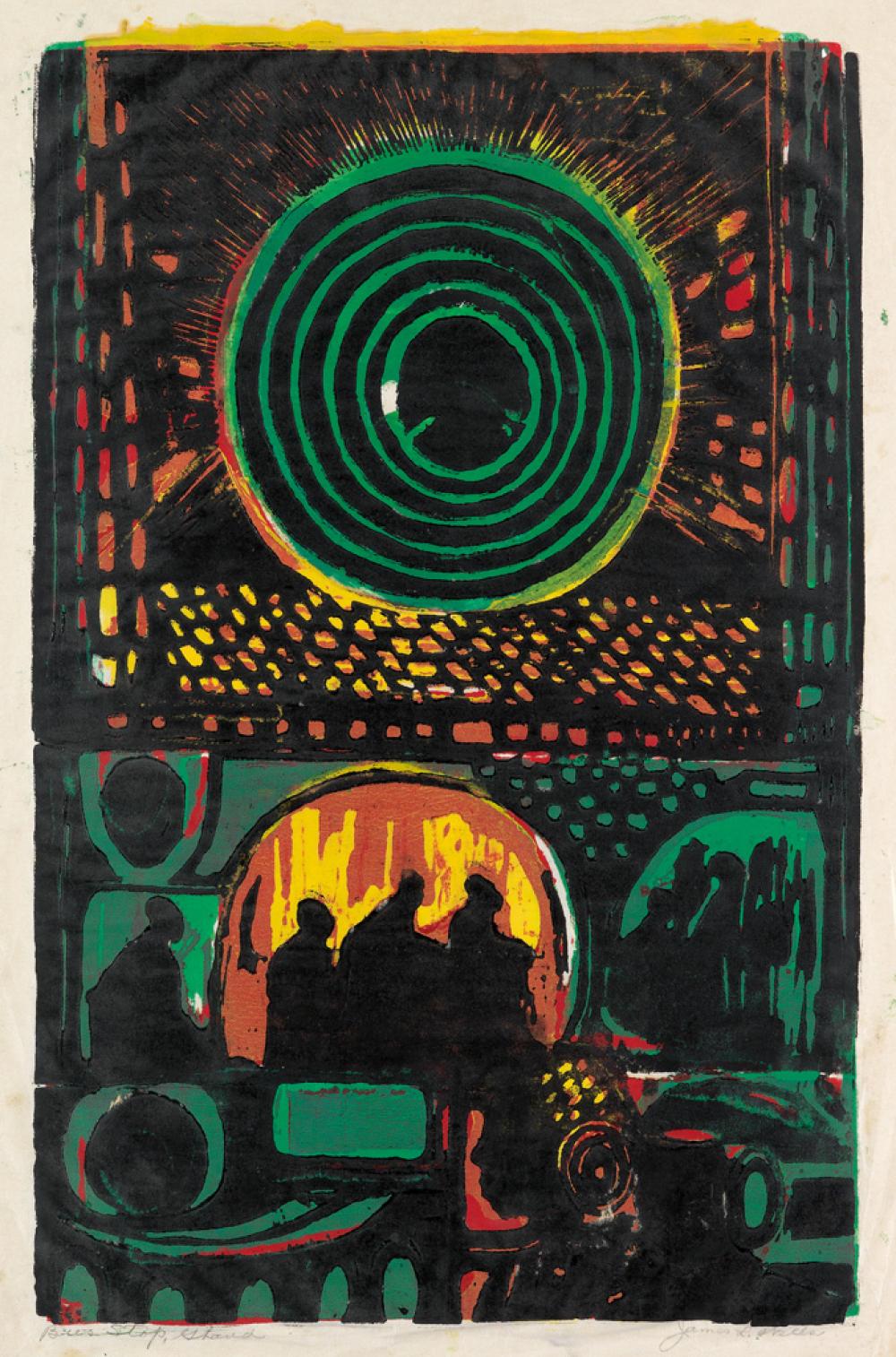
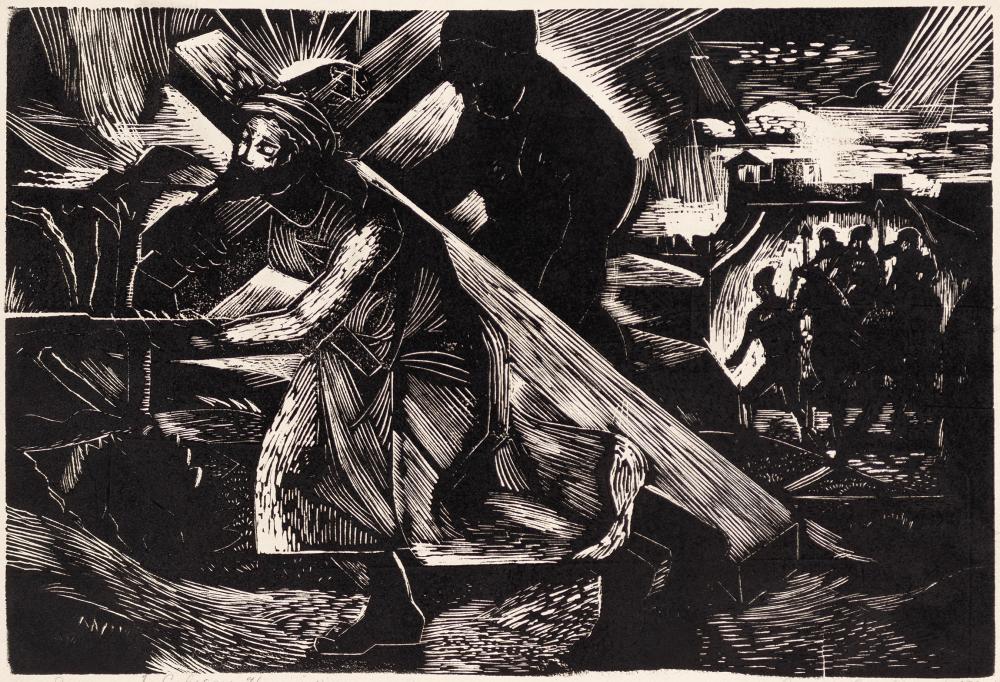
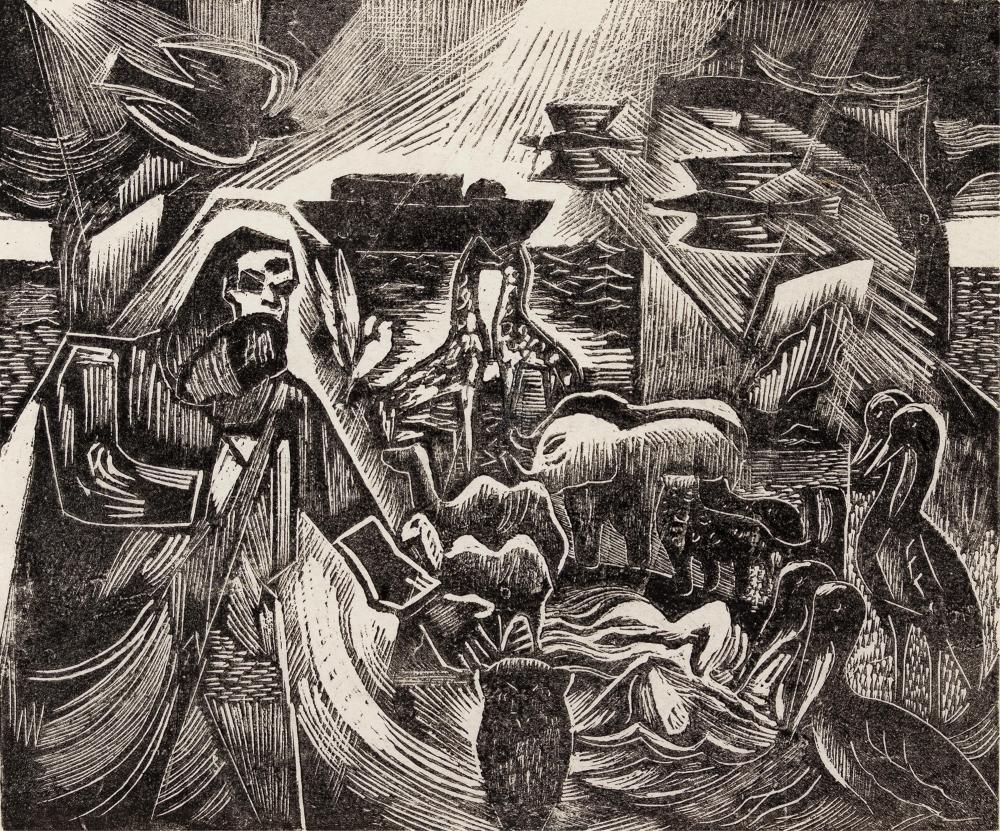
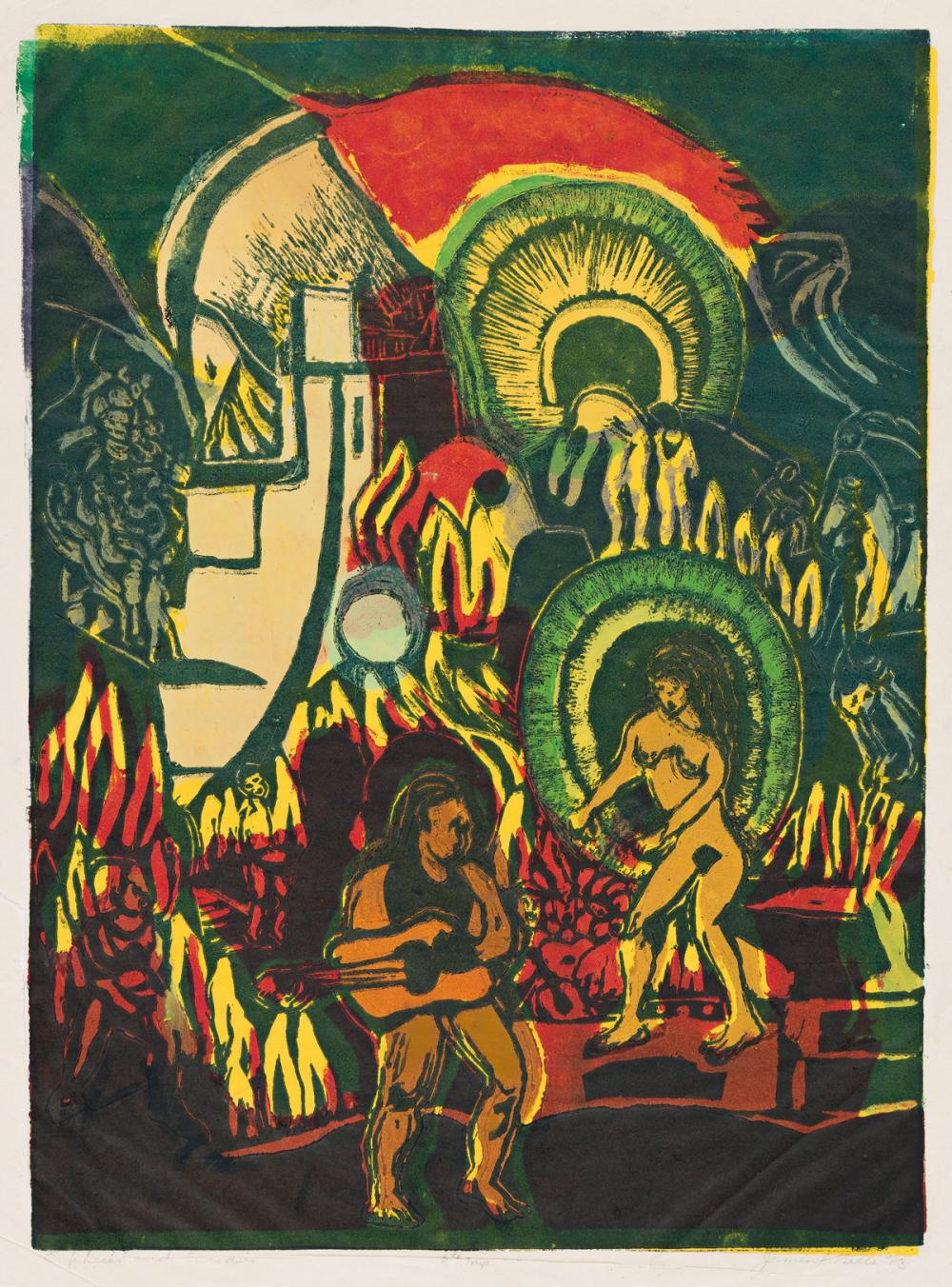
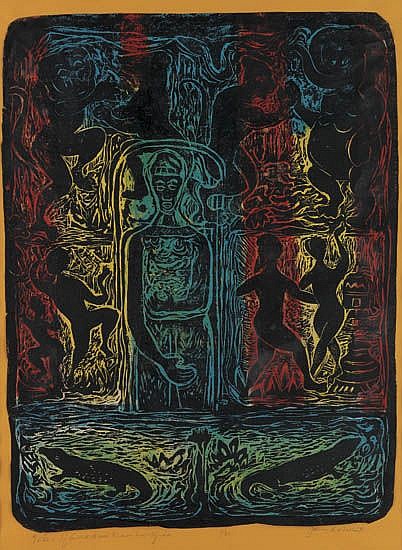
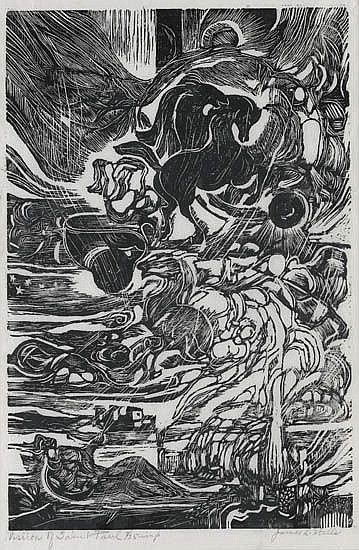
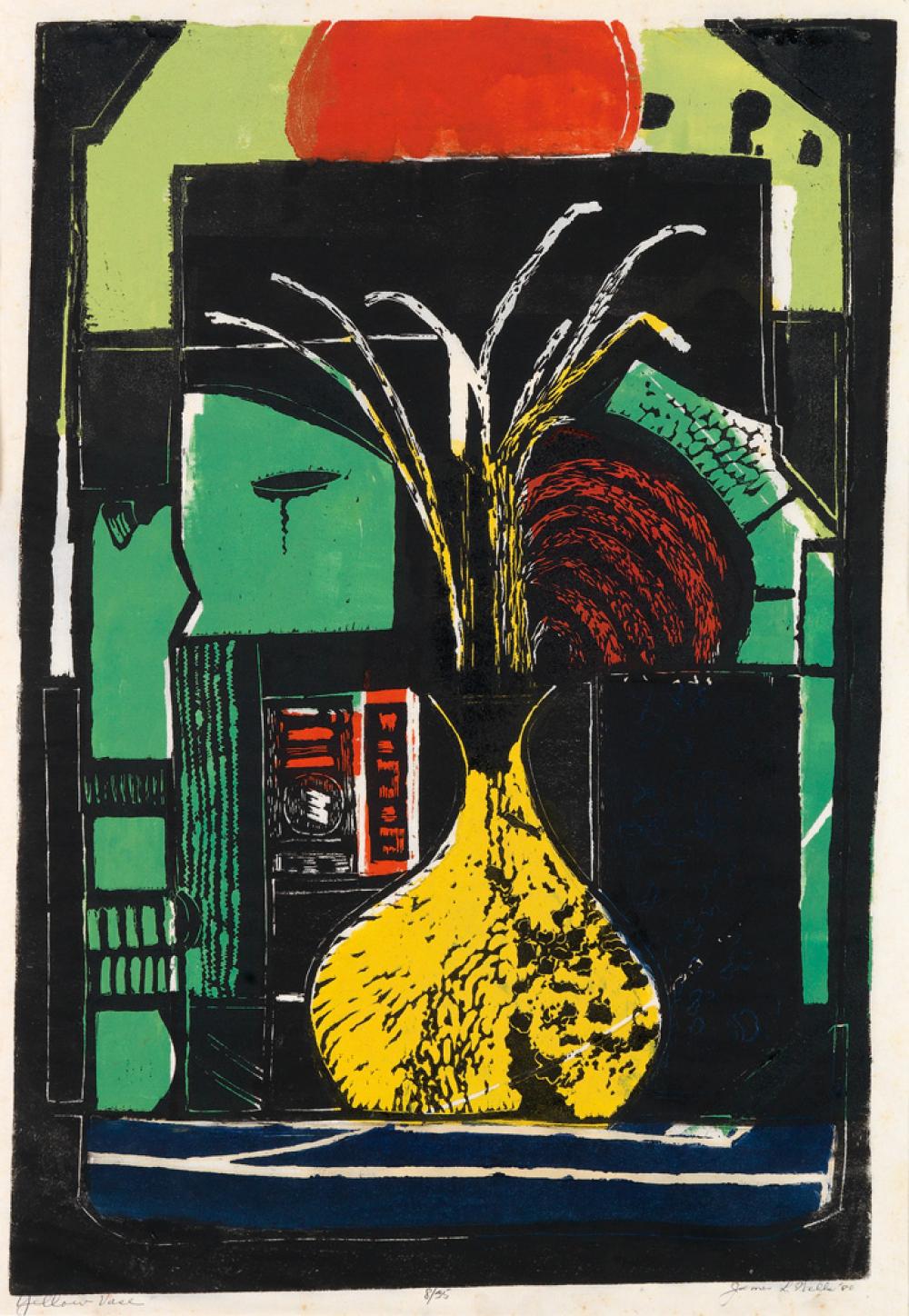
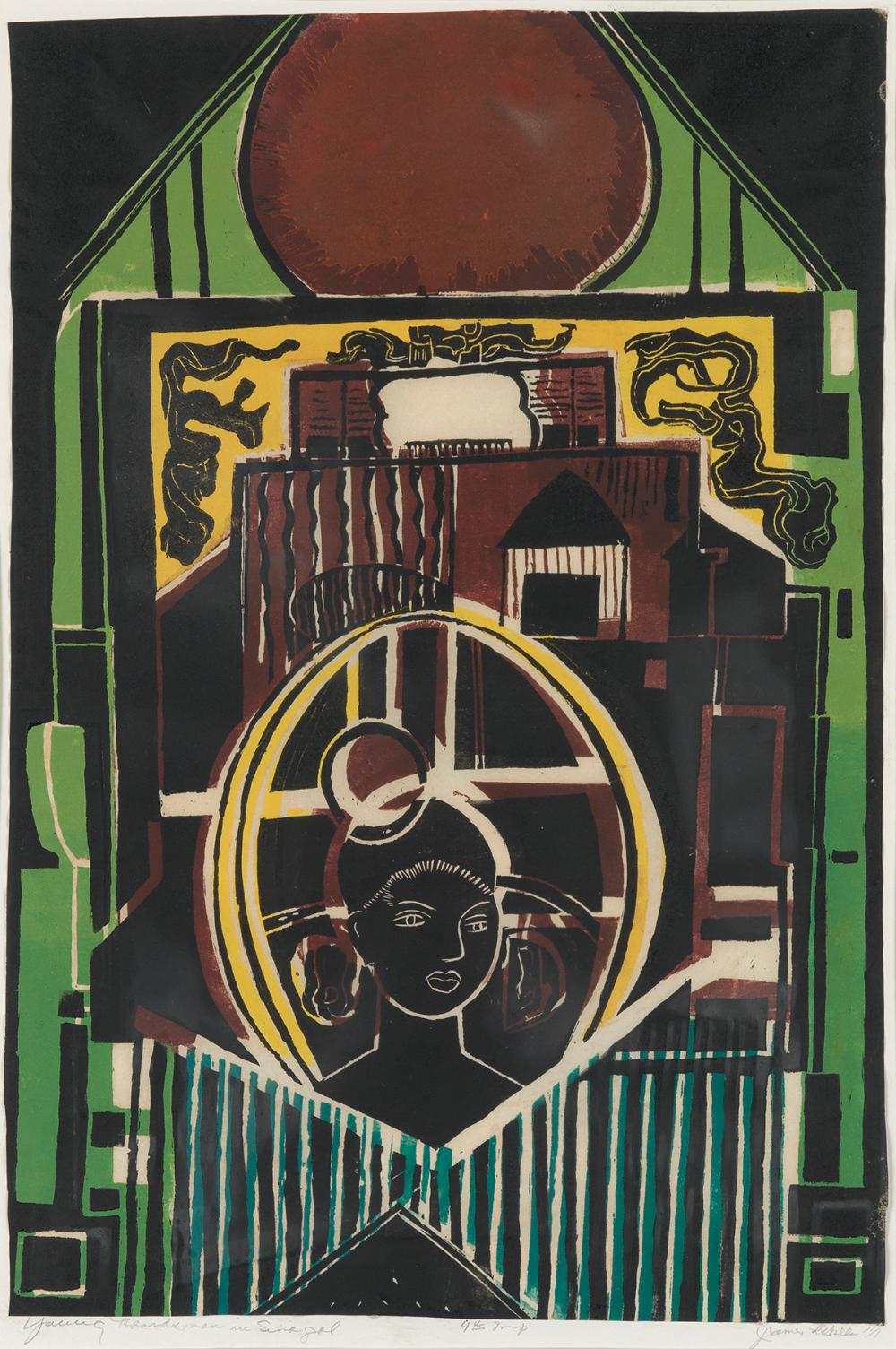
One of Wells’s strongest supporters was Alain Locke, author of “The New Negro and Negro Art: Past and Present.” When Wells’s “The Entry in Jerusalem” and “The Ox-Cart” were purchased by the Phillips Collection in Washington, D.C., Locke wrote that “his inclusion in one of the most authoritative chosen collections of modernist art in the country ranks Wells as an ultra-modernist and a successful one.” Early prints by Wells show the exaggerated forms of the Expressionists. These prints also suggest the abstraction and flattening of African and Japanese prints, of which Wells and other Expressionists were also in dialogue with. Color linoleum prints became his specialty. Just as he pushed his students to experiment, Wells himself never settled into a stylistic comfort zone. He looked across the globe and throughout history to expand his knowledge of art and his own artistic style.
After World War II, he spent a sabbatical year working in Stanley Hayter’s Atelier 17, the most innovative center for etching and printmaking in the country. During the 1950s and 1960s, he taught and won many art prizes. He continued teaching at Howard as well. As an activist, Wells joined his brother-in-law, Eugene Davidson, president of the local National Association for the Advancement of Colored People (NAACP) chapter in Washington, D.C, in protesting segregation in lunch counters, stores, and the nearly all White police department and as a result, was often harassed. This persecution probably accounted for some of the religious themes in his work. Wells retired from Howard University in 1968 but continued to paint and make prints into his eighties.
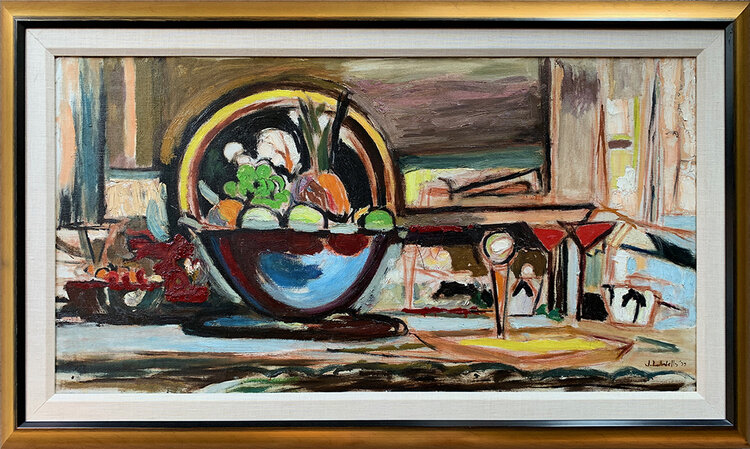
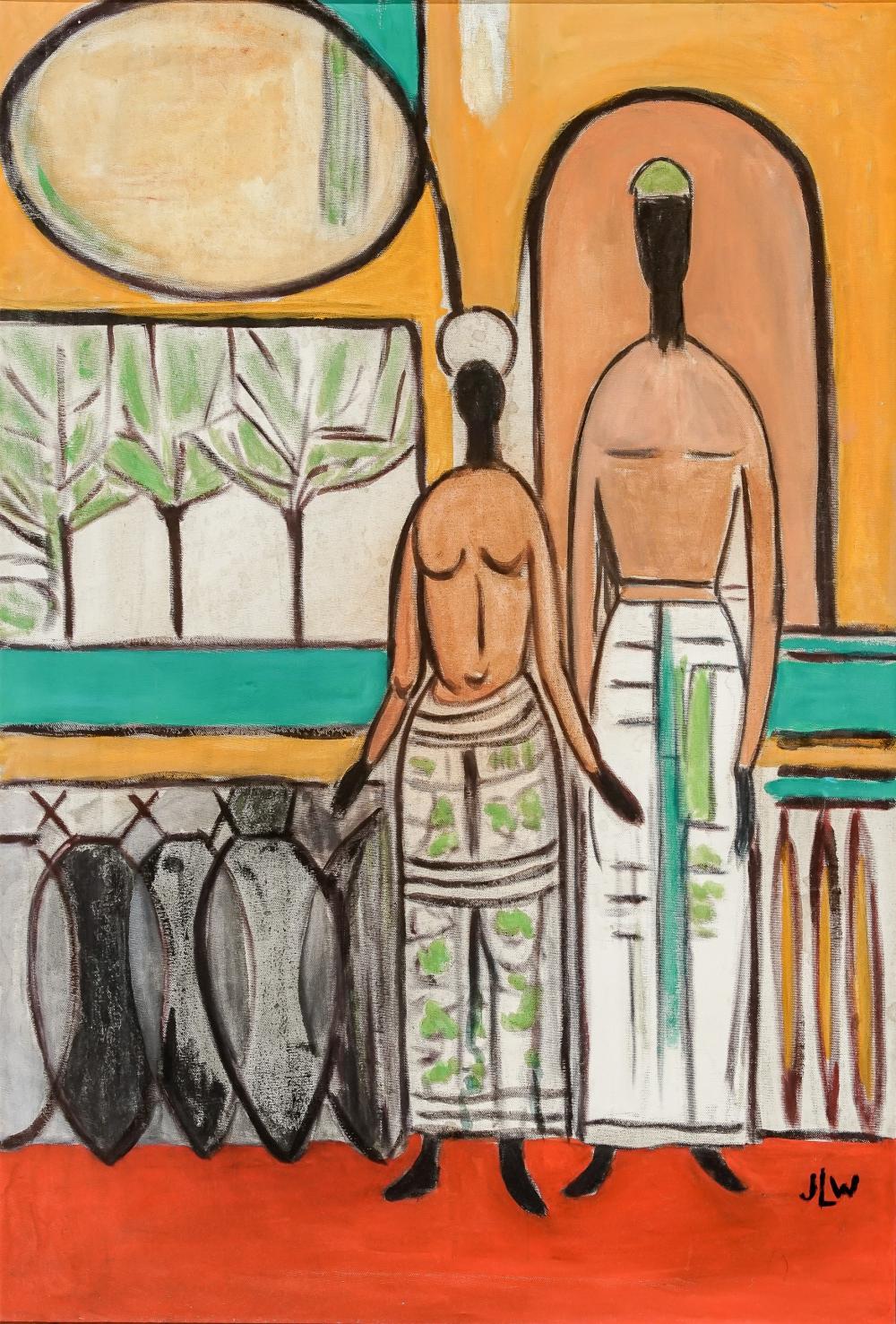
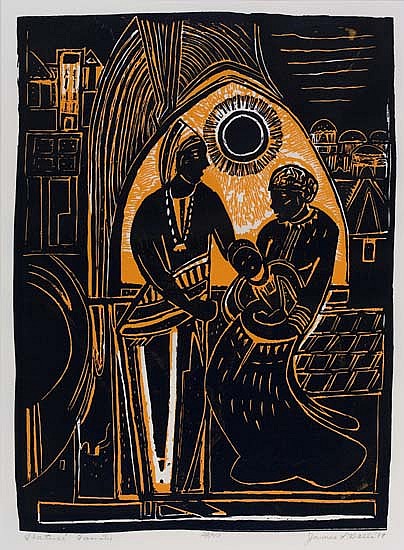
After retirement in 1968, Wells expanded on his use of color, drawing greater influence from the culture and textile patterns he saw while visiting Western Africa. In 1973, Fisk University mounted a James Lesesne Wells one man art exhibit and in 1986, the Washington Project for the Arts assembled another major exhibition of his work. James Lesesne Wells had an illustrious career as an art instructor at Howard University. While James Lesesne Wells’ name may not shine as brightly in textbooks and galleries, his presence is felt in the works of those all around him. In his field he stands out not only as an innovator, notably in the medium of white-line wood engraving, but as a teacher who influenced scores of younger artists. In January of 1993, at the age of 90, James Lesesne Wells passed away.