Charles Henry “Spinky” Alston was born on November 28, 1907, in Charlotte, North Carolina. Charles Alston was nicknamed "Spinky" by his father, and kept the nickname as an adult. He was an illustrator, painter, muralist, sculptor, as well as a teacher, mentor and organizer. As a child, Alston spent a great deal of time in North Carolina, where he cultivated an interest in the arts, sculpting forms from the red clay that surrounded him there. He received the art award in Grammar School and was actively involved in the arts throughout High School. The family relocated as many African-American families did during the Great Migration to New York. Charles continued to spend the summers in North Carolina until he was fifteen.
Alston attended DeWitt Clinton High School, where he was nominated for academic excellence and was the art editor of the school's magazine, The Magpie. In high school he was given his first oil paints and he studied drawing and anatomy at the Saturday school of the National Academy of Art. After graduating in 1925, he attended Columbia University, turning down a scholarship to the Yale School of Fine Arts. During his time at Columbia, Alston joined Alpha Phi Alpha, worked on the university's Columbia Daily Spectator, and drew cartoons for the school's magazine Jester. He also explored Harlem restaurants and clubs, where his love for jazz and Black music would be fostered.
Upon receiving his undergraduate degree in 1929, he was awarded the Arthur Wesley Dow Fellowship, enabling him to earn his Masters Degree in Fine Arts at Columbia's Teachers College. He began his career as a commercial artist working on book jackets, record covers and magazines. Alston was a successful commercial artist, working for leading magazines such as Fortune, Collier's, Mademoiselle and Men's Wear. Alston was introduced to African art by the "Father of the Harlem Renaissance", Alain Locke, in the late 1920s. Alston returned to Teachers College at Columbia in 1929, and his passion for mentorship led to a fruitful career as a professor. In 1931, he received his master’s degree from Columbia’s Teachers College.
Although Alston was on a different career path, he always had a love for art and painting. While obtaining his master's degree, Alston was the boys’ work director at the Utopia Children's House, started by James Lesesne Wells. Jacob Lawrence was one of his students at Utopia House. He also began teaching at the Harlem Community Art Center, founded by Augusta Savage in the basement of what is now the Schomburg Center for Research in Black Culture. In 1934, Alston co-founded the Harlem Art Workshop, a hub for African American artists and intellectuals in Harlem.
In 1935, he was named the first Black supervisor in the Federal Art Project. He directed the 35 artists that were assigned the task of designing and creating the WPA’s Harlem Hospital Murals, entitled “Magic and Medicine”. It was the first government commission ever awarded to an African American artist. He also had the chance to create and paint his own contribution to the collection: Magic in Medicine and Modern Medicine. "Magic in Medicine", which depicts African culture and holistic healing, is considered one of "America's first public scenes of Africa". When creating the murals, Alston was inspired by the work of Aaron Douglas, who a year earlier had created the public art piece Aspects of Negro Life for the New York Public Library.
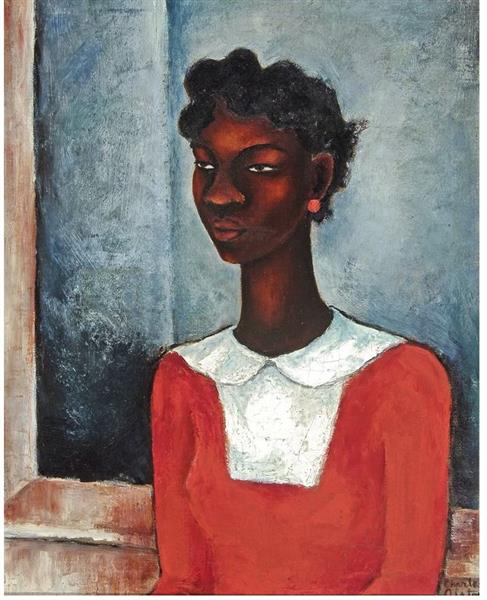
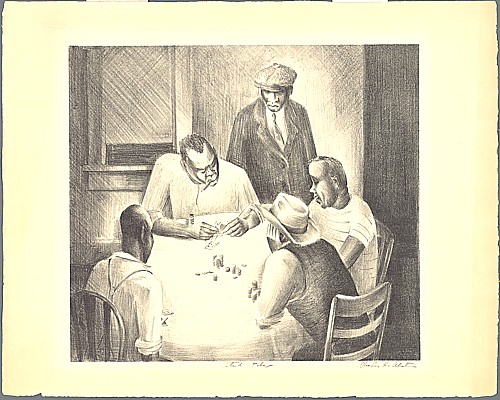
He also became an instructor at Pennsylvania State University, and later an associate professor in painting at the City University of New York. An influential artist and teacher, Alston received a 1938, Rosenwald Fund fellowship to travel to the South, which was his first return to the area since leaving as a child, to document Black culture. He traveled with Giles Hubert, an inspector for the Farm Security Administration. He provided access to certain situations that allowed Alston to photograph various aspects of rural life. These photographs served as the basis for a series of genre portraits depicting southern Black life.
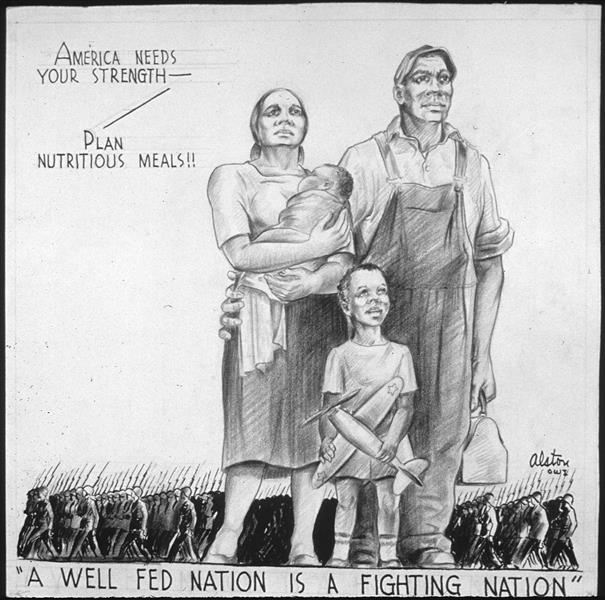
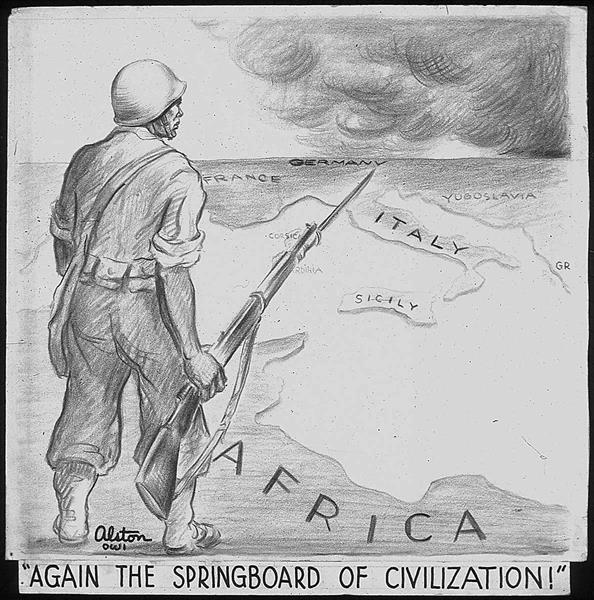
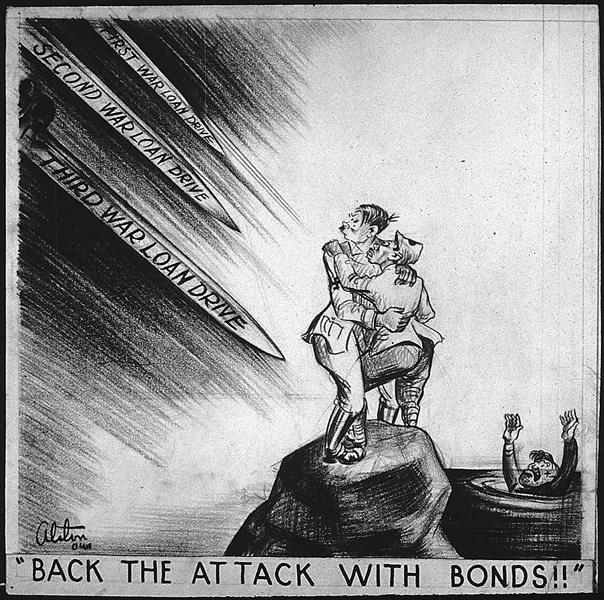
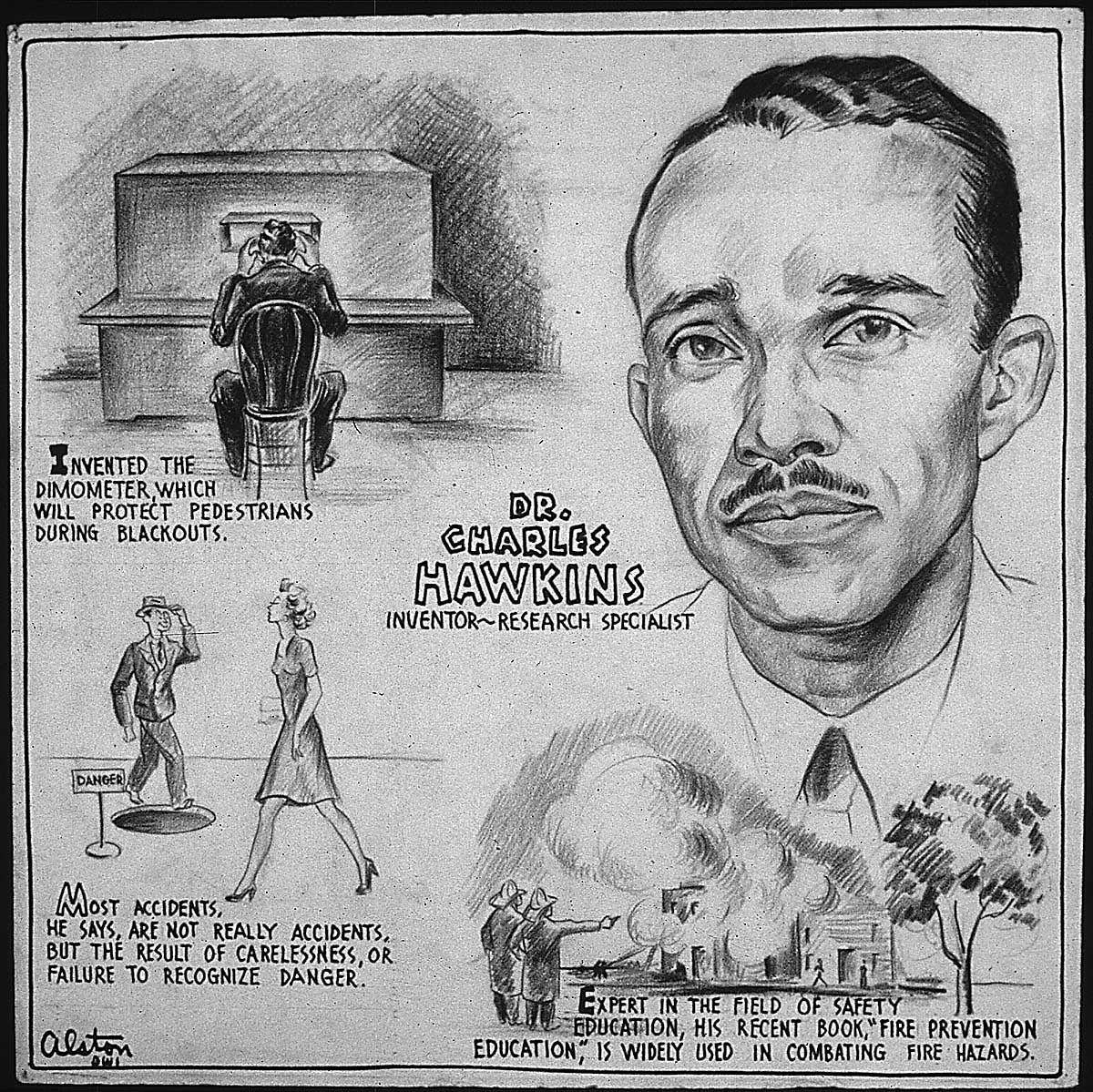
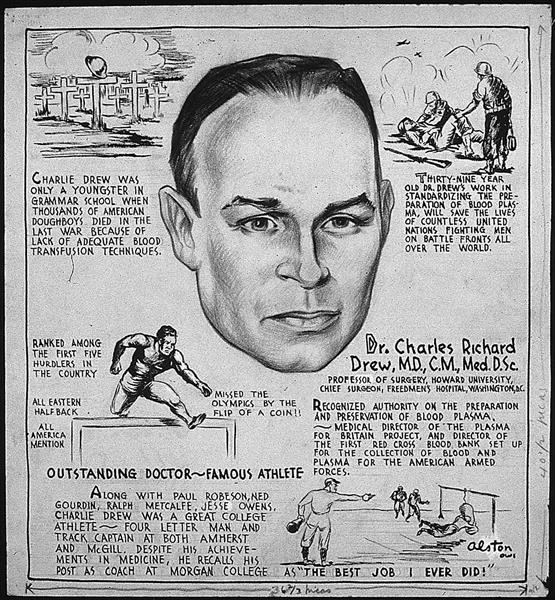
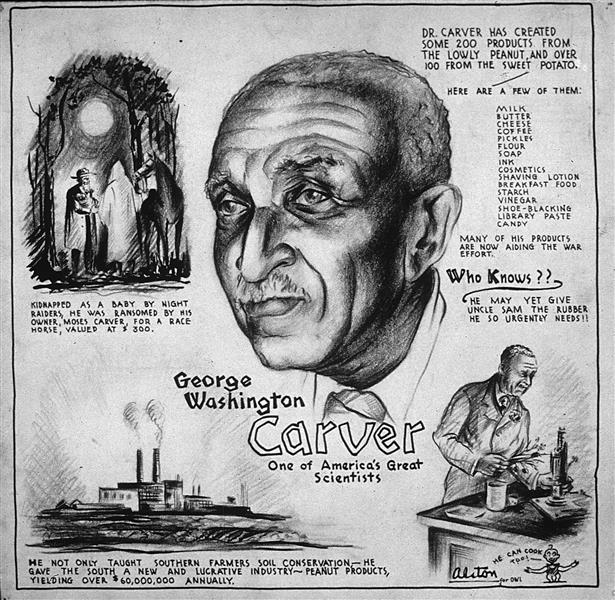
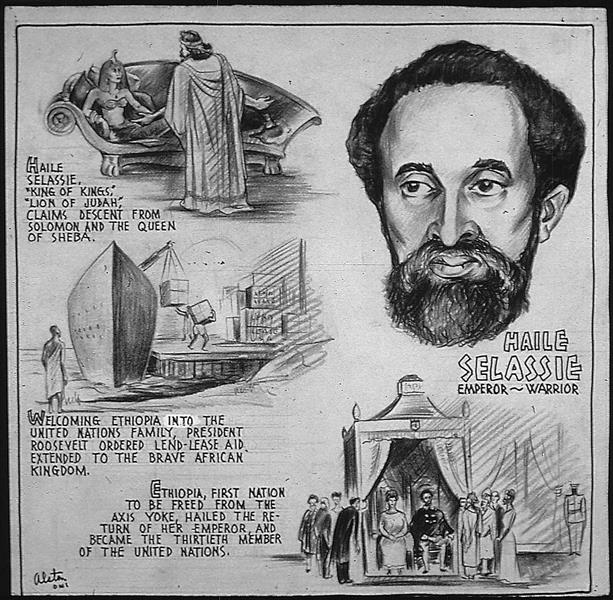
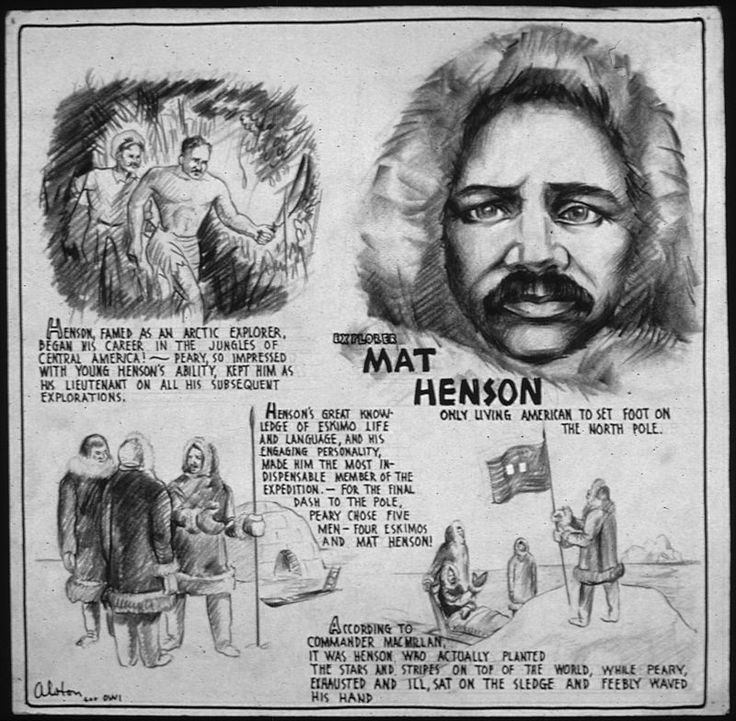
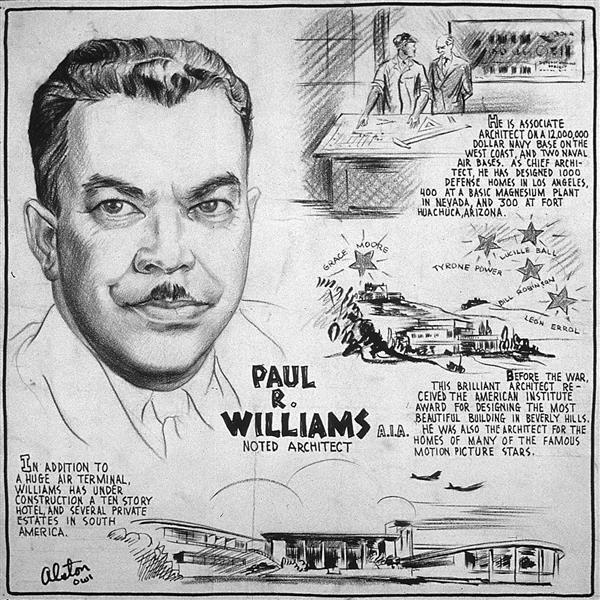
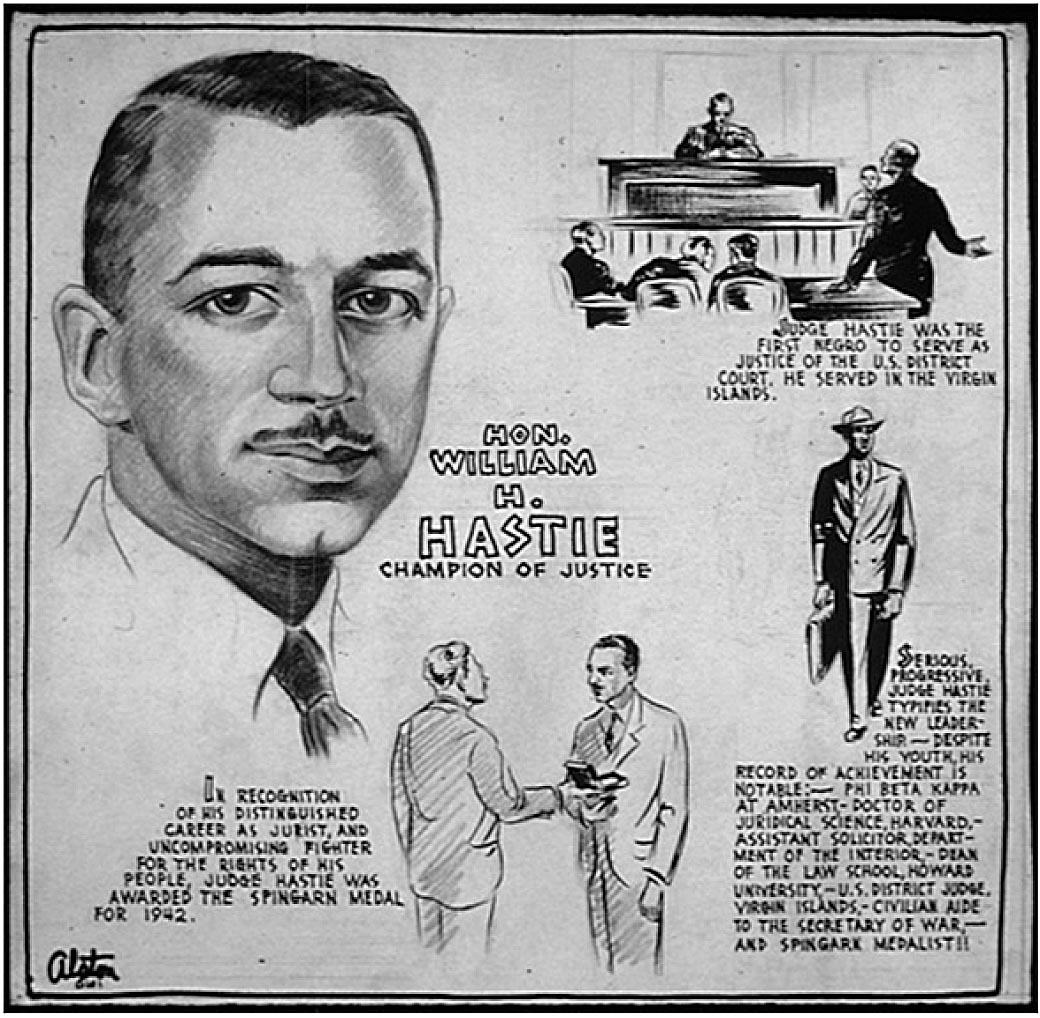
Alston’s gift was not limited to painting. He also worked as a sculptor, and his cartoons and illustrations were published in popular magazines such as The New Yorker and Fortune. During World War II, he worked at the Office of War Information and Public Information, creating cartoons and posters to mobilize the Black community to join in the American war effort. He also designed album covers for artists such as Duke Ellington and Coleman Hawkins, as well as book covers for Langston Hughes. For the years 1942–43 Alston was stationed in the army at Fort Huachuca in Arizona. Upon returning to New York on April 8, 1944, he married Dr. Myra Adele Logan, then an intern at the Harlem Hospital.
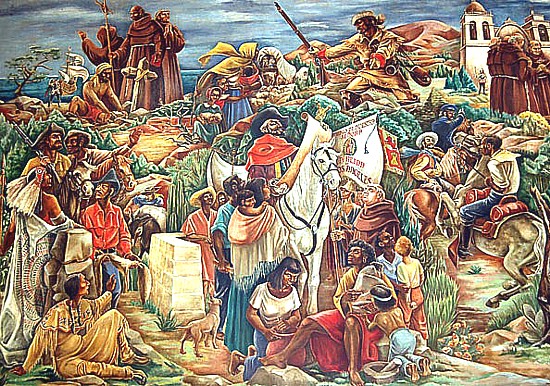
In 1949, he worked with artist Hale Woodruff to complete another mural project at the Golden State Mutual Life Insurance building in Los Angeles, CA. Alston’s works gained recognition at the start of the 1950s, when one of his paintings was exhibited at the Metropolitan Museum of Art. Afterward, he landed several exhibitions at major galleries and institutions across the United States. He became the first African American instructor at the Museum of Modern Art, and his artwork was one of the few pieces purchased by the museum. He landed his first solo exhibition in 1953 at the John Heller Gallery, which represented artists such as Roy Lichtenstein. He exhibited there five times from 1953 to 1958.
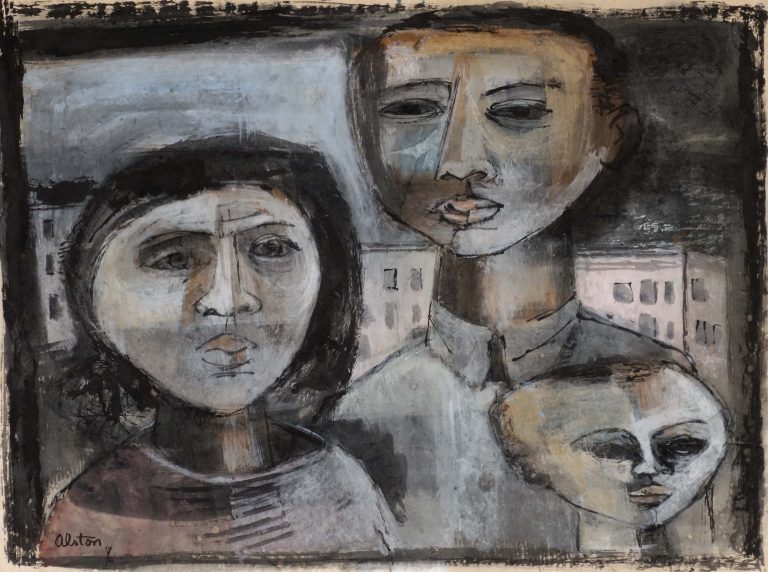
In 1956, Alston became the first African-American instructor at the Museum of Modern Art. He taught there for a year before going to Belgium on behalf of M.O.M.A and the State Department. In the late 1950s, he began working in black and white, which he continued up until the mid-1960s, and the period is considered one of his most powerful. Alston was also a co-founder of the Spiral Group in 1963, a group of African-American artist interested in participating in the Civil Rights Movement and increasing the gallery/museum representation of Black artists. He considered this moment "an exoneration or certification ... the thing that made me feel comfortable with my decision."
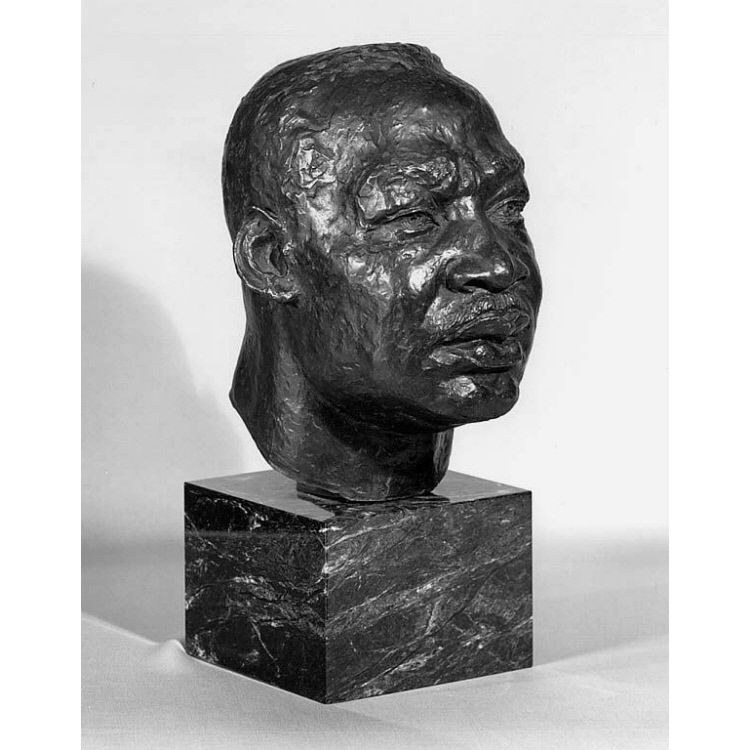
In 1973, he was made full professor at City College of New York, where he had taught since 1968. In 1975, he was awarded the first Distinguished Alumni Award from Teachers College. The Art Student's League created a 21-year merit scholarship in 1977 under Alston's name to commemorate each year of his tenure. In 1970, Alston was commissioned by the Community Church of New York to create a bust of Martin Luther King Jr. for $5,000, with only five copies produced. In 1990, Alston's bust of Martin Luther King Jr. became the first image of an African American displayed at the White House. The bust became a predominant work seen in official portraits of visiting dignitaries.
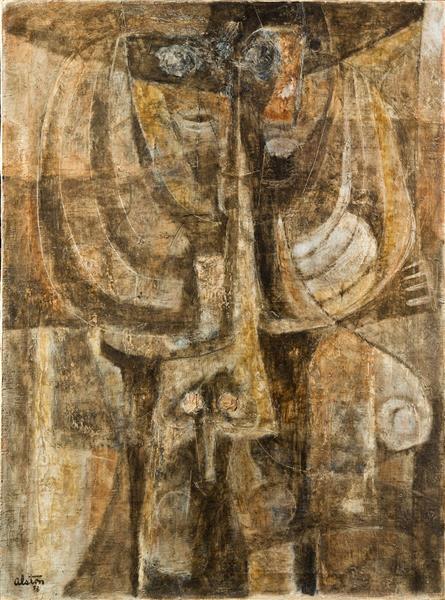
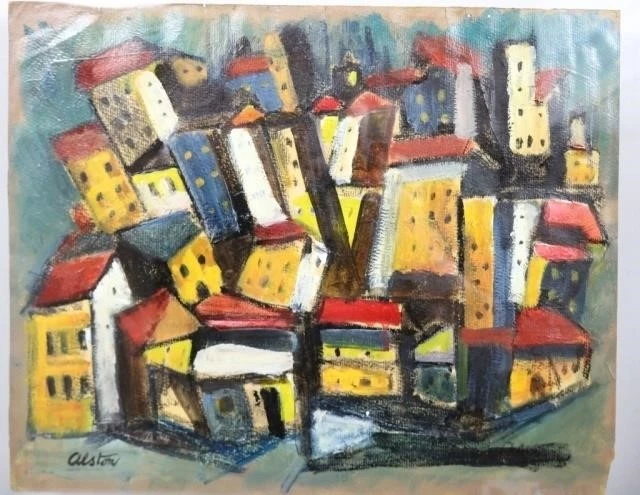
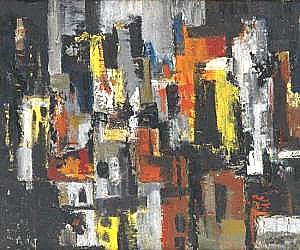
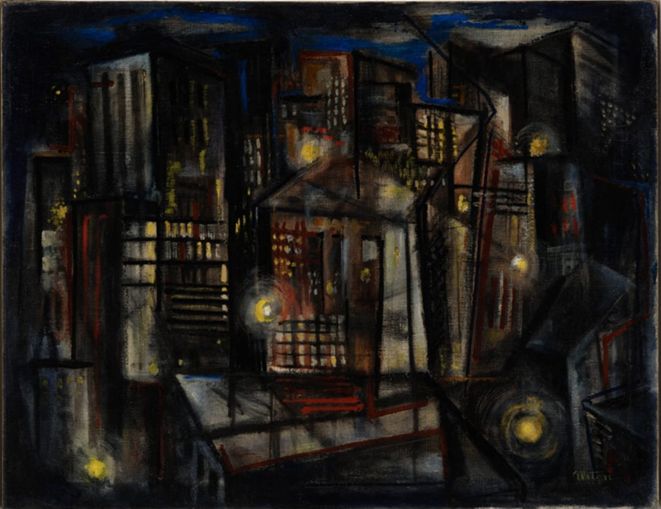
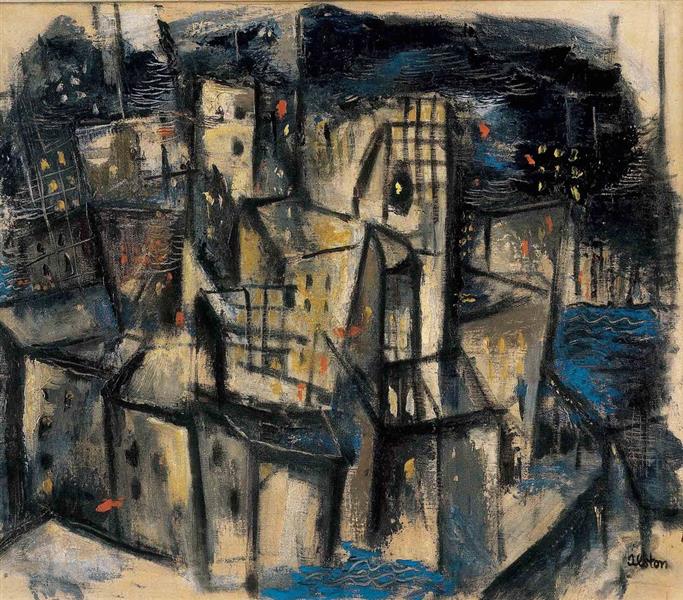
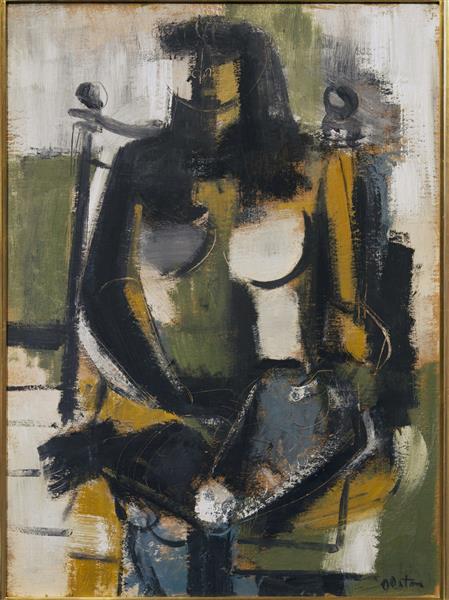
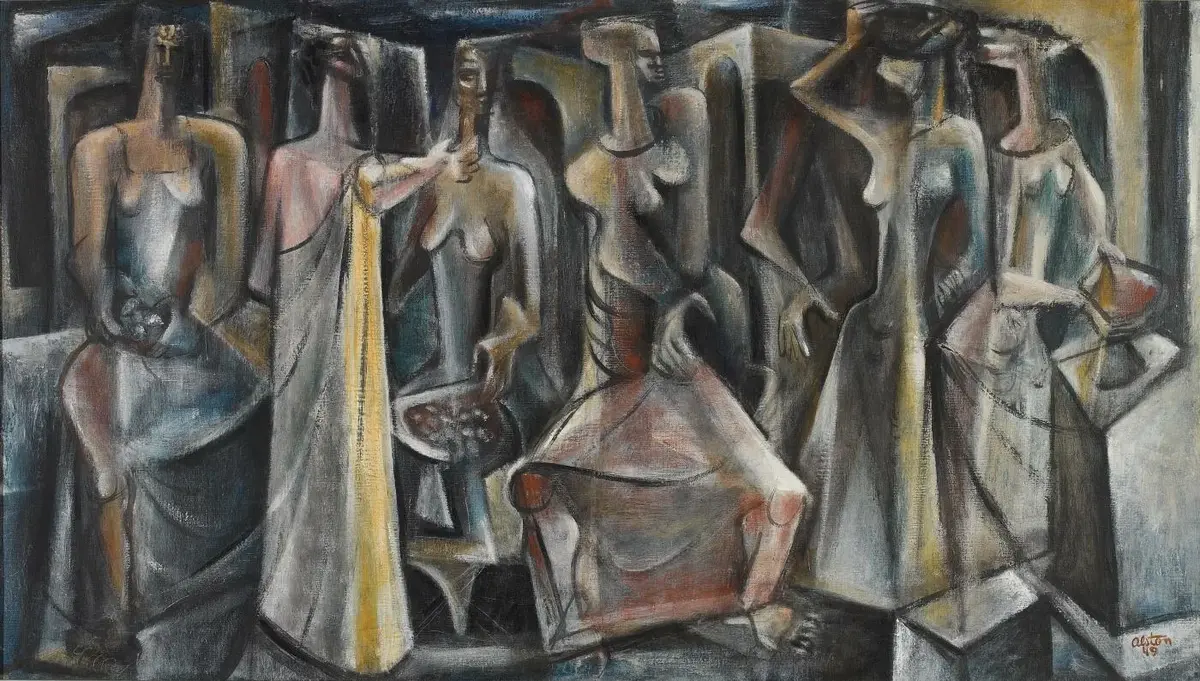
Charles Alston significantly enriched the cultural life of Harlem. In a profound sense, he was a man who built bridges between Black artists in varying fields, and between other Americans. Alston's artistic style defies simple categorization and definition. Charles Alston works range from detailed drawings concerned with realism, depth and modeling to extreme abstraction concerned with simplicity, and pure expression. His art always remained to him an outlet for personal expression and growth, unbound by the restrictions of one particular genera. His subjects, were derived mainly from the experiences of his life and time. As such they deal with the toils and triumphs of African Americans from the Harlem Renaissance to the 1970's.