So Much History

The Fourteenth Amendment

The Fourteenth Amendment is the longest amendment to the Constitution. It was ratified in 1868 in order to protect the civil rights of freed slaves after the Civil War. It has proven to be an important and controversial amendment addressing such issues as the rights of citizens, equal protection under the law, due process, and the requirements of the states. Furthermore, when the radical republicans took over the next congress by 1868, the 14th amendment was used for the southern states to enter the union. 

The 14th Amendment had four principles:
1) State and Federal citizenship for all people regardless of race, both born and naturalized in the U.S was affirmed.

2) No state would be allowed to abridge the "privileges and immunities" of citizens.

3) No person was allowed to be deprived of life, liberty, or property without "due process of law".

4) No person could be denied "equal protection of the laws"

The amendment is broken up into 5 different sections. Section One had four clauses:  The Citizenship Clause, Privileges or Immunities Clause, the Due Process Clause, and the Equal Protection Clause

The Citizenship Clause

The opening sentence of Section One of the 14th Amendment defined U.S. citizenship: “All persons born or naturalized in the United States and subject to the jurisdiction thereof, are citizens of the United States and of the State wherein they reside.

The Citizenship Clause overruled the Supreme Court's Dred Scott decision that Black people were not citizens and could not become citizens, nor enjoy the benefits of citizenship. The amendment also provided a critical protection that was unlike any prior constitutional provision. States that recognized slavery had typically adopted two sets of laws, one with general application and another, called slave codes, for Black Americans.

This portion of the amendment would preclude this differential treatment. The 14th Amendment legally combatted the Black Codes, deeming all peoples born in the United States citizens. It denied any States from revoking these rights through the Equal Protection Clause, that was intended to weight all United States citizens equally under the judgment of the law. This amendment was aimed at protecting the rights of the freed slaves in the South. 

The Privileges or Immunities Clause

The Privileges or Immunities Clause, protects the privileges and immunities of national citizenship from interference by the states. It states "No State shall make or enforce any law which shall abridge the privileges or immunities of citizens of the United States." Congressman John Bingham of Ohio, chief architect expressed his opinion that this draft language would give Congress power to "secure to the citizens of each State all the privileges and immunities of citizens of the United States in the several States."

The Due Process Clause

This clause says "no state shall deprive any person of life, liberty, or property, without due process of law." States were prohibited from depriving any citizen the benefits of citizenship without due process or denying them "equal protection of the law."

The Due Process portion of the amendment prohibits state and local government officials from depriving persons of life, liberty, or property without legislative authorization. This clause has also been used by the federal judiciary to make most of the Bill of Rights applicable to the states, as well as to recognize substantive and procedural requirements that state laws must satisfy.

Over time, the Supreme Court has interpreted this clause to guarantee a wide array of rights against infringement by the states. Included those enumerated in the Bill of Rights such as the freedom of speech, free exercise of religion, right to bear arms, and etc, as well as the right to privacy and other fundamental rights not mentioned elsewhere in the Constitution. 

Equal Protection Clause

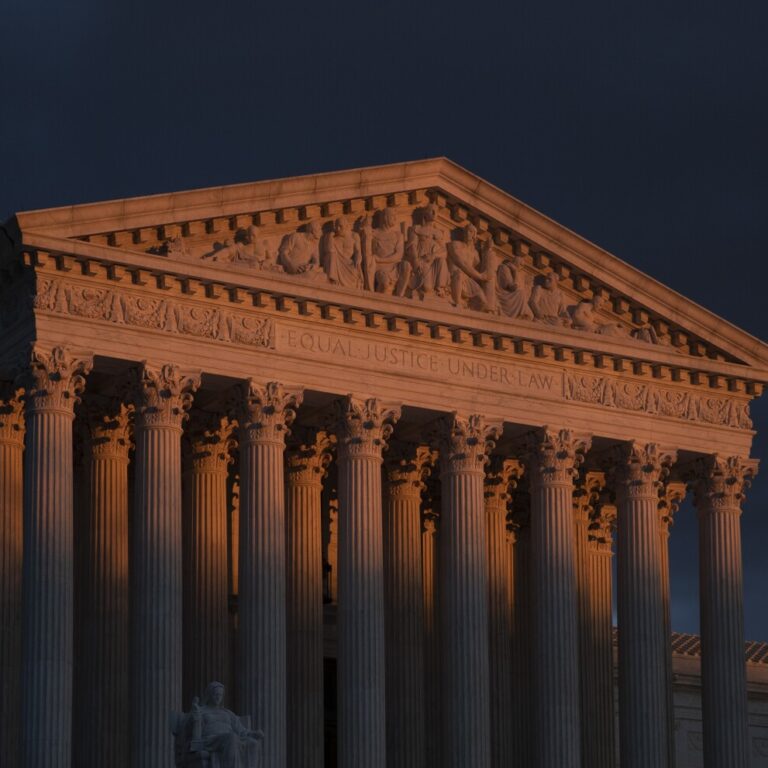
This clause, provides "nor shall any State ... deny to any person within its jurisdiction the equal protection of the laws". It mandates that individuals in similar situations be treated equally by the law. A primary motivation for this clause was to validate the equality provisions contained in the Civil Rights Act of 1866, which guaranteed that all citizens would have the guaranteed right to equal protection by law. As a whole, the Fourteenth Amendment marked a large shift in American constitutionalism, by applying substantially more constitutional restrictions against the states than had applied before the Civil War.

This was clearly intended to stop state governments from discriminating against Black Americans, and over the years would play a key role in many landmark civil rights cases. Southern states continued to deny Black men the right to vote using a collection of state and local statutes during the Jim Crow era.
Apportionment of Representatives reduces congressional representation

This section of the 14th Amendment repealed the three-fifths clause of the original Constitution, which counted enslaved people as three-fifths of a person for the purpose of apportioning congressional representation. Section 2 states that a state’s number of Representatives in the House will be determined based on a state’s population. Native Americans aren’t figured into population counts because they aren't taxed by the Federal government. Section 2, also says if a State denies citizens the vote, they will have their representation in the House reduced as a consequence.

States were also forced to grant freed Black men the right to vote or risk losing representation in the House of Representatives. If a State denies citizens the vote, they will have their representation in the House reduced as a consequence. Furthermore, Confederate officials were banned from holding elected office, though the war debt of the Confederacy was excused. 

It states "Representatives shall be apportioned among the several States according to their respective numbers, counting the whole number of persons in each State, excluding Indians not taxed.

But when the right to vote at any election for the choice of electors for President and Vice-President of the United States, Representatives in Congress, the Executive and Judicial officers of a State, or the members of the Legislature thereof, is denied to any of the male inhabitants of such State, being twenty-one years of age, and citizens of the United States, or in any way abridged, except for participation in rebellion, or other crime, the basis of representation therein shall be reduced in the proportion which the number of such male citizens shall bear to the whole number of male citizens twenty-one years of age in such State."

Disqualification from office for insurrection or rebellion

This section is a very specific clause about how your rights as a citizen are impacted if you participate in a rebellion against the United States government or any of the government’s interests.

It gave Congress the authority to bar public officials, who took an oath of allegiance to the U.S. Constitution, from holding office if they "engaged in insurrection or rebellion" against the Constitution. The intent was to prevent the president from allowing former leaders of the Confederacy to regain power within the U.S. government after securing a presidential pardon. It states that a two-thirds majority vote in Congress is required to allow public officials who had engaged in rebellion to regain the rights of American citizenship and hold government or military office.

It states that: "No person shall be a Senator or Representative in Congress, or elector of President and Vice-President, or hold any office, civil or military, under the United States, or under any state, who, having previously taken an oath, as a member of Congress, or as an officer of the United States, or as a member of any State legislature, or as an executive or judicial officer of any State, to support the Constitution of the United States, shall have engaged in insurrection or rebellion against the same, or given aid or comfort to the enemies thereof. But Congress may by a vote of two-thirds of each House, remove such disability."

Validity of public debt

This deals with the repercussions of the Civil War. Section 4 ensured that the former Confederate states were responsible for their own Civil War related debt and couldn’t pawn it off on the federal government.

Section Four of the 14th Amendment states that "the validity of the public debt of the United States, authorized by law, including debts incurred for payment of pensions and bounties for services in suppressing insurrection or rebellion, shall not be questioned. But neither the United States nor any State shall assume or pay any debt or obligation incurred in aid of insurrection or rebellion against the United States, or any claim for the loss or emancipation of any slave; but all such debts, obligations and claims shall be held illegal and void." Historians believe the clause was intended to ensure the federal government would not repudiate its debts, as some former Confederate states had done.

Power of enforcement

This is simple and straightforward. It gives Congress the power to enforce the laws outlined by Amendment 14. It states “Congress shall have the power to enforce, by appropriate legislation, the provisions of this article

In giving Congress power to pass laws to safeguard the sweeping provisions of Section One, the 14th Amendment effectively altered the balance of power between the federal and state governments in the United States.

Shopping Basket