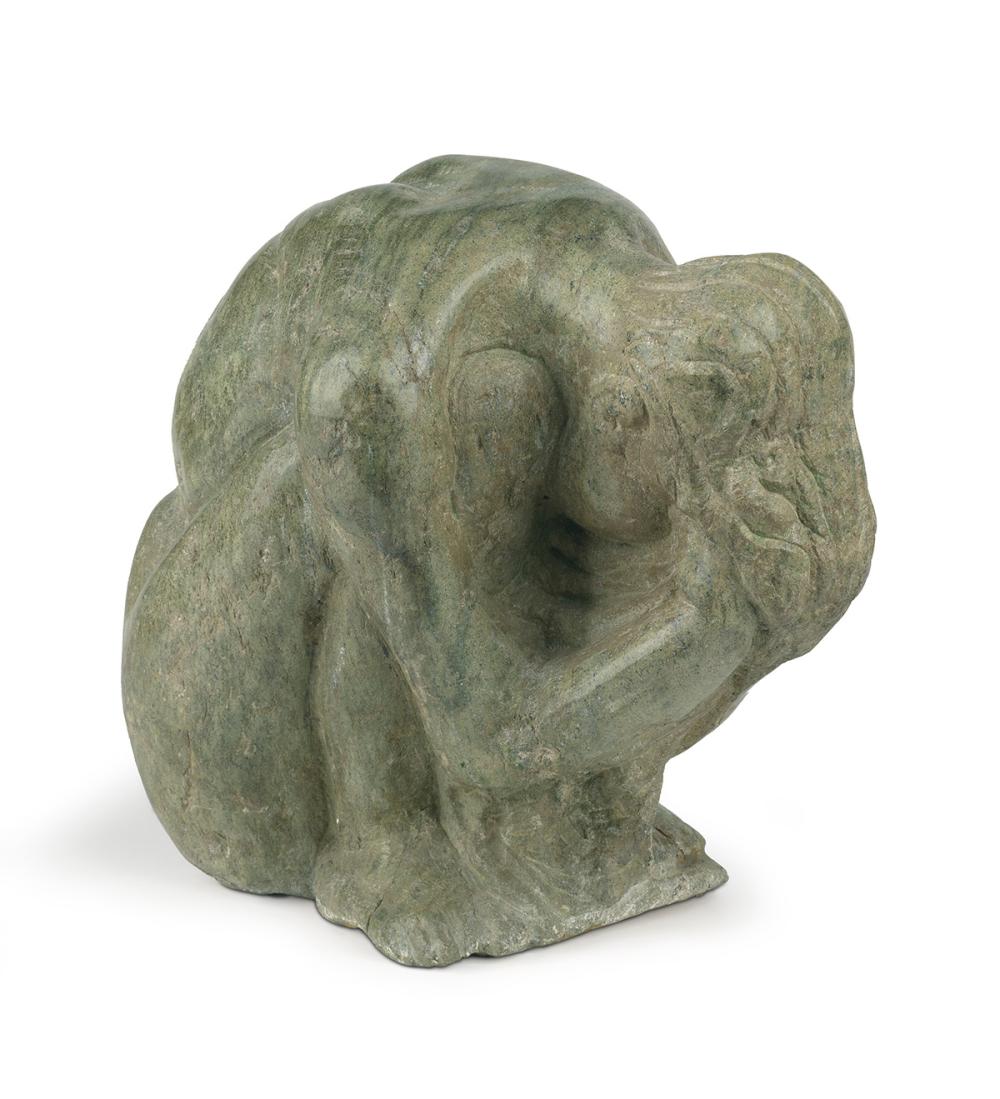
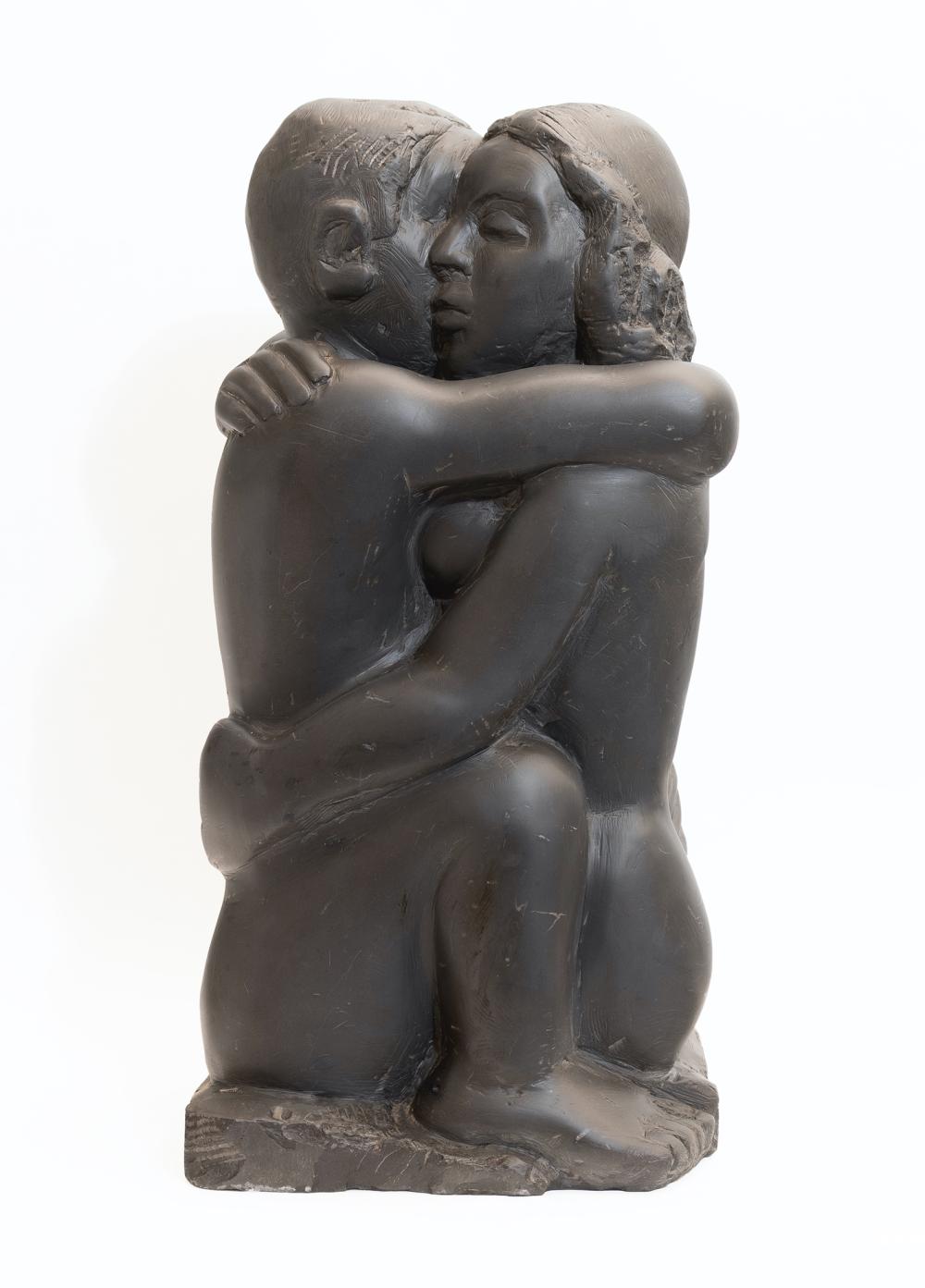
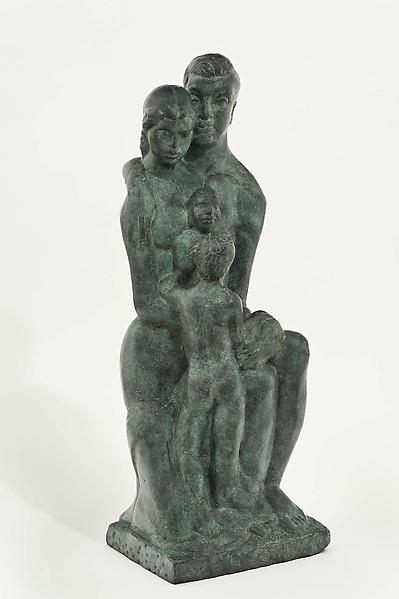
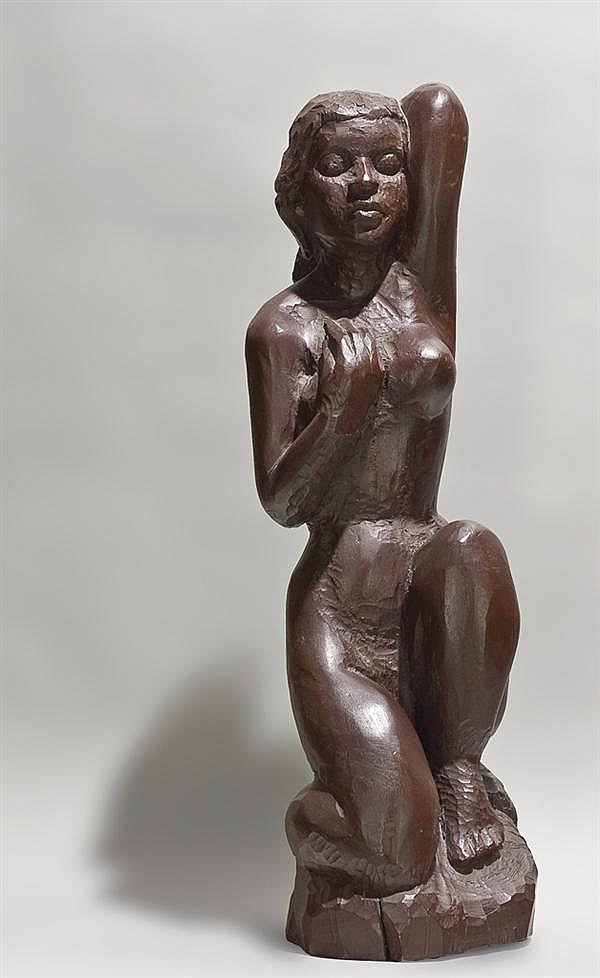
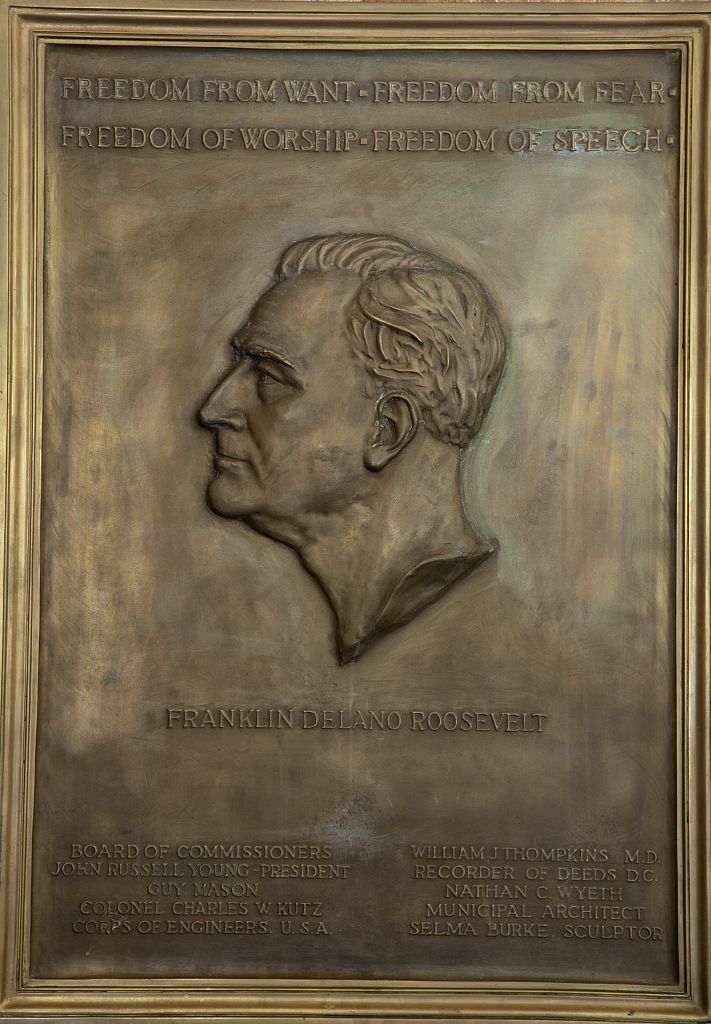
Sculptor and educator who received national recognition for her relief portrait of Franklin Delano Roosevelt, which was the model for his image on the dime, Selma Burke was born on December 31, 1900, in Mooresville, North Carolina. As a child, she attended a one-room segregated schoolhouse. Her interest in sculpting was ignited by her maternal grandmother. She was drawn to sculpture early on and at age 5 when she began working in riverbank clay. Her father nurtured her interest in art by bringing home souvenirs and art objects from his international travels in Europe, Africa, and the Caribbean as an ocean liner chef. After high school, Burke earned her B.A. at Winston-Salem University. She then studied to become a nurse at the St. Agnes Training School for Nurses.
She graduated with her credentials in 1924 and began working as a private nurse for Amelia Waring, heiress of the Otis Elevator empire in New York City, New York. Waring helped Burke gain exposure to the arts and culture scenes in New York. Burke began socializing with the artists and writers associated with the Harlem Renaissance. She found a community of artists and began making art a more significant part of life. After Waring died, Burke ended her nursing career and became a sculptor. Burke was introduced to an artistic community that would support her burgeoning career through a second brief marriage to Claude McKay, a poet and novelist of Black literature. Whether they legally married is unclear; what is clear is that their relationship was tumultuous and short-lived.
She would become one of the few one of the few African American women to achieve fame during the Harlem Renaissance. To improve her skills, Selma began taking art classes at Sarah Lawrence College. In 1935 she received a Rosenwald Foundation Fellowship to traveled to Europe to study sculpture in Vienna and in Paris with Aristide Maillol whose work focused on large-scale classical female nudes cast in bronze. Such was the freedom of Paris; there she could fully explore her interests in African art. Europe was chock full of possibility and promise. Paris was an artist’s haven. The City of Light conferred status that was often withheld in the United States from Black women artists. Only financial resources (rather than race and gender) limited freedoms. It was not so much that the French were colorblind; they were simply not color averse.
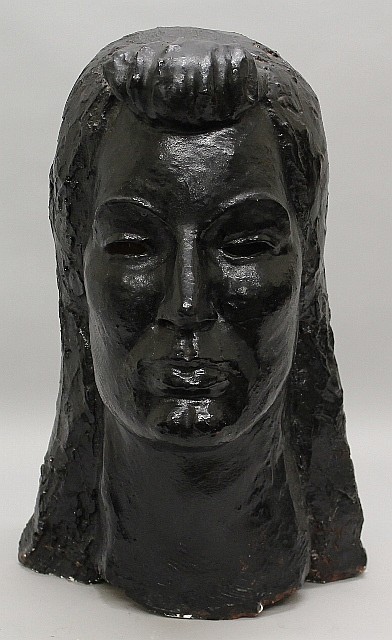
Burke’s status as an American also greased the wheels of social acceptance. The next year, in 1936, she received the Boehler Foundation Fellowship to study abroad. Among the influences on her were the painter Henri Matisse, who praised her work, and the architect Frank Lloyd Wright. One of her most significant works from this period is “Frau Keller” (1937), a portrait of a German-Jewish woman in response to the rising Nazi threat which would convince Burke to leave Europe later that year. She taught art to youth in New York City through the Works Progress Administration’s Federal Art Project and the Harlem Community Arts Center, where influential sculptor Augusta Savage was her mentor. The HCAC was critical in providing Black artists continued support and training that helped sustain the next generation of artists to emerge after the war.
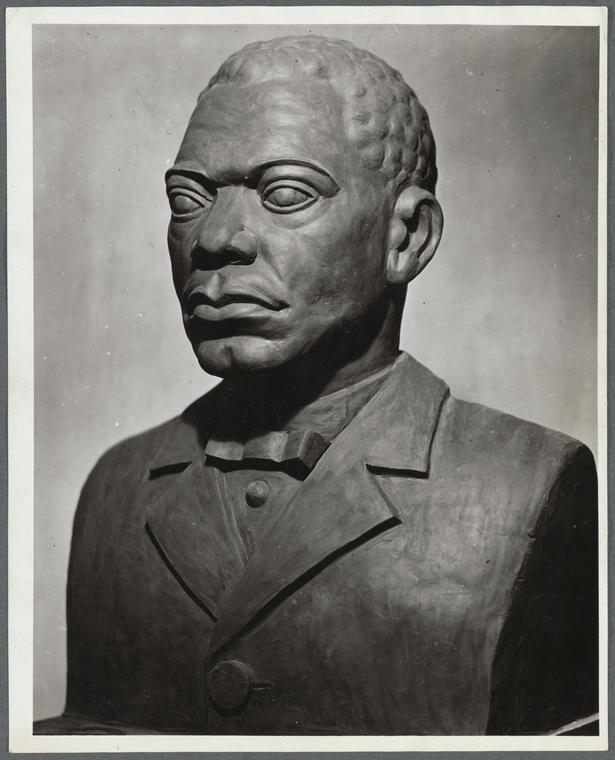
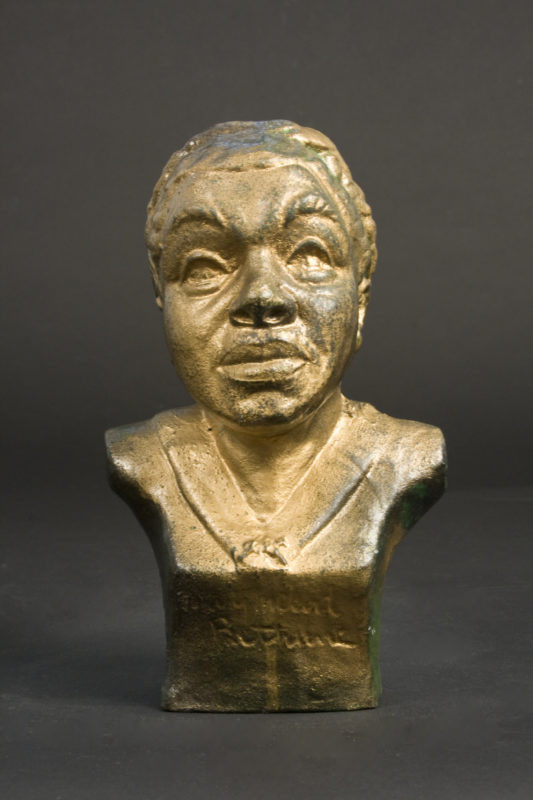
One of her WPA works, a bust of Booker T. Washington, was given to Frederick Douglass High School in Manhattan in 1936. She created sculptures from materials such as brass, wood, marble and stone and her subjects ranged from persons, popularly known as well as pedestrian, and nudes. The subjects of her works were presented as dignified and represented the human spirit. In 1940, Burke opened the Selma Burke School of Sculpture. The next year, Burke earned a Master of Fine Arts degree from Columbia University (where she had received a scholarship) and held her first solo exhibit in a New York gallery. In 1941, she earned her Master of Fine Arts degree at Columbia University. From then on, she was fondly called Dr. Selma Burke.
Following the entry of the United States into World War II, Burke set aside her art and enlisted in the Navy, becoming one of the first African-American women to sign up. Her assignment was to drive a truck at the Brooklyn Navy Yard. It was her opinion that, during the war, “artists should get out of their studios.” She drove a truck at the Brooklyn Navy Yard. She injured her back on the job and while recuperating, she learned of a nationwide contest for the commission of a bronze relief portrait of President Franklin Roosevelt. Burke was chosen to sculpt a portrait of then-President Franklin D. Roosevelt honoring the Four Freedoms. The Four Freedoms were: freedom from fear, freedom of speech, freedom from want, and freedom of worship. Burke agreed to do the job but felt that pictures of the President wouldn’t suffice.
She requested a sit-down meeting with him so she could draw her own sketch. Roosevelt agreed and during a two-day period in February 1944, Burke sketched him. As a stipulation of competition, the final art piece had to be approved by members of the Fine Arts Commission and First Lady Eleanor Roosevelt. The 3.5-by-2.5-foot plaque was unveiled by President Harry Truman on September 24, 1945 at the Recorder of Deeds Building in Washington, D.C., where it still hangs today. Some believe this portrait was used as the foundation for the Roosevelt Dime. Since the coin bears U.S. Mint Chief Engraver John Sinnock's initials, Selma Burke has never received proper credit for the portrait. Many agreed over the years that it was Burke’s depiction that Sinnock used, although Sinnock later denied that Burke's portrait was an influence.
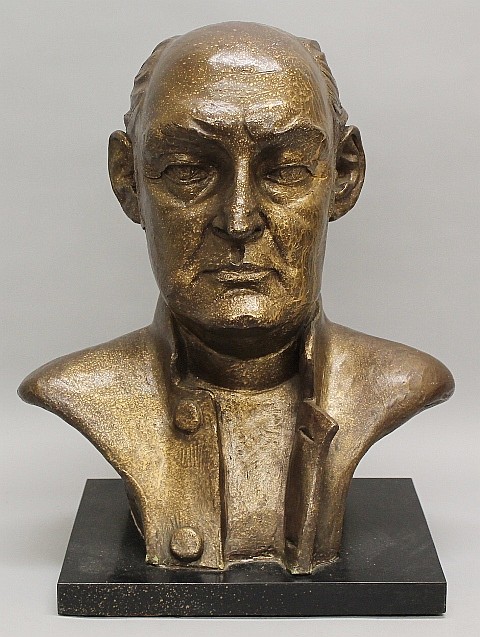
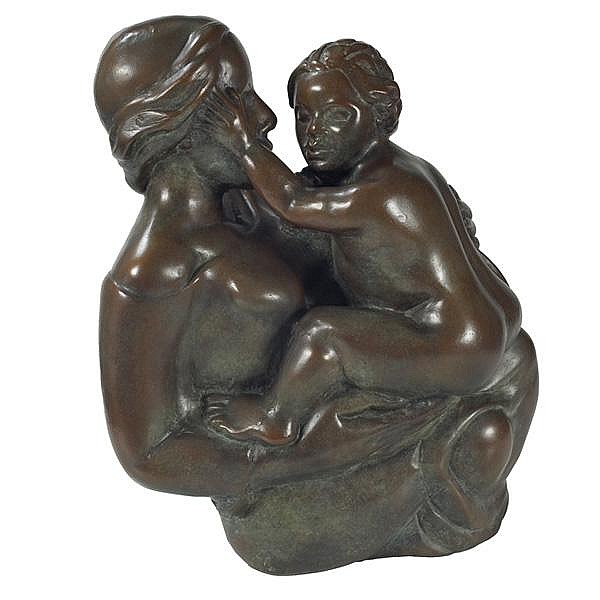
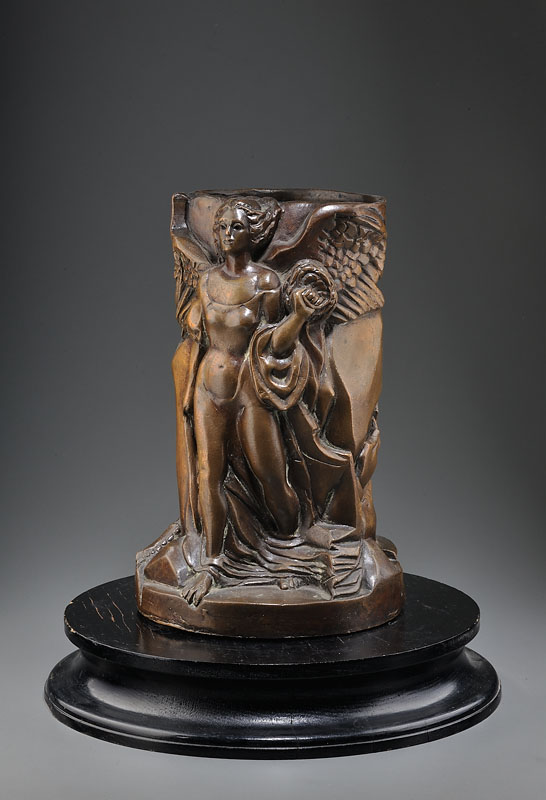
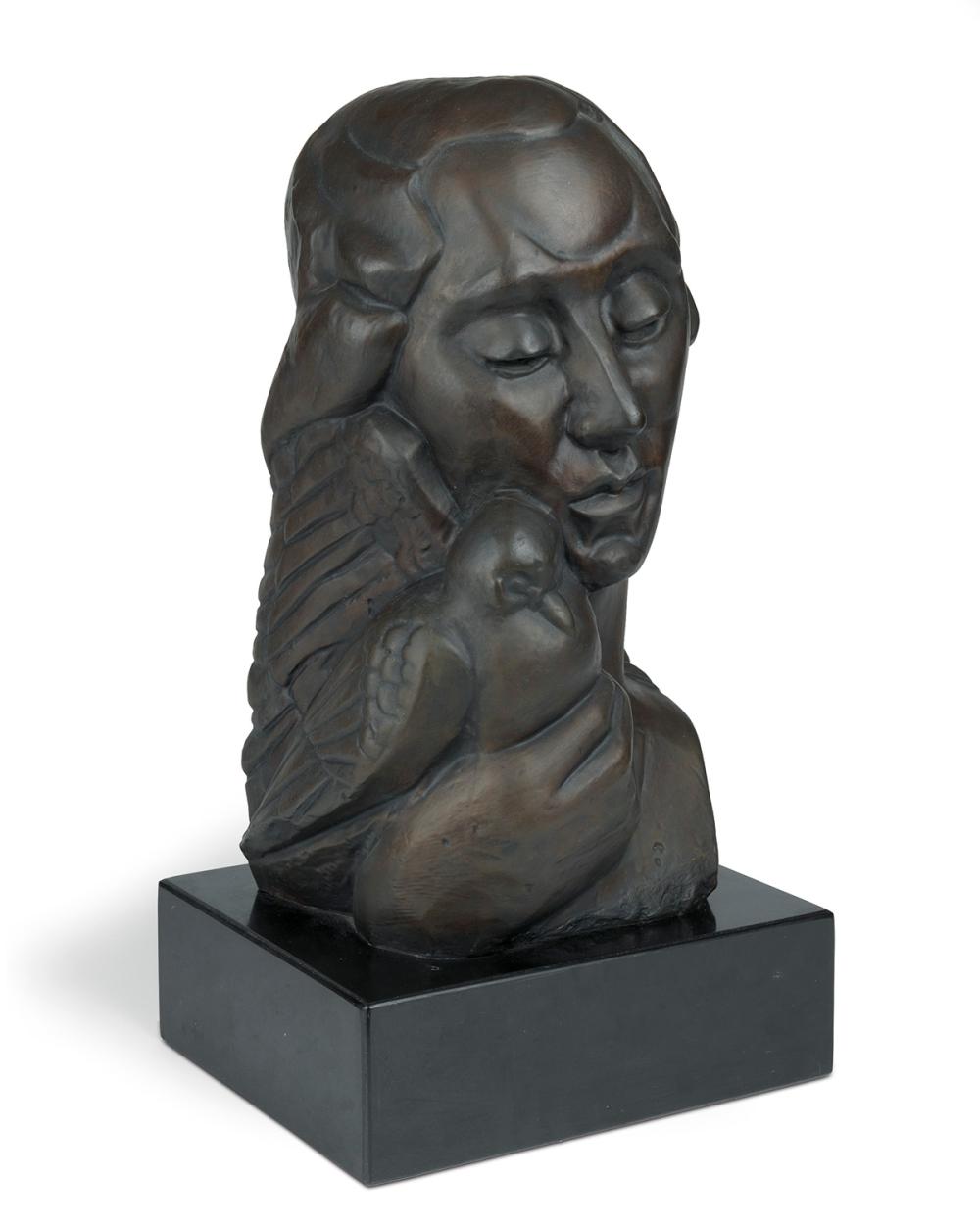
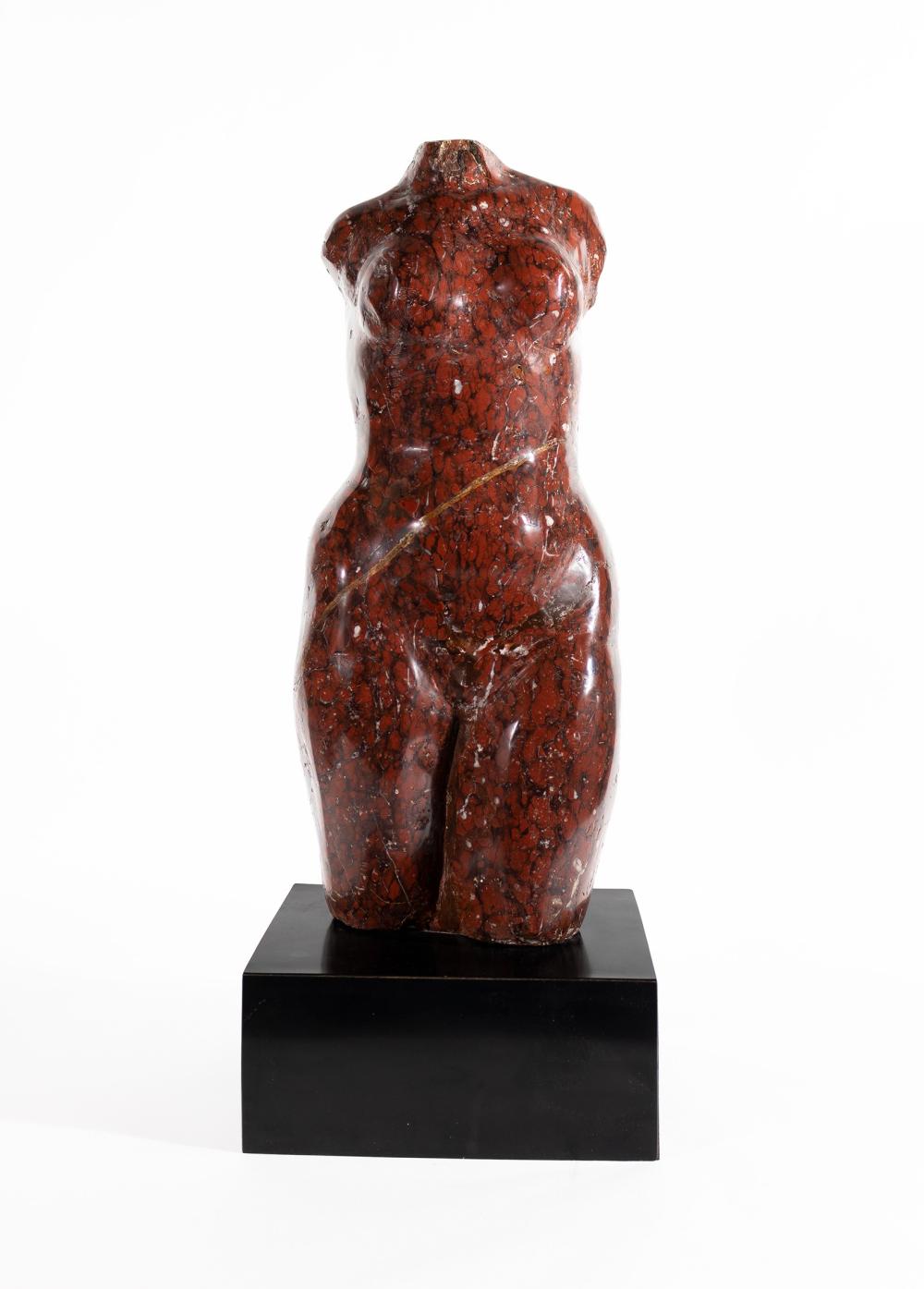
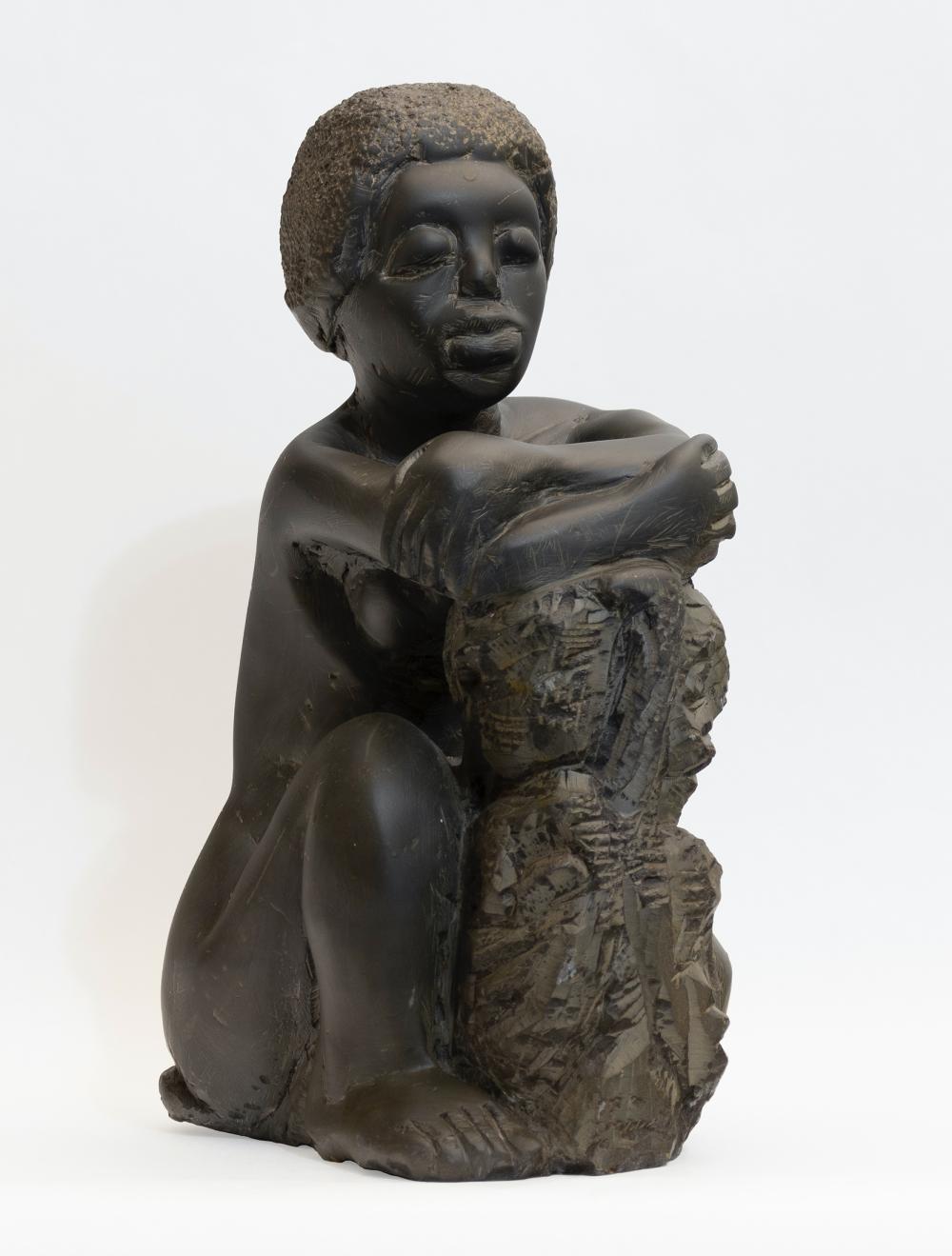
Burke was a great lover and supporter of the Arts. Burke's other public sculpture pieces include a bust of Duke Ellington at the Performing Arts Center in Milwaukee. Her portraits of leading African-American figures like Mary McLeod Bethune, Duke Ellington, Booker T. Washington and A. Philip Randolph. They are displayed at the Hill House Center in Pittsburgh, the Schomburg Center for Research in Black Culture in New York City, Atlanta University, Spelman College, and the Smithsonian Museum of American Art. Burke described herself as “a people’s sculptor” and intended for her art to speak to wide audiences, including those who lacked an arts education. Some of her well-known pieces include "Torso" (1937), "Temptation" (1938), "(Untitled) Woman and Child" (1950), and "Together" (1975).
In 1946 Burke started another school, the Selma Burke Art School, also situated in New York City. She taught in institutions across New England including the A.W. Mellon Foundation in New York, Swarthmore College in Philadelphia and Harvard University in Boston. In 1949, Burke married architect Herman Kobbe and the two moved to an artists’ colony in New Hope, Pennsylvania. Kobbe passed away in 1955, but Burke remained in Pennsylvania for the rest of her life. Determined to be an asset to her community, she created a source for the arts, especially Black arts, and opened the Selma Burke Art Center in Pittsburgh which operated from 1968-1981. She taught children about the vibrancy of sculpture and encouraged them to touch works of art in order to fully understand them.
She was widely lauded for her engagement in civic organizations and endeavors in the Pittsburgh area. At the age of 70, Dr. Burke earned her PhD in fine arts from Livingstone College. She founded the Bucks County Sculpture show in 1977. President Jimmy Carter recognized Burke for her contributions to African American art history with the award in 1979. Burke’s last monumental work, a statue of Martin Luther King, Jr. in Marshall Park in Charlotte, was completed in 1980. Burke received honorary doctorates from Livingstone College in 1970 and Spelman College in 1988. Selma Burke died in New Hope, Pennsylvania on August 29, 1995 at the age of 94. Her own scholarship fund financed young artists for generations.