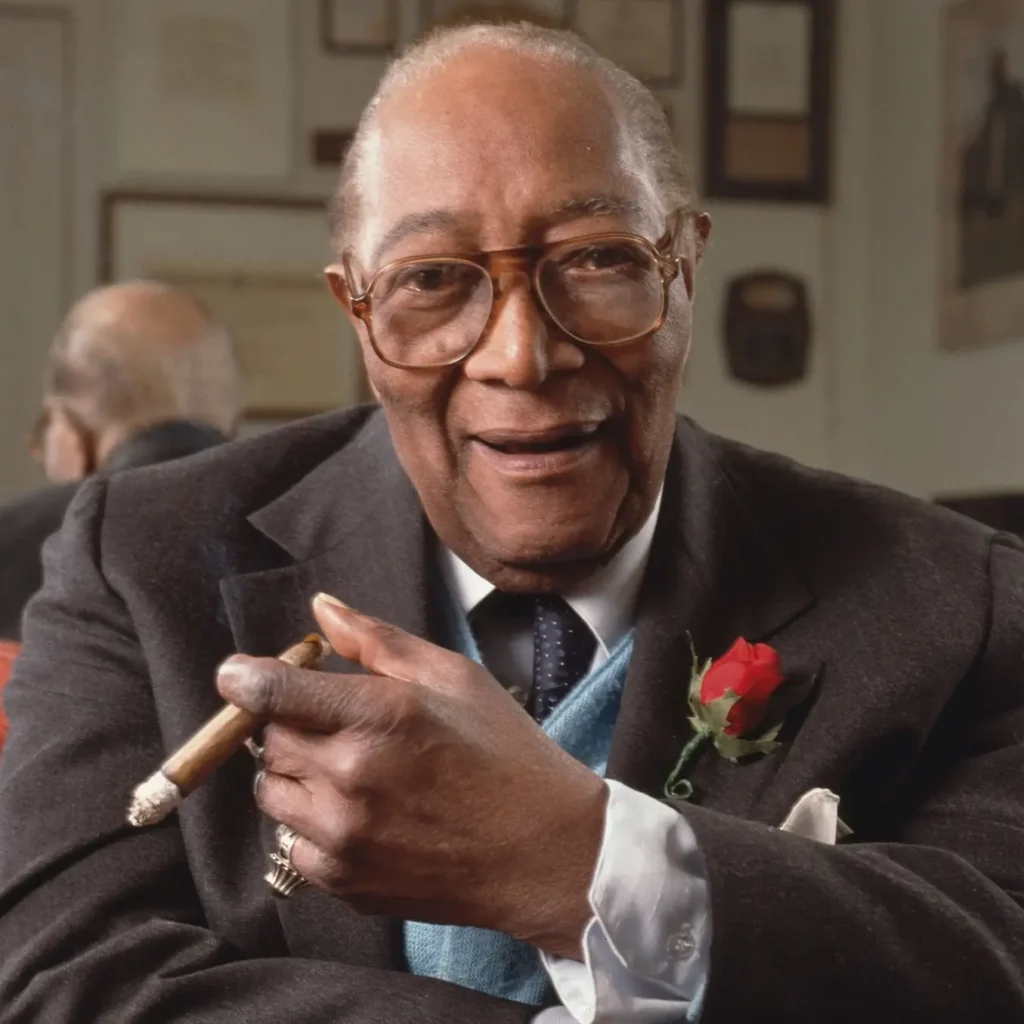
Van Dee Zer
One of the most important Harlem photographers, James Van Der Zee created an extraordinary chronicle of life in Harlem during the 1920s and 1930s and beyond. James Van Der Zee was born on June 29th, 1886 in Lenox, Massachusetts. He demonstrated a gift for music and initially aspired to a career as a professional violinist. The Van Der Zee children were great students in general, and James learned how to play the piano and violin as a youth. He later developed a passion for photography. James was only a fifth grader when he became his school’s photographer. He was also the unofficial town photographer, and even took portraits of vacationing aristocrats. At the age of fourteen he received his first camera as a result of a magazine promotion. His interest in photography led him to take hundreds of photographs of his family and the town of Lenox.
As one of the first people in the town to own a camera he was able to provide a rich early documentation of community life in small town New England. By 1906, at the age of 20, he had moved with his father and brother to Harlem in New York City, where he worked as a waiter and elevator operator. By now Van Der Zee was a skilled pianist and aspiring professional violinist. He would become the primary creator and one of the five performers in a group known as the Harlem Orchestra. In March 1907, Van Der Zee married Kate L. Brown and they moved back to Lenox. For several years, Van Der Zee put his musicianship to use, playing with Fletcher Henderson’s band and the John Wanamaker Orchestra while also working as a piano and violin teacher.
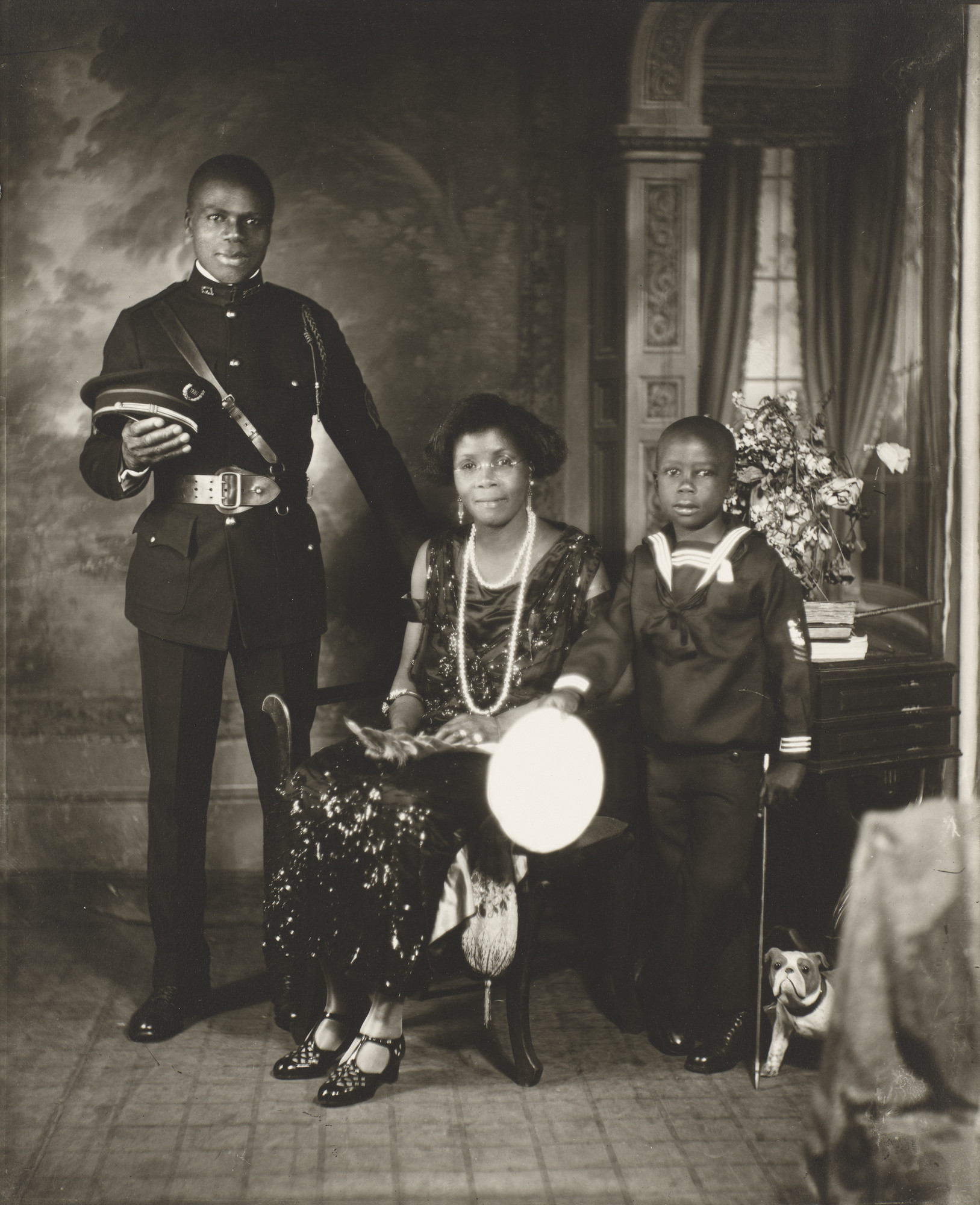
In 1911, James got a job as an assistant photographer in a portrait studio in Newark, New Jersey. The next year, he joined his sister Jennie at the Toussaint Conservatory of Art and Music, where James photographed her young students. From 1912 to 1915, Van Der Zee took portraits and taught music at the Toussaint Conservatory of Art and Music. Usually, he took portraits in the subject’s surroundings or in his studio to evoke the subject’s personality. For example, one portrait shows a soldier sitting in a chair looking down at a small dog—the photograph was titled “The Last Goodbye". Kate was never persuaded that Van Der Zee could make a living taking photographs. Because of this and other problems, she left him in 1916. Van Der Zee soon became acquainted with Gaynella Greenlee, a White woman who worked as a telephone operator in the building where he worked.
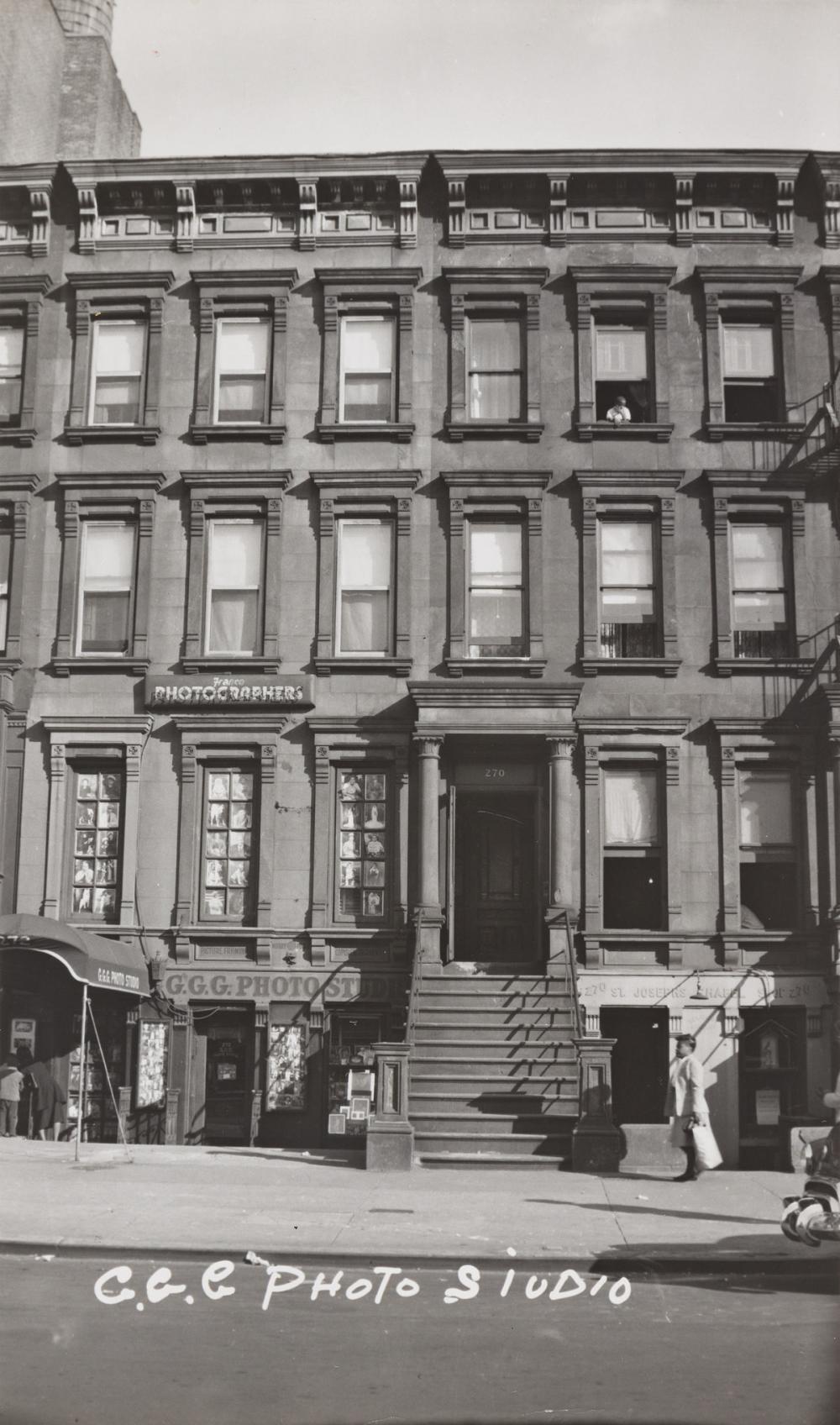
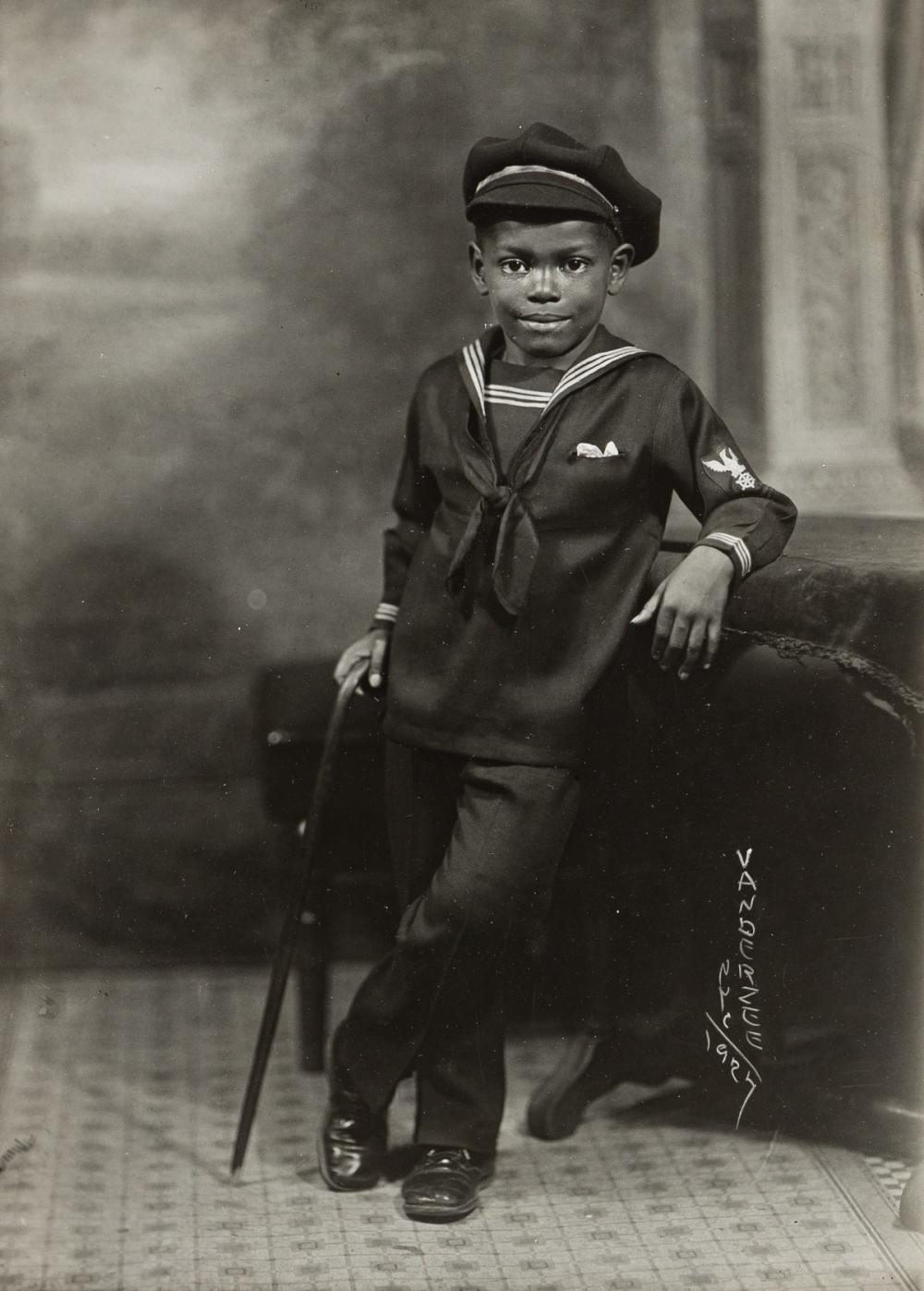
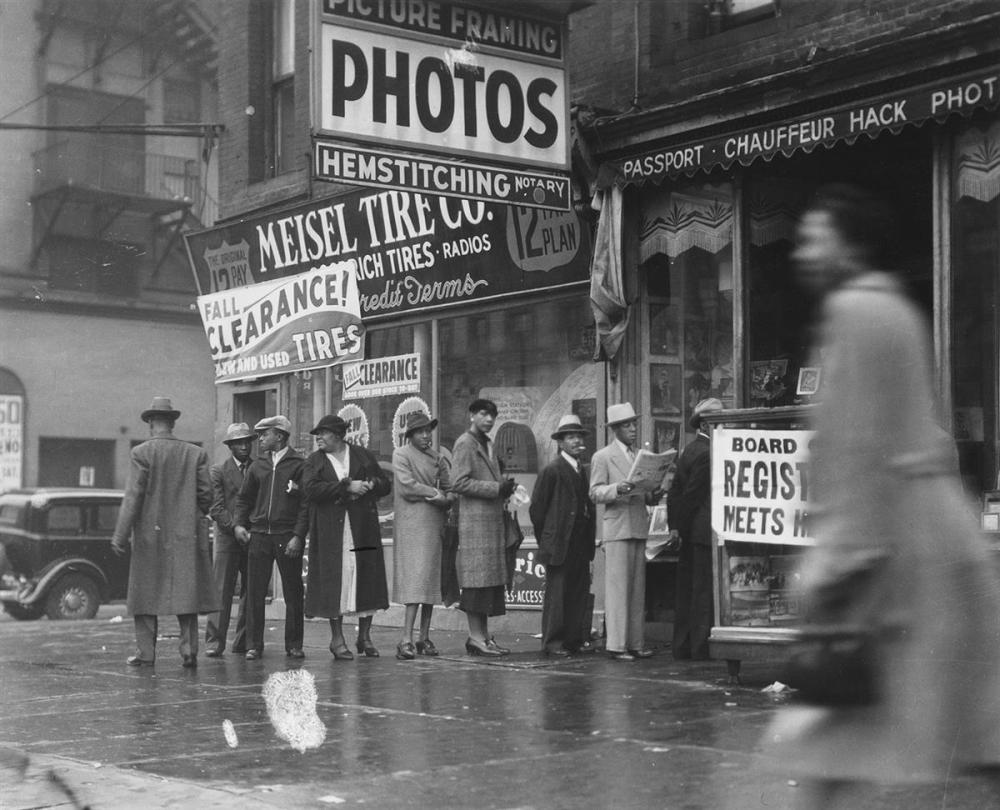
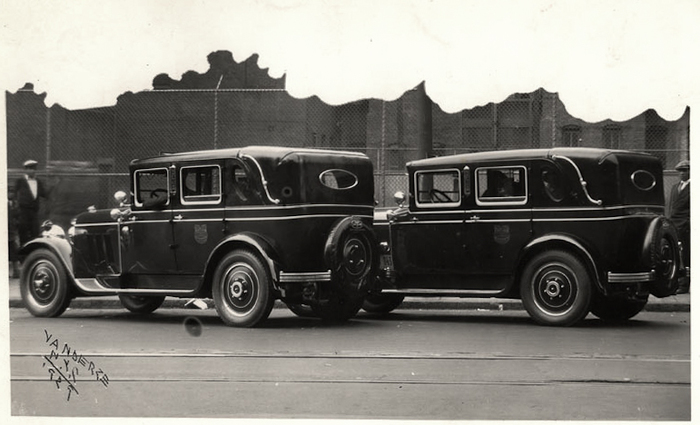
In 1915 Van Der Zee moved to Newark, New Jersey where he was employed as a darkroom assistant and later a portraitist in a portrait studio. Beginning in 1916 he returned to New York where he worked out of a commercial Harlem studio he opened on 135th street. This happened just as large numbers of Black immigrants and migrants were arriving into that part of the city. In 1916 Van Der Zee and his second wife, Gaynella Greenlee, launched the Guarantee Photo Studio on West 125th Street in Harlem. He photographed many Harlem storefronts, documenting Black-owned businesses. His business boomed during World War I, and the portraits he shot from this period until 1945 have demanded the majority of critical attention. Many of the African American men going off to fight in Europe during World War I had their portraits taken before leaving.
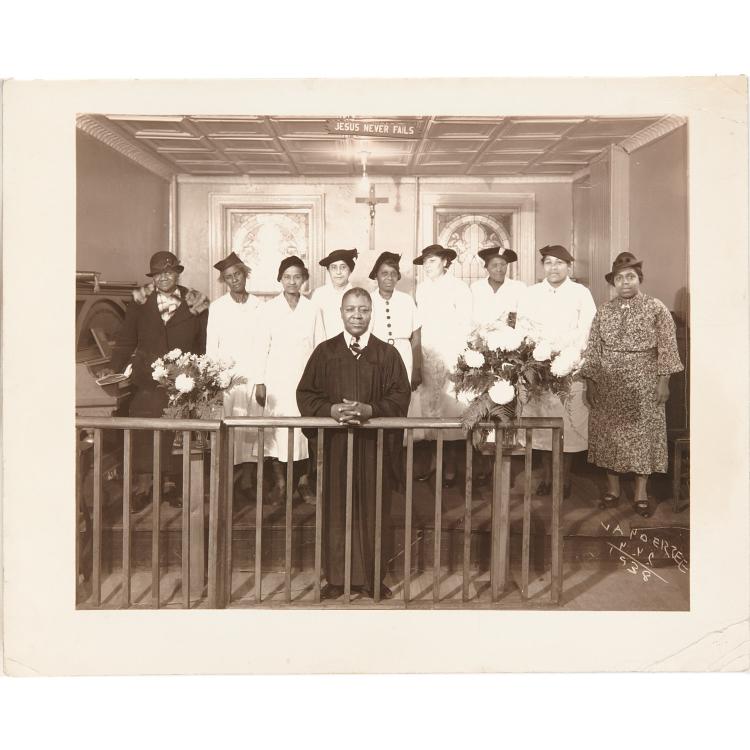
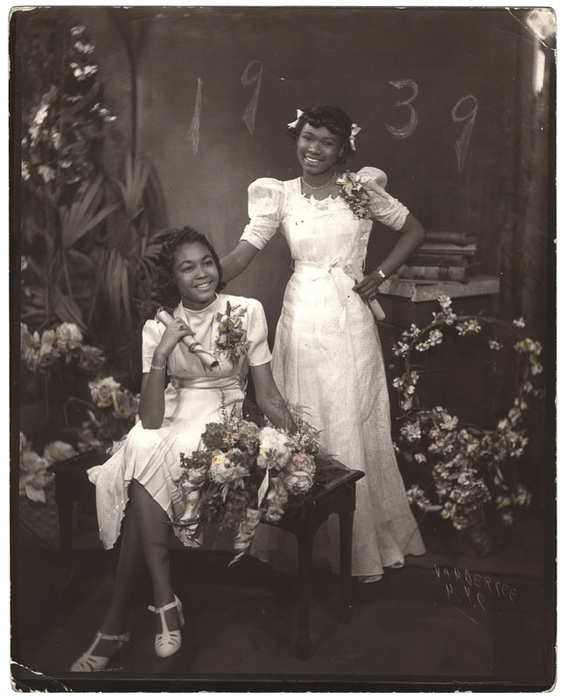
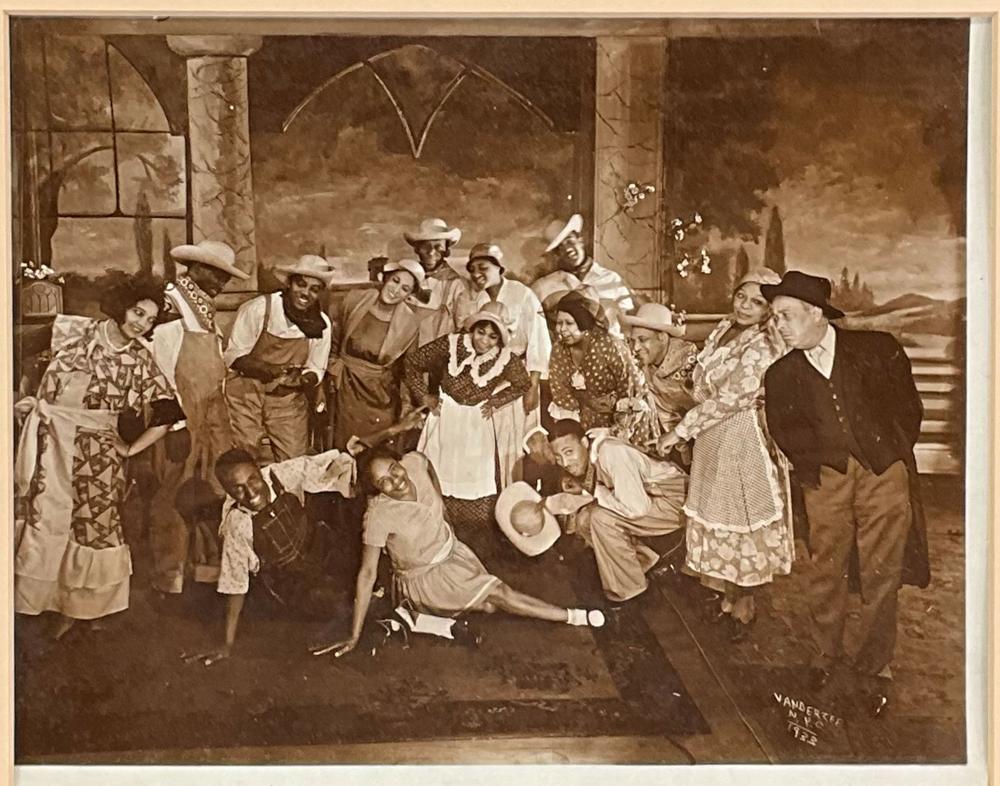
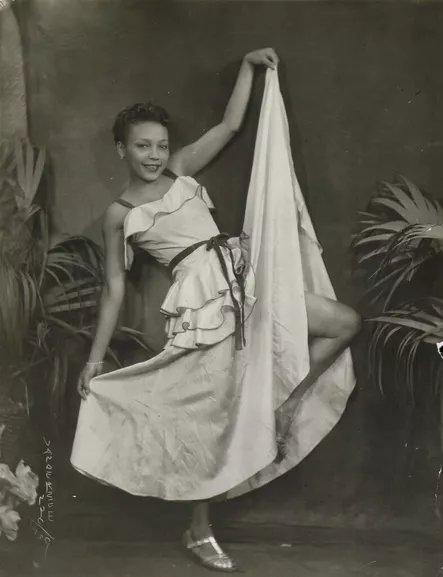
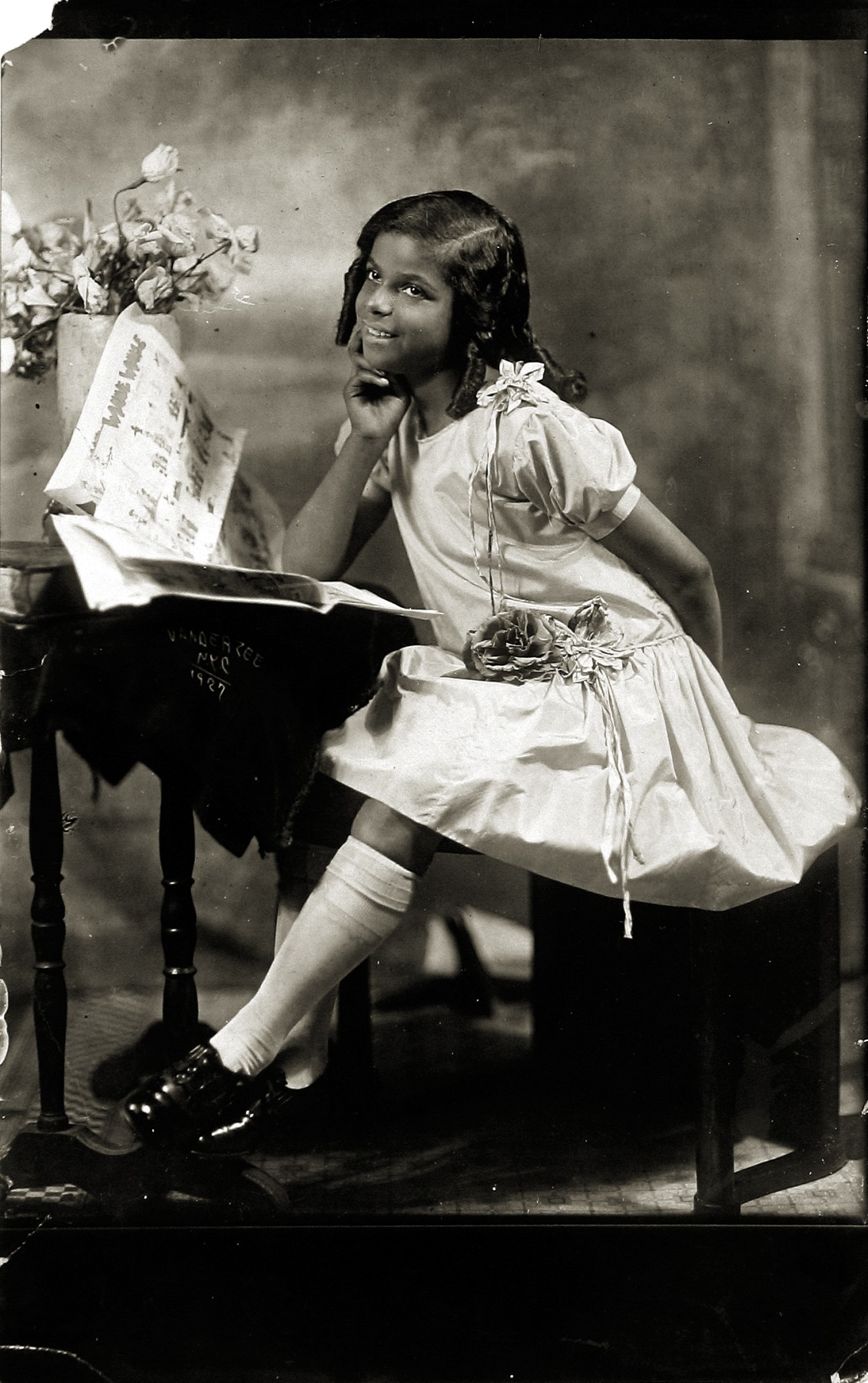
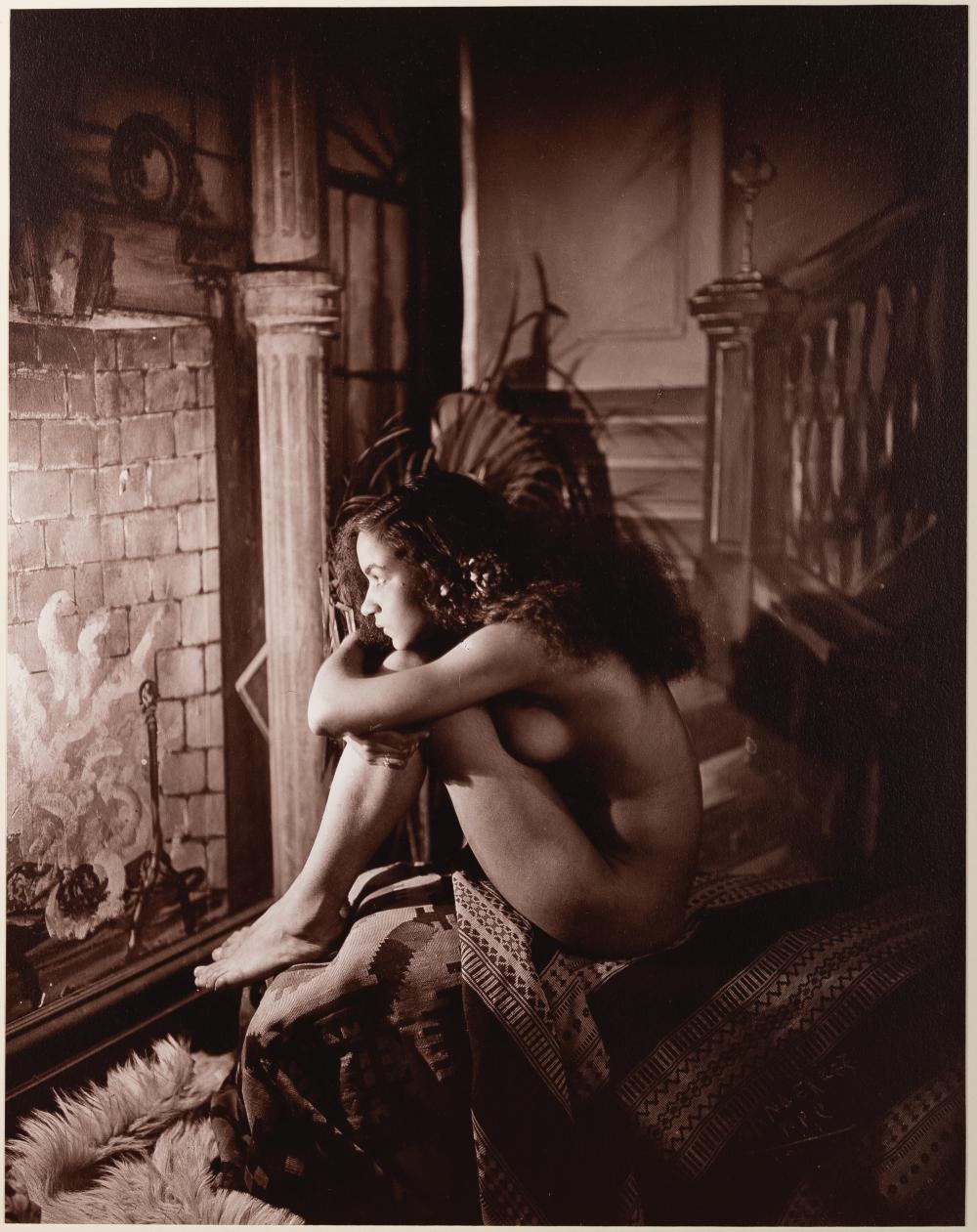
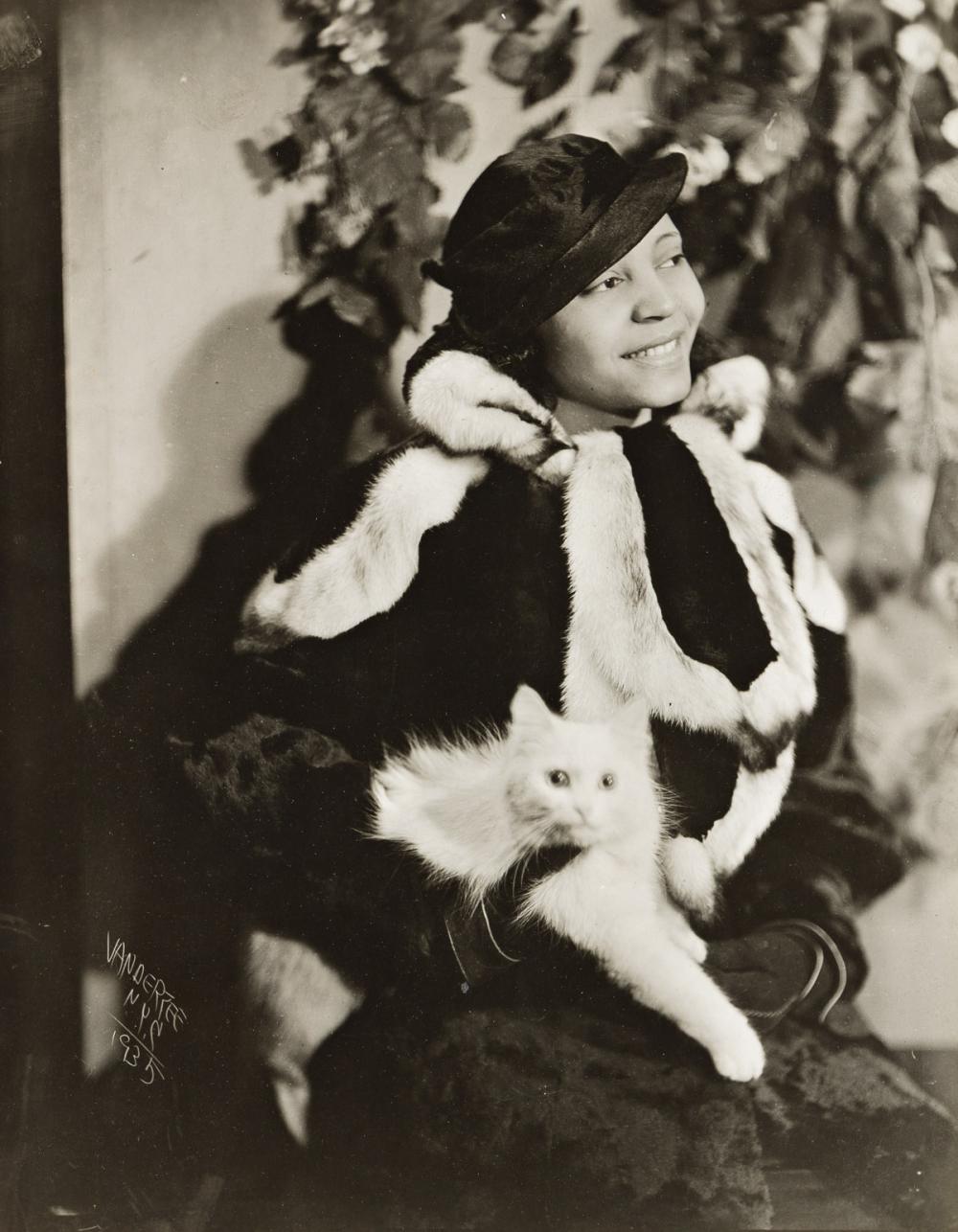
During the 1920s and 1930s, the Harlem Renaissance was in full swing and he produced hundreds of photographs recording Harlem’s growing middle class. He took thousands of pictures, mostly indoor portraits, and labeled each of his photos with a signature and date, which would prove to be important for future documentation. Its residents entrusted the visual documentation of their weddings, funerals, celebrities and sports stars, and social life to his carefully composed images. Quickly Van Der Zee became the most successful photographer in Harlem. Among his many renowned subjects were poet Countee Cullen, dancer Bill (“Bojangles”) Robinson, Florence Mills, Hazel Scott and blues singer Mamie Smith. Although Van Der Zee photographed many Black celebrities, he worked predominantly in the studio and used a variety of props.
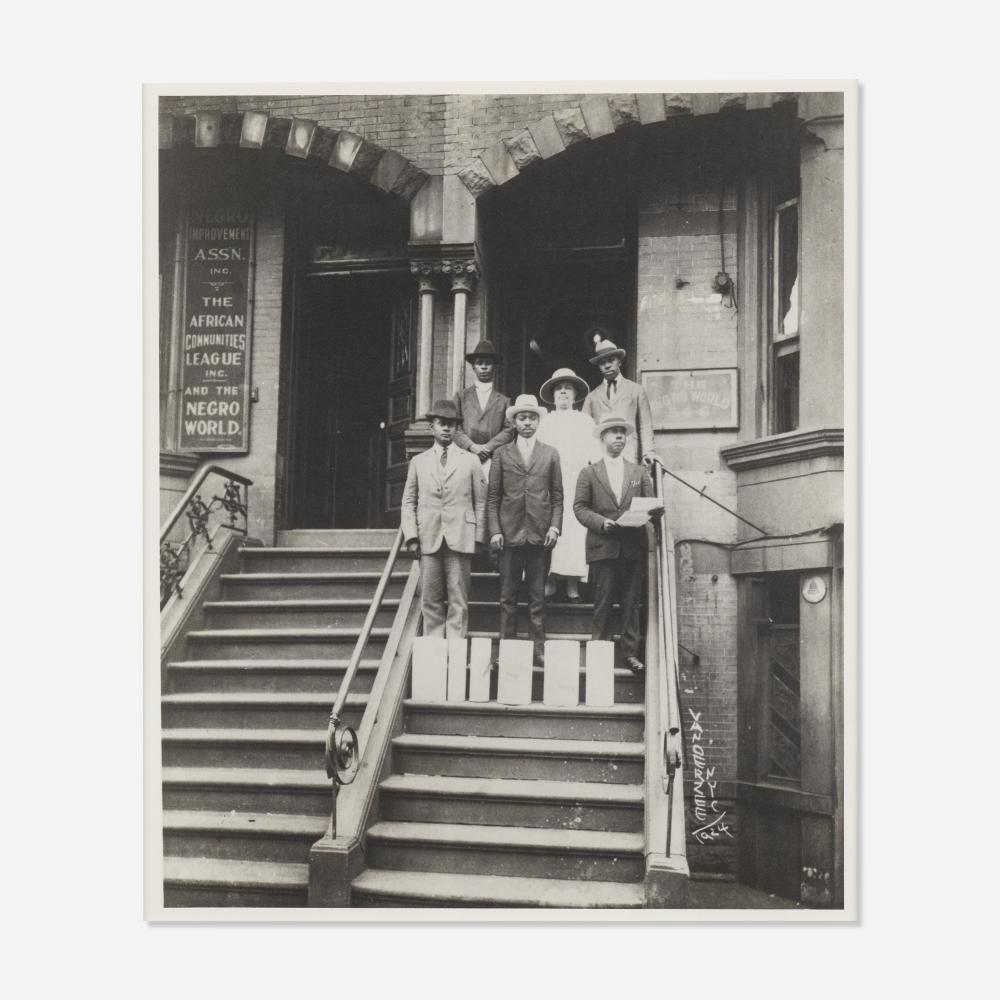
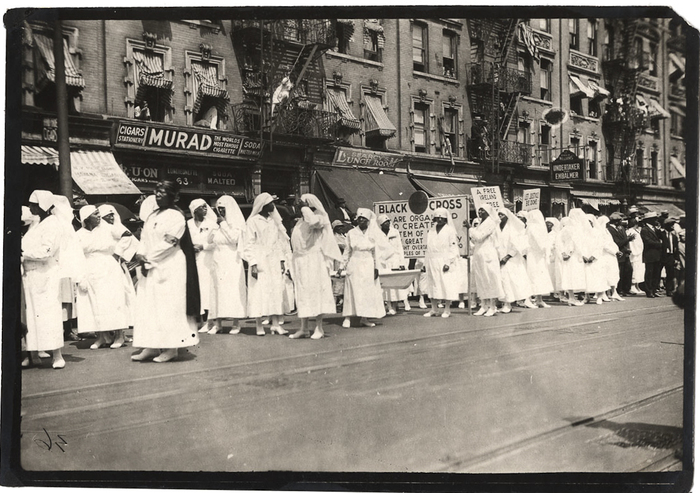
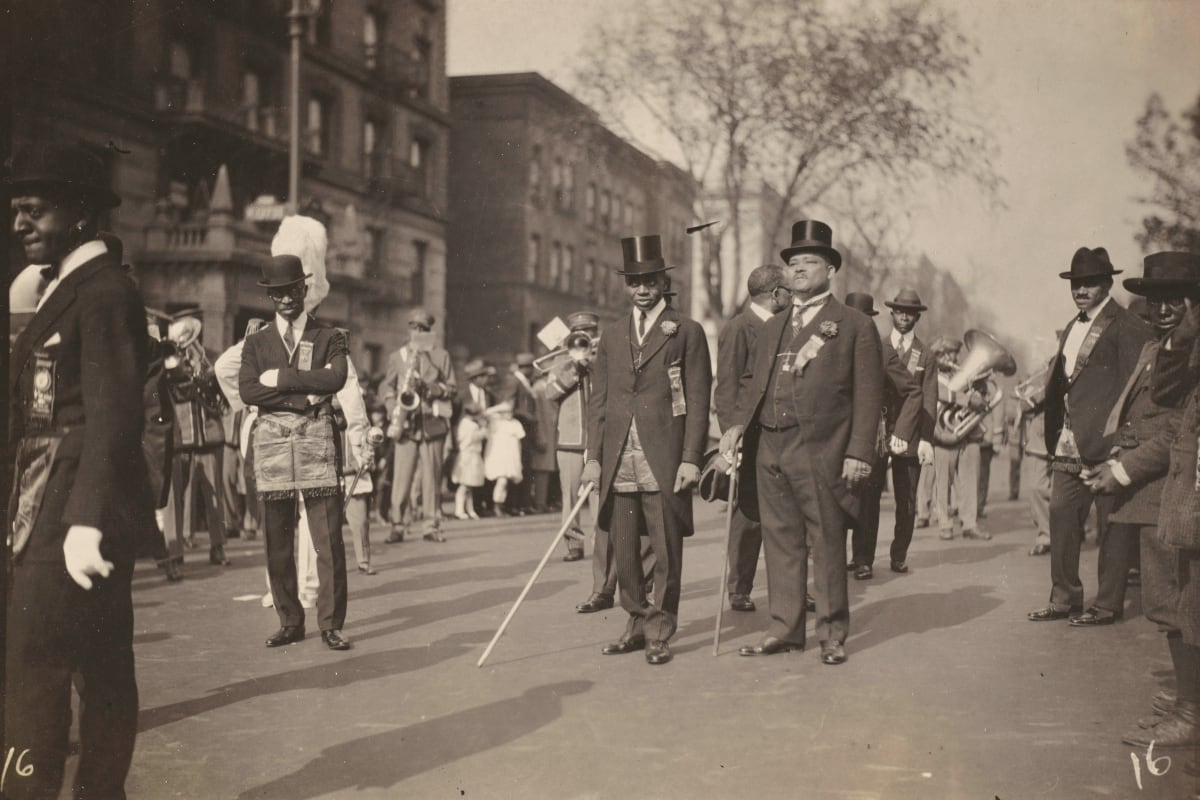
When Marcus Mosiah Garvey, leader of a Pan-Africanist movement that advocated for Black self-determination, was looking for someone to chronicle the life of the Universal Negro Improvement Association (UNIA), he chose James Van Der Zee. Fulfilling Garvey’s wishes, Van Der Zee’s job was to project a positive image of the Association, especially to emphasize the strength and social standing of its membership, the so-called Garveyites. He took thousands of photographs on this assignment, some of which were featured in a calendar issued to members in 1925. Nowhere in Van Der Zee's visual record was there any hint of the controversy surrounding Garvey, when the leader was subject to public interrogation, quarrels with the writer and philosopher W.E.B. Du Bois, and legal proceedings against him on charges of mail fraud.
During the Great Depression, the availability of personal cameras severely lessened the need of professional photography. So the gap was filled by shooting passport photographs and miscellaneous photographic jobs to make a living. After World War II, he survived via commissions and in the field of photo restoration. He did have to move his studio several times, however. Van Der Zee also operated several other businesses, most under Gaynella’s direction, such as renting rooms and gardening. Van Der Zee’s photographs from the Depression era were among his best. By the early 1940s Van Der Zee found it harder to make an income from his work in photography, partly because of the strained economic circumstances of many of his customers. It was also because of the growing popularity of personal cameras reduced the need for professional photography.
To make ends meet, he took photographs wherever he could—including identification photos, autopsy photos, and even photos of car accidents for insurance use. After World War II, his photography studio suffered even more, partially because many people could take their own photographs more cheaply and some people viewed his portraits as old fashioned. Harlem had a large middle class before World War II, but the middle class moved out after the war, leaving many low-income residents behind. Van Der Zee partially made up for the drop in his portrait income by restoring old photographs. Nevertheless, he could not pay his mortgage. The family became destitute as his portrait income disappeared during the 1960’s, though he maintained an alternative business in image restoration and mail order sales.
In 1967 James Van Der Zee’s work was rediscovered by photographer and photo-historian, Reginald McGhee (Van Der Zee was eighty-one years old at the time). McGhee was looking for photographs for a Metropolitan Museum of Art exhibit called “Harlem on My Mind", which showcased life during the Harlem Renaissance in a variety of media. Van Der Zee’s photographs became the nucleus of the exhibition. He eventually received $3,500 for his work and instant national recognition. Nevertheless, soon after the exhibit, the Van Der Zees were evicted from their Harlem residence, and they relocated to the Bronx. His wife, Gaynella died in 1976, and Van Der Zee was reported to be living in squalor and poor health. Art gallery director Donna Mussenden took up his cause, starting to structure his home space and organize public appearances.
James married Donna in 1978 and everything changed. He received attention far beyond his Harlem community. VanDerZee came out of retirement to photograph celebrities who in turn promoted his work in exhibits around the nation. His images were also the subject of books and documentaries. At ninety years old, James created portraits for many celebrities, including Jean-Michel Basquiat, Bill Cosby, Lou Rawls, Cicely Tyson, Lou Rawls, and Muhammad Ali. In 1981, Van Der Zee filed a suit to reclaim more than 50,000 images from the Studio Museum of Harlem, the rights to which he had signed away after his eviction. The case would be settled posthumously, with half of the work being returned to the photographer’s estate, and the remainder being retained by the museum and the James Van Der Zee Institute. He passed away in 1983 at the age of ninety-six.
The National Portrait Gallery exhibited his work as a posthumous tribute to his remarkable genius. Many famous residents of Harlem were among his subjects. In addition to portraits, Van Der Zee photographed organizations, events, and other businesses. Van Der Zee received several accolades upon his return to the spotlight; among his honors, he became a permanent fellow of the Metropolitan Museum of Art and received a Living Legacy Award from President Jimmy Carter in 1978. James Van Der Zee images shared an extraordinary story about the people of Harlem, the quiet beauty of their everyday lives, the grandeur of their hopes and dreams, and their inherent dignity and pride. This was a time when African Americans in the White popular media typically were caricatured and stereotyped. His tens of thousands of photographs illustrated the pride and dignity of African Americans and offered a more realistic depiction of Black culture.