Harlem Renaissance literature encompasses the poetry, fiction, and non-fiction written by Black American writers during the early twentieth century. During the Harlem Renaissance movement, Black authors and poets created work that celebrated Black culture and folklore. Harlem Renaissance writers also openly explored the hardships endured by Black people during slavery as well as during Jim Crow-era segregation in the United States. The writers contributed to the Harlem Renaissance, each in their own unique way.
The authors exemplified the celebratory nature of the Harlem Renaissance. They wrote with a defined voice, showing Black Americans’ diverse lives and challenges. They boldly celebrated their heritage, yet they also confronted unfair judgment and racial bias. Their inspiring work paved the way for modern Black Americans to have a voice in American culture and literature. Most of the Black writers depicted traditional characters yet realistic situations, which reflected their heritage, style, character, and history.
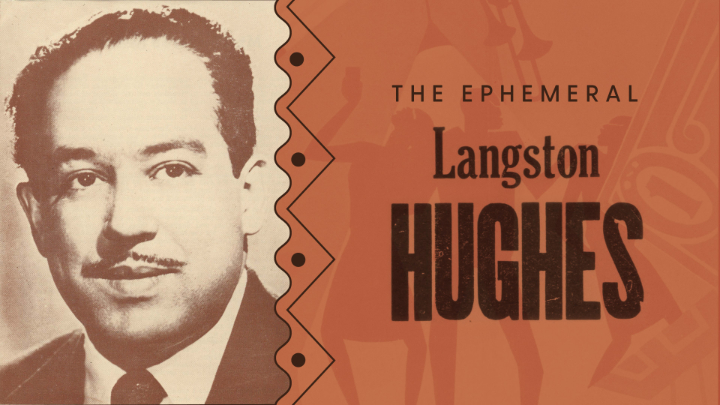
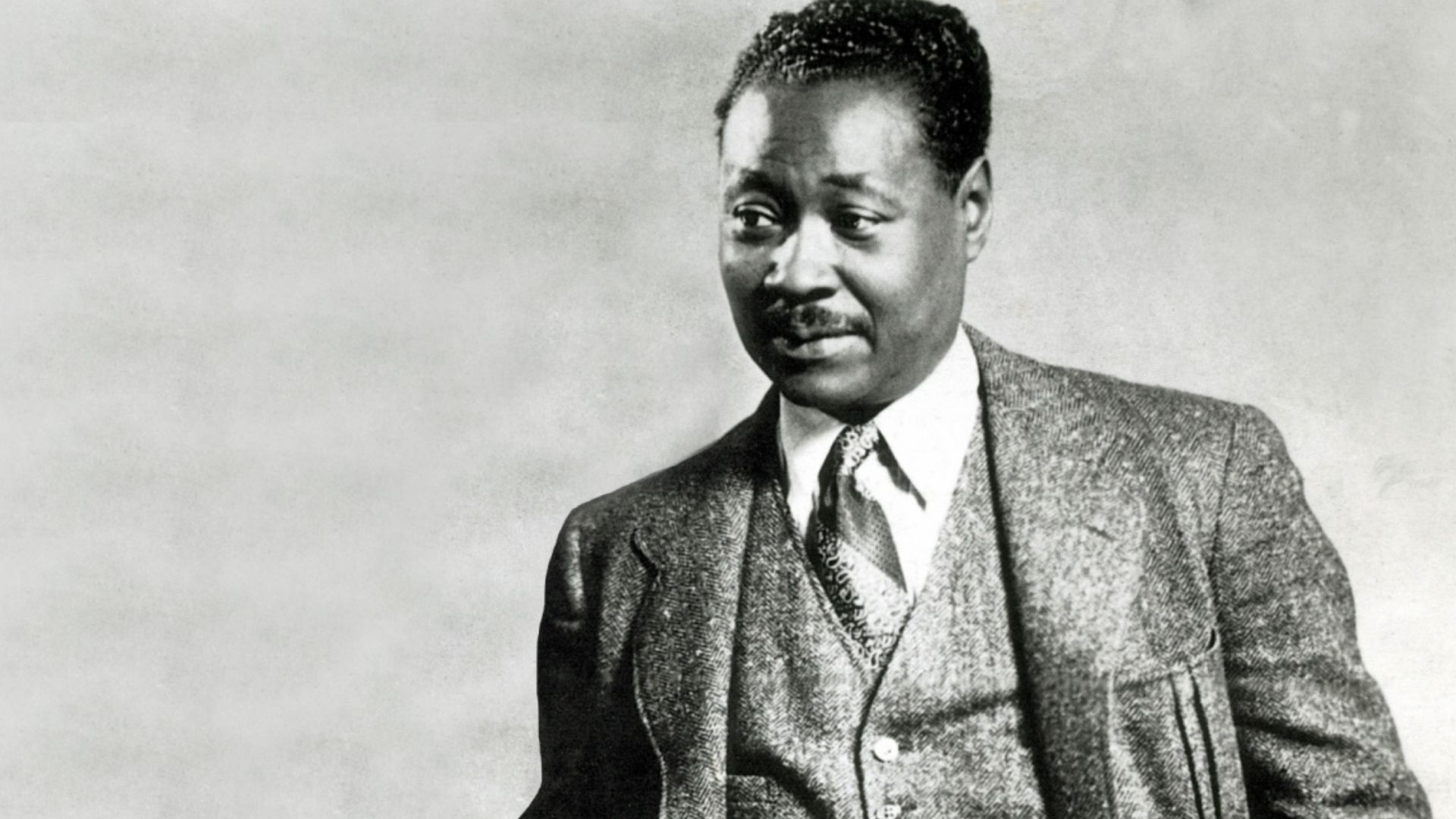
Poetry from the Harlem Renaissance reflected a diversity of forms and subjects that included rich folk traditions as well as conventional American and British literary techniques. Some poets, such as Claude McKay, used culturally European forms—the sonnet was one––melded with a radical message of resistance, as in “If We Must Die.” Others, including Sterling Allen Brown and Langston Hughes, brought specifically Black cultural creations into their work, infusing their poems with the rhythms of ragtime, jazz, and blues.
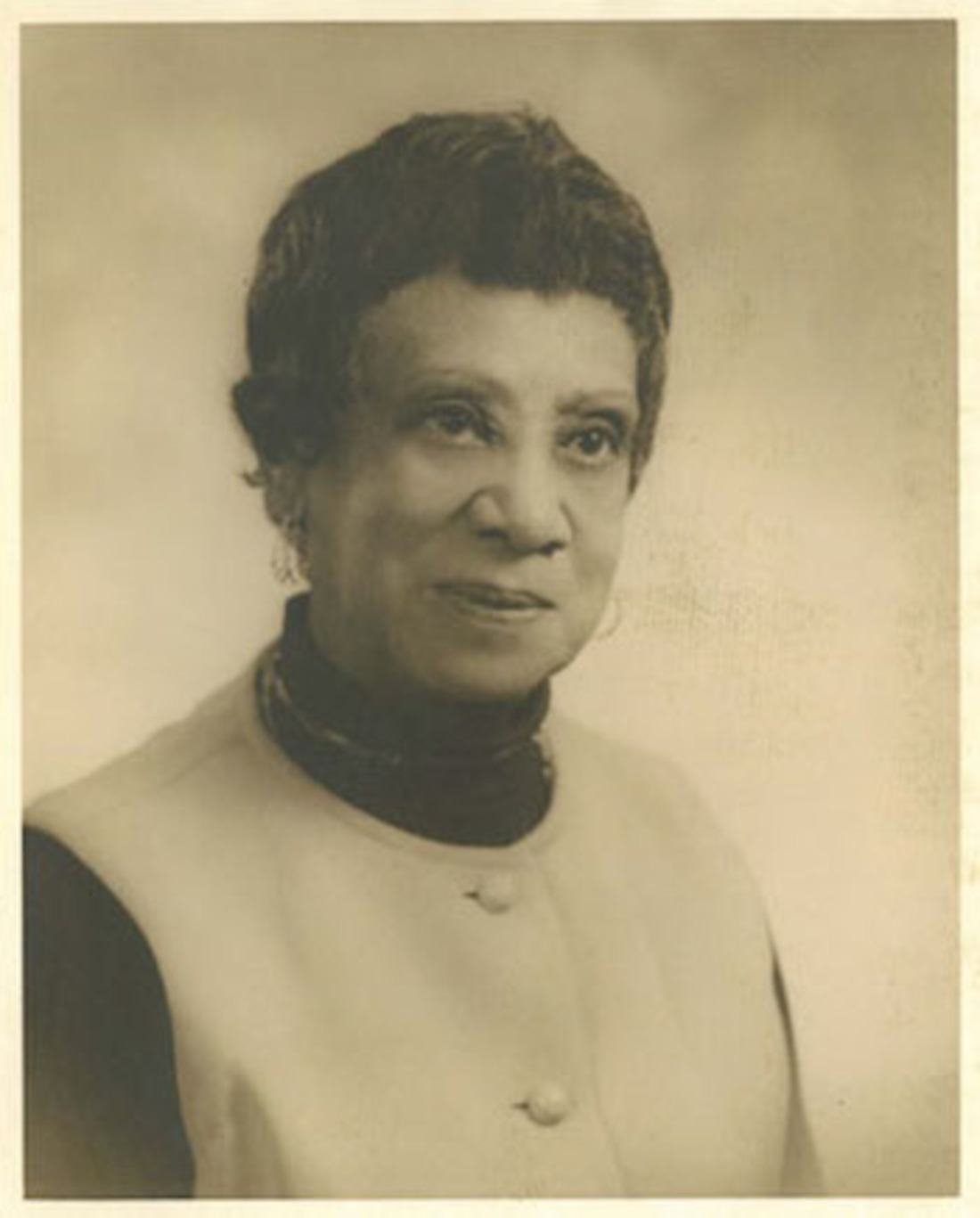
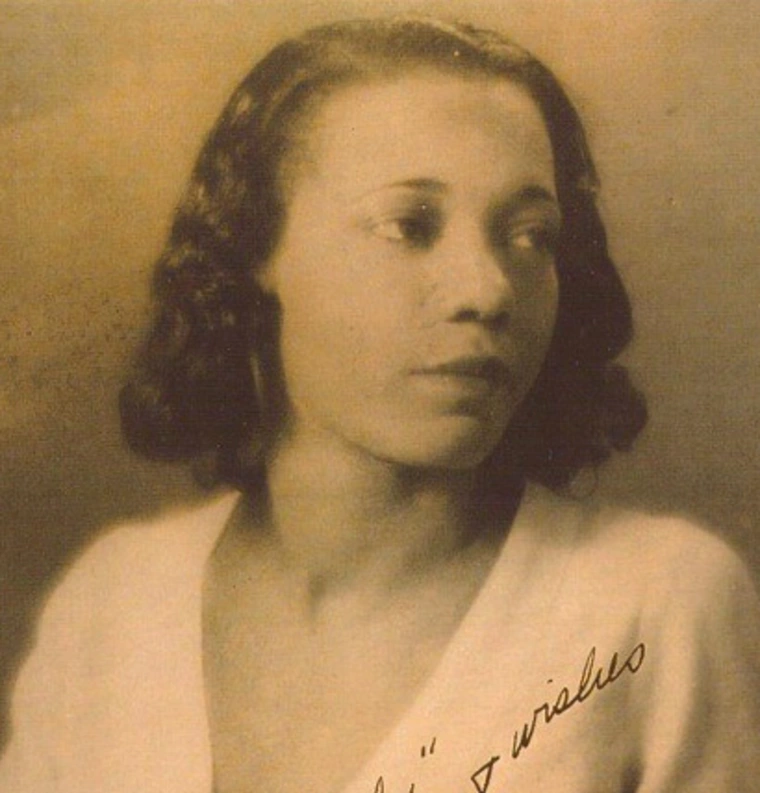
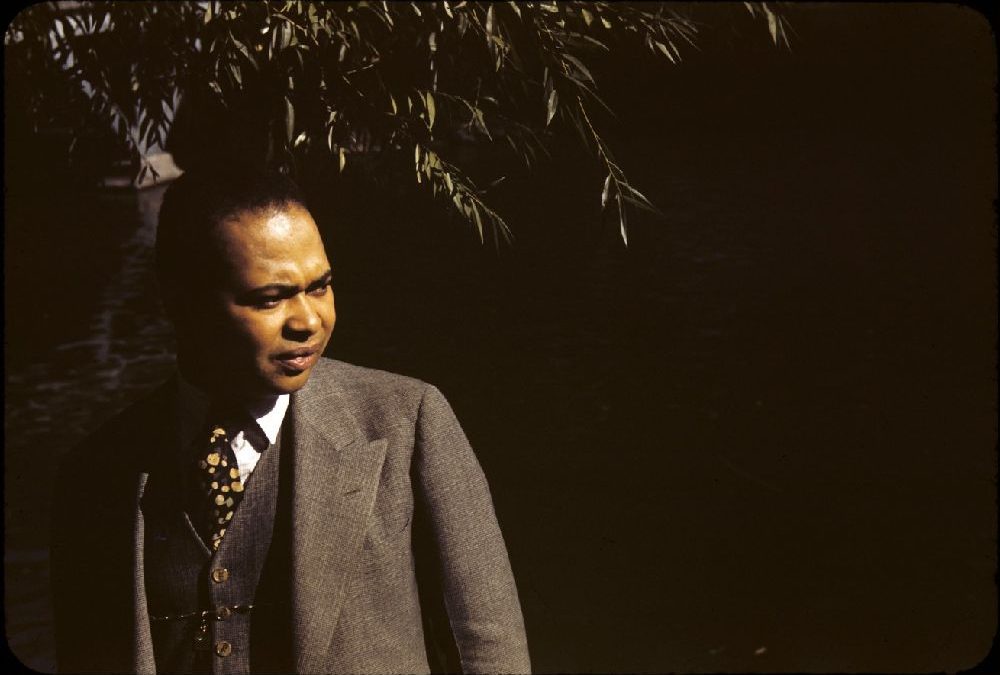
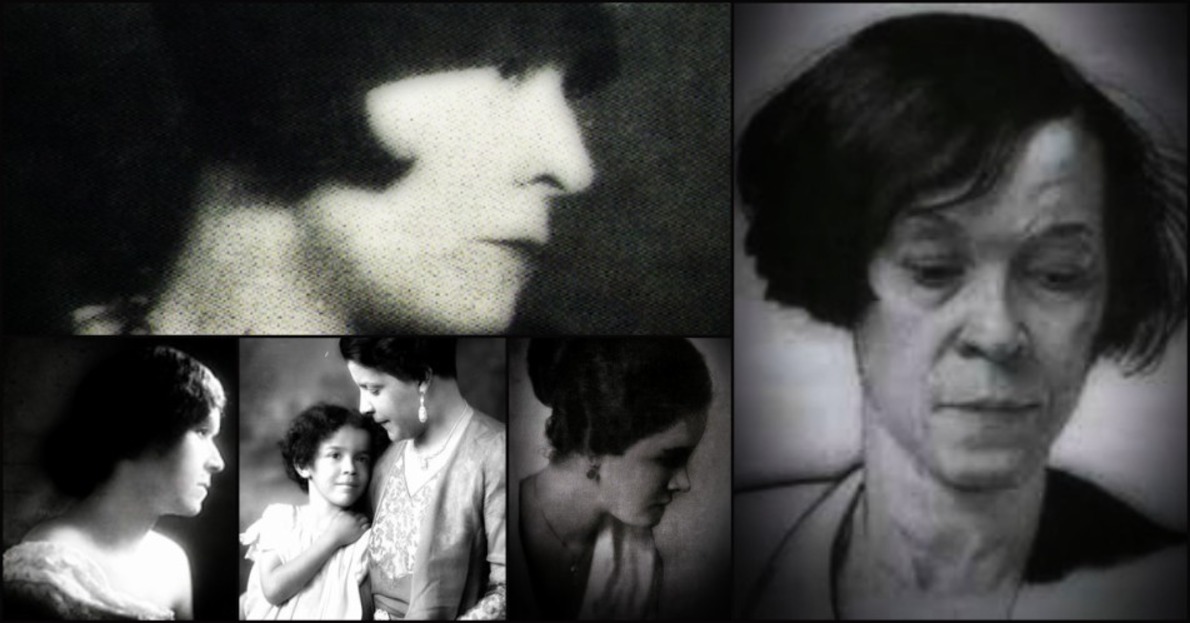
Other major poets of the time included Arna Bontemps, Sterling Brown, Claude McKay, Alice Dunbar-Nelson, Angelina Weld Grimké, and Georgia Douglas Johnson. Claude McKay, born and raised in Jamaica, wrote of the immigrant’s nostalgia and the Black man’s pride and rage. Sterling Allen Brown, for many years a professor at Howard University, emerged in the thirties with sometimes playful, often pessimistic poems in standard English and Black vernacular and in African American and European forms. In many of Brown’s poems, strong men and women resist the oppression of racism, poverty, and fate.
The African American has been articulating their Black identity through poetry for ages, as poetry is considered to be the most condensed, and compact form of literature. African American poetry was basically born during Harlem Renaissance. After the end of the 19th Century, there was a new awakening for Blacks with the beginning of the 20th Century with the 1900’s.